Rare Mutations Found in Ten Families with Early-Onset Alzheimer’s
featured 10138

Although a family history of Alzheimer’s disease is the most important risk factor for this progressive neurological condition, only three genes — the amyloid precursor protein (APP) and presenilins 1 and 2 (PSEN1 and PSEN2) — have been definitively linked as causes of inherited, early-onset Alzheimer’s disease, accounting for roughly half of those familial cases. … Read more

Why People Give Up: The Science and Psychology of Quitting

featured 58301

Summary: Pnoc-expressing neurons in the paranigral ventral tegmental area (pnVTA) become active when mice stop pursuing rewards. Activating these neurons reduces reward-seeking and promotes avoidance. The study shows that nociceptin receptor expression on VTA dopamine neurons is required to restrain reward-seeking behavior. Source: UW Medicine What happens when we give up? A specific group of … Read more

Saliva Biomarkers Reveal When You Are Sleep Deprived

featured 117649

Summary: Researchers have developed the first direct, non-invasive molecular method to objectively detect sleep deprivation in human bodily fluids. In a controlled study, the team followed healthy adult volunteers through three tightly regulated sleep conditions in randomized order. Using high-resolution mass spectrometry coupled with machine learning, they mapped the salivary metabolome and found that acute … Read more

How a Common Virus Triggers Relapses in Multiple Sclerosis (MS)

featured 108100

Summary: New research identifies a direct connection between antibodies formed against the Epstein-Barr virus (EBV) and the onset of multiple sclerosis (MS). Scientists found that antibodies targeting the EBV protein EBNA1 can cross-react with a brain protein called GlialCAM, provoking autoimmune responses that are implicated in MS. The study further shows that specific combinations of … Read more

How Observational Learning Reduces Cognitive Bias

featured 71293

Summary: Observing how others make decisions can help people make better decisions themselves. Source: City University London New research from the Business School (formerly Cass) at City University London finds that watching others make decisions can be an effective way to reduce cognitive biases and improve judgment. Led by Professor Irene Scopelliti, Professor of Marketing … Read more

Parkinson’s Disease: How Cellular Recycling Fails in the Brain

featured 90977

Summary: Researchers have found that Endophilin A1 — a gene linked to higher Parkinson’s disease risk — interferes with the brain’s ability to clear cellular waste by blocking autophagy, the cell’s recycling process. Source: University of Queensland Researchers at the University of Queensland report that a gene associated with increased Parkinson’s disease risk also contributes … Read more

Noninvasive Drug Delivery Across the Blood Brain Barrier

featured 80409

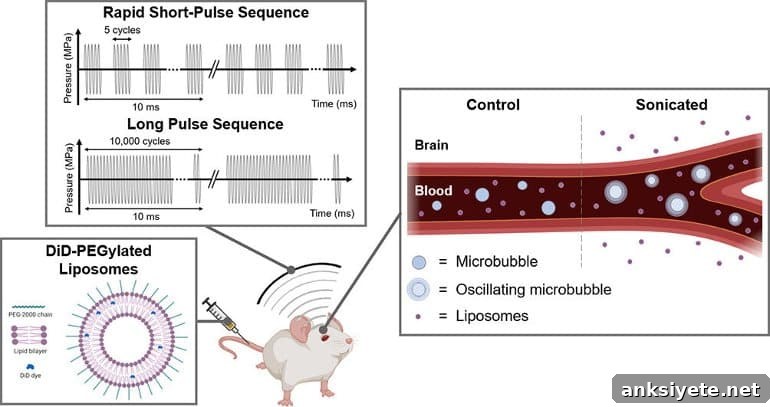
Summary: Applying rapid short pulses of ultrasound can non-invasively deliver liposomes directly to the brain by temporarily opening the blood-brain barrier. Source: King’s College London Researchers from the School of Biomedical Engineering & Imaging Sciences at King’s College London, working with the Noninvasive Surgery & Biopsy Laboratory led by Dr. James Choi at Imperial College … Read more

How Sleep Problems Increase Teen Depression Risk

featured 84339

Summary: Emerging evidence indicates that delayed circadian rhythms and sleep disturbances may precede and contribute to adolescent depression, rather than simply being symptoms that appear afterward. Source: Flinders University New evidence suggests that sleep problems commonly observed in teenagers may be a primary contributor to depression, not merely a consequence. A review led by Flinders … Read more

COVID-19 Could Infect Dopamine-Producing Neurons

featured 99487

Summary: A recent study reports that SARS-CoV-2 can infect midbrain dopamine neurons and trigger cellular senescence, a state in which cells stop dividing and lose normal function. This response in dopaminergic neurons may help explain some persistent neurological symptoms seen after COVID-19 infection—commonly described as long COVID—including brain fog, fatigue and depression. The finding emerged … Read more

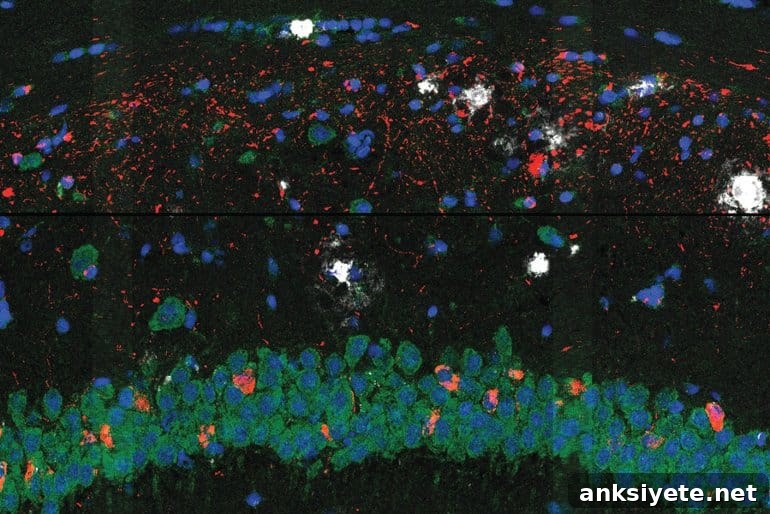
How Brain Cells Change in Alzheimer’s Disease

featured 90408

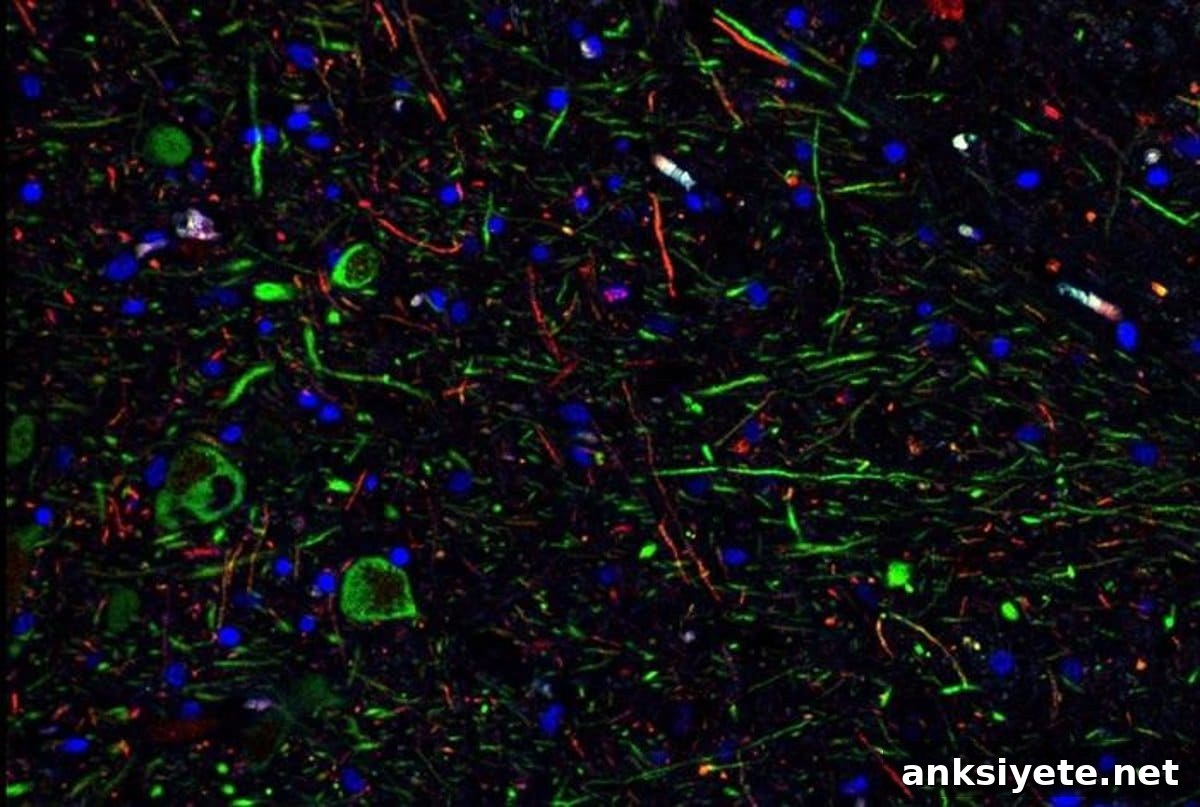
Summary: Researchers used a new technique called STARmap PLUS to track and map changes in tau and amyloid‑β proteins and the surrounding cellular environment as Alzheimer’s disease progresses in a mouse model. Source: MIT Excessive accumulation of two proteins in the brain—tau tangles inside neurons and amyloid‑β plaques outside them—is a hallmark of Alzheimer’s disease. … Read more