Pareidolia: Why Your Brain Sees Faces in Everyday Objects

featured 67164

Summary: Face pareidolia—the tendency to perceive face-like patterns in inanimate objects—is a perceptual effect that arises when visual systems tuned for extracting social information from human faces respond to facelike configurations in the environment. Source: University of New South Wales If you often spot faces in objects—a scowling house, a surprised bowling ball, or a … Read more

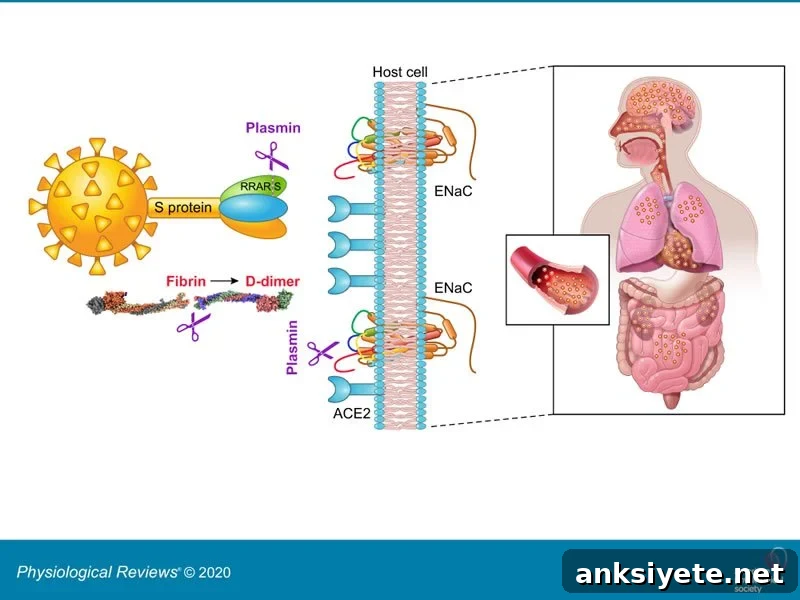
How Oxytocin Shaped Human Social Cooperation

featured 83335

Summary: New genomic analyses illuminate the genetic variations linked to social behavior differences among modern humans, archaic humans, and other primates. Source: University of Barcelona Modern humans are notable for pronounced prosocial traits — empathy, social tolerance, cooperation and altruism — which shape our complex societies. Many aspects of social cognition have been associated with … Read more

Impaired Clotting Linked to Higher COVID-19 Risk

featured 64318

Summary: Higher levels of plasmin — an enzyme that dissolves blood clots — may increase the infectivity and severity of SARS-CoV-2 by cleaving the virus’s spike protein. Elevated plasmin and its precursor plasminogen are common in conditions such as diabetes, hypertension, and cardiovascular disease, potentially explaining why people with these comorbidities face greater risk of … Read more

Study Finds High School IQ Predicts Greater Adult Alcohol Use

featured 105324

Summary: A recent analysis of long-term data finds that higher IQ scores measured in high school are linked to greater odds of moderate or heavy alcohol consumption later in life, while being associated with fewer binge-drinking episodes. Researchers suggest this pattern is partly explained by socioeconomic factors—particularly income—and other social dynamics that often accompany higher … Read more

Kleptomania Reveals Distinct Gaze and Brain Activity Patterns

featured 90800

Summary: People with kleptomania—an uncontrollable urge to steal or shoplift—display distinctive eye movement patterns and altered prefrontal brain activity when exposed to situational cues linked to their behavior. Source: Kyoto University Researchers at Kyoto University report that individuals diagnosed with kleptomania show unique gaze behaviors and prefrontal cortex responses when viewing images and videos that … Read more

Protein Off Switch Controls Memory

featured 49237

Summary: New research indicates that a failure to switch off the Arc protein promptly after learning may impair cognitive flexibility and the ability to retain new information. Source: University of Warwick Researchers identify an essential ‘off‑switch’ for the Arc protein that controls memory, learning and cognitive flexibility A multinational team co‑led by the University of … Read more

Study Finds Exercise Boosts Dopamine Release in Mice

featured 82768

Summary: A mouse study finds that voluntary exercise boosts dopamine signaling in motor regions of the brain. These results offer a potential explanation for why physical activity can relieve motor symptoms in Parkinson’s disease. Source: SfN New research published in Journal of Neuroscience shows that regular voluntary exercise increases dopamine release in motor areas of … Read more

Misophonia: When Chewing Sounds Trigger Intense Reactions

featured 85548

Summary: New fMRI research challenges earlier claims that misophonia arises from an overly sensitive connection between the auditory cortex and orofacial motor areas of the brain. Source: Ohio State University Researchers have, for the first time, mapped the brain regions linked to a less-studied trigger of misophonia—repetitive finger tapping—offering a broader view of how this … Read more

Early Language Genes Link ADHD to Later Brain Development

featured 100384

Summary: A new study explores the genetic foundations of early language development and how those genetic factors relate to later cognitive skills and neurodevelopmental disorders such as ADHD and ASD. Drawing on vocabulary measures from more than 17,000 children who speak English, Danish, or Dutch, researchers examined how genetic variation shapes word production and comprehension … Read more

Why Teens Can’t Quit Their AI Chatbots

featured 116197

Summary: More than half of U.S. teens now regularly use AI companion chatbots. A new Drexel University study warns these digital relationships can become a form of behavioral addiction, with emotional dependence that disrupts daily life. Researchers analyzed more than 300 Reddit posts written by users who identified as 13 to 17 years old. What … Read more