
Summary: An international precision neuropharmacology and immunology initiative has received funding to investigate a new therapeutic approach for chronic neuropathic pain. The multinational RESOLVE project, funded at €1,191,123.20, will examine whether tiny, naturally secreted extracellular particles from stem cells can reduce persistent neural inflammation and thereby address the underlying biology that sustains long-term pain.
Instead of relying on conventional palliative drugs that mainly blunt the sensory experience of pain, this effort will explore how stem-cell-derived nano-messengers might reprogram the cellular and immune environment around damaged nerves to resolve the chronic inflammatory state that perpetuates neuropathic pain.
Key Facts
- The limits of current palliative care: Chronic nerve pain remains one of the most difficult clinical problems to treat effectively over the long term. Existing medications typically mask symptoms or dampen nerve signaling without correcting the biological processes—specifically sustained local inflammation—that maintain heightened pain sensitivity.
- RESOLVE consortium and funding: The RESOLVE project brings together five partner institutions across Germany, Lithuania, Romania and Croatia under a total budget of €1,191,123.20. The initiative is led by Dr Maria Maiarú in collaboration with Professor Darius Widera and Dr Graeme Cottrell from the University of Reading’s School of Pharmacy.
- Stem-cell-derived nano-messengers: Stem cells naturally release microscopic extracellular particles—often referred to as extracellular vesicles or nano-messengers—that carry proteins, lipids and other molecular signals. These particles are known to influence surrounding cells and to modulate immune responses in ways that can be anti-inflammatory.
- Targeting persistent neuroinflammation: The core hypothesis of RESOLVE is that these naturally produced particles can be used to dampen or dismantle the chronic, localized inflammation that drives long-lasting neuropathic pain. The project will test whether applying or harnessing these particles can shift the local tissue environment from a perpetually inflamed, hyper-sensitized state toward a healthier baseline.
- A biological reset rather than a temporary block: Rather than providing only a transient blockade of pain signals, the proposed strategy is to interrupt the pathological feedback loops that sustain nerve sensitization. In this model, stem-cell-derived particles would actively reprogram immune and neural interactions so pathological signaling ceases to be self-perpetuating.
- Precision patient stratification: RESOLVE integrates laboratory models, in vivo animal studies and human clinical pathology. The team will analyze blood samples from 128 patients with neuropathic pain to identify biochemical signatures and biomarkers. This profiling aims to enable precision medicine—matching the stem-cell-derived therapy to the patients most likely to benefit.
Source: University of Reading
Overview
A University of Reading research team has been awarded funding to investigate whether microscopic particles produced by stem cells could form the basis of a new treatment for chronic nerve pain. Led by Dr Maria Maiarú and working with Professor Darius Widera and Dr Graeme Cottrell at the School of Pharmacy, the RESOLVE project will run coordinated preclinical and clinical studies to evaluate safety, mechanism and patient-specific predictors of response.
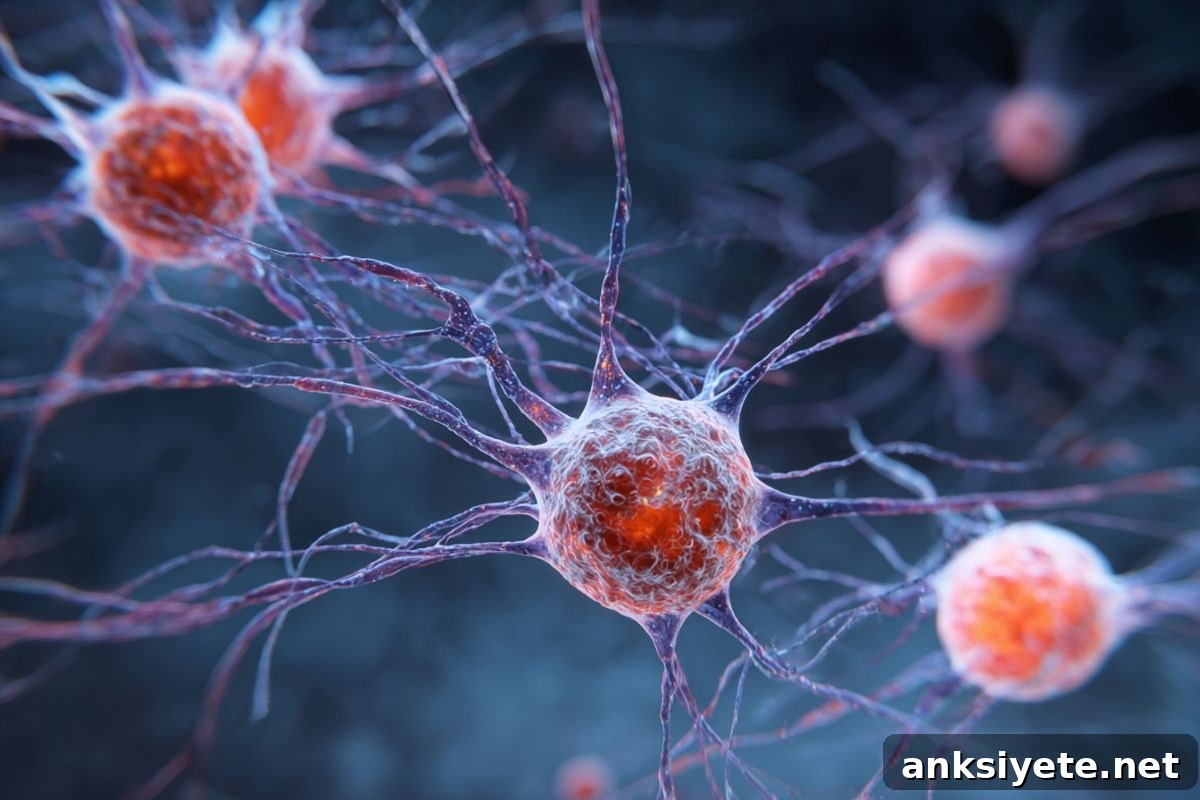
Stem cells communicate with other cells by releasing tiny extracellular particles that deliver molecular instructions. These nano-messengers have been observed to produce anti-inflammatory effects in multiple biological contexts, making them an attractive candidate for therapies aimed at resolving pathological immune activation near damaged nerves.
Dr Maiarú commented that chronic nerve pain is exceptionally challenging to treat and that many patients currently lack effective long-term options. The RESOLVE approach is designed to offer a fundamentally different therapeutic paradigm—one that seeks to reset the pathophysiology of chronic pain rather than merely masking symptoms.
The consortium includes collaborators across Germany, Lithuania, Romania and Croatia. With an international budget of €1,191,123.20 shared by five partners, the program combines laboratory research, animal experiments and biomarker-driven human sampling to prepare the ground for later clinical translation.
Alongside preclinical testing, the researchers will analyze blood samples from a cohort of 128 patients with neuropathic pain. The goal is to identify molecular patterns that predict which individuals are most likely to respond to stem-cell-derived particle therapies, supporting a precision-medicine pathway that avoids one-size-fits-all treatments.
Key Questions Answered:
A: Most modern pain medications act as temporary sensory shields: they numb or block the electrical signals that convey pain but do not address the root cause. Chronic neuropathic pain is often sustained by a persistent, localized inflammatory state that keeps nerve endings damaged and hyper-sensitized. Treating the inflammatory drivers, rather than only the symptoms, is necessary to produce lasting resolution.
A: Stem cells naturally secrete extracellular particles that carry molecular instructions to surrounding tissues. These particles can modulate immune cell behavior and cellular signaling. By directing anti-inflammatory and regulatory signals to the sites of nerve injury, the nano-messengers could reduce local inflammation and interrupt the feedback loops that sustain pain, effectively re-establishing normal tissue function and reducing chronic sensitivity.
A: Chronic nerve pain varies widely across individuals. By profiling blood samples from a sizeable, well-characterized cohort, the RESOLVE team aims to identify biomarkers and chemical patterns that distinguish likely responders from non-responders. These data will help build diagnostic tools and stratification criteria so future treatments can be targeted to patients whose biological profiles indicate the greatest chance of benefit.
Editorial Notes:
- This article was edited by a Neuroscience News editor.
- The underlying journal paper was reviewed in full.
- Additional explanatory context was added by editorial staff to clarify methods and implications.
About this genetics and pain research news
Author: Ollie Sirrell
Source: University of Reading
Contact: Ollie Sirrell – University of Reading
Image credit: Neuroscience News