Brain-Inspired AI Reveals Neuroscience Insights

featured 54914

Summary: Researchers have developed a deep learning system that predicts, with high accuracy, how different regions of the human brain respond to individual words. The model also reveals that representations in auditory cortex depend less on surrounding context than representations in higher-level language regions. Source: UT Austin, Texas Advanced Computing Center Can artificial intelligence help … Read more

How Regular Tea Drinking Improves Brain Efficiency

featured 60035

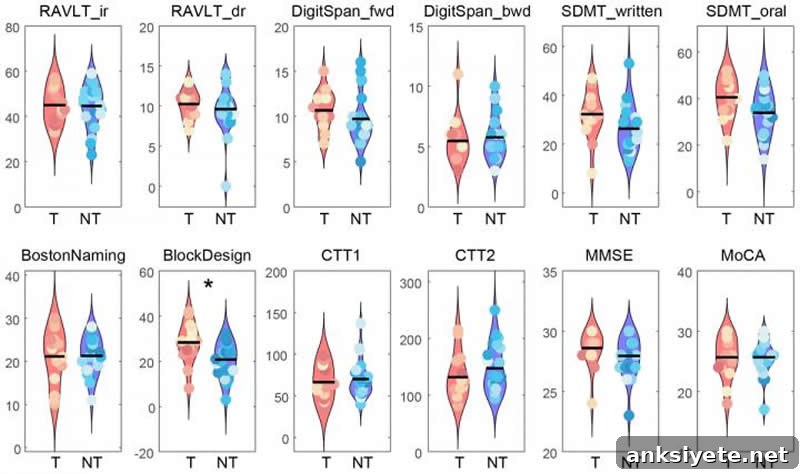
Summary: Regular tea drinking was linked with more efficient brain structural connectivity and stronger functional connectivity within the default mode network. The results indicate that habitual tea consumption may support brain organization and help protect against age-related decline. Source: Impact Journals Overview: Researchers recruited healthy older adults and divided them into two groups based on … Read more

Keto or Atkins Low-Carb Diet May Improve Older Adults’ Cognition

featured 57507

Summary: A small pilot study suggests that adults with mild cognitive impairment may experience improved brain function and memory after switching to a high-fat, low-carbohydrate diet. Source: Johns Hopkins Medicine In a small pilot trial involving older adults with mild cognitive changes that can precede Alzheimer’s disease, researchers at Johns Hopkins Medicine report that a … Read more

What Happens in the Body During Stress: New Insights

featured 75000

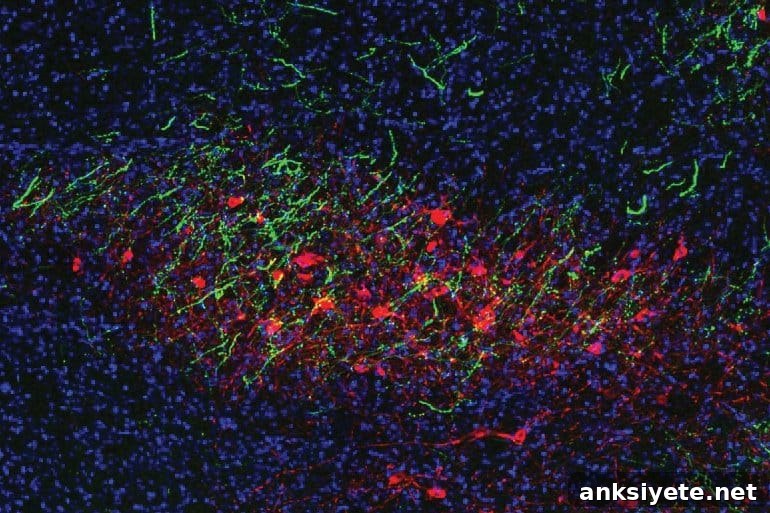
Summary: New research clarifies how three proteins coordinate the brain’s response to stress in the hippocampus and highlights potential targets for treating stress-related psychiatric conditions. Source: McLean Hospital Understanding the biological mechanisms that underlie stress-related mental health disorders—such as major depressive disorder and post-traumatic stress disorder (PTSD)—remains a critical challenge in neuroscience and psychiatry. An … Read more

Daytime Eating Linked to Improved Mental Health

featured 86180

Summary: When you eat may influence symptoms of depression and anxiety, according to a controlled laboratory study. Source: Brigham and Women’s Hospital Meal timing appears to influence mood vulnerability. A controlled study by investigators at Brigham and Women’s Hospital examined whether eating only during the daytime versus eating during both day and night changes levels … Read more

Social Cues That Signal Safety

featured 67402

Summary: New research reveals how fruit flies use the movement of others as a social safety cue and identifies neural mechanisms that underlie freezing and the decision to resume activity. Source: Champalimaud Center for the Unknown Across animal groups—from schools of fish and herds of antelope to human crowds—one clear advantage of grouping is increased … Read more

Extrachromosomal Noncoding DNA May Drive Glioblastoma

featured 60676

Summary: Extra copies of DNA carried with amplified oncogenes are essential for sustaining oncogene activation and enabling cancer cell survival. Source: UCSD Researchers have found that one way an oncogene gains the power to transform a normal cell into a cancer cell is by copying itself repeatedly. These amplified oncogene copies often include additional stretches … Read more

Pregnancy May Delay Multiple Sclerosis Symptoms by Three Years

featured 68074

Summary: Women who have experienced pregnancy were diagnosed with their first multiple sclerosis symptoms an average of 3.3 years later than women with MS who had never been pregnant. Source: Monash University An international, multicenter study led by researchers at Monash University provides strong evidence that pregnancy is associated with a significant delay in the … Read more

Gender Gap in Teen Depression Emerges at 12

featured 40359

Summary: A large meta-analysis finds that gender differences in depression — both in diagnoses and reported symptoms — appear by age 12 and peak during adolescence. Source: University of Wisconsin–Madison Gender Differences in Depression Emerge by Age 12, Large Meta-Analysis Finds A comprehensive analysis of existing studies covering more than 3.5 million people in over … Read more

How the Brain Regulates Motivation and Drive

featured 79344

Summary: New mouse research identifies neurons in the anterior insular cortex that drive motivational vigor, shedding light on brain mechanisms that could be relevant to conditions such as depression. Source: CSHL Motivation is commonly diminished in depressive disorders. Researchers at Cold Spring Harbor Laboratory (CSHL), led by Professor Bo Li in collaboration with Adjunct Professor … Read more