Study Finds Burnout Symptoms in Sweat

featured 71023

Summary: A new wearable sensor can continuously measure cortisol levels in a person’s sweat. Source: EPFL Stress is a universal experience, but until now clinicians and researchers have had limited tools to quantify it objectively. Engineers at EPFL’s Nanoelectronic Devices Laboratory (Nanolab), in collaboration with Xsensio, have developed a wearable sensor that measures cortisol—the primary … Read more
Brain Cells Multitasking in One Region May Unlock Brain Function

featured 9196

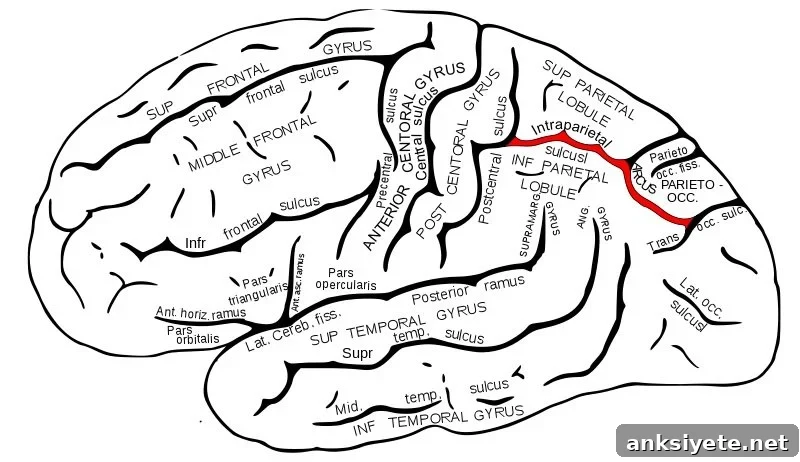
A region of the brain long associated with visual and spatial processing also helps sort visual information into meaningful categories, a new study from the University of Chicago reports. Primates excel at organizing visual input into familiar groups—such as fruit versus vegetables—and at directing attention and movements to specific locations in a scene. The new … Read more

Chronic Adversity Reduces Dopamine Production

featured 60493

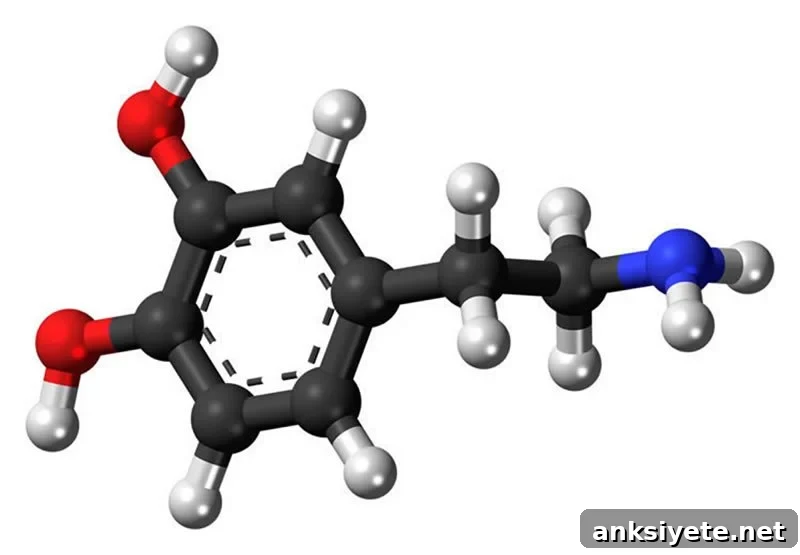
Summary: Long-term exposure to psychosocial adversity appears to reduce the brain’s ability to produce dopamine in response to acute stress, which may contribute to increased vulnerability to mental illness and addiction. Source: eLife Key finding: People who have experienced sustained psychosocial adversity across their lives may be less able to mount a normal dopaminergic response … Read more

ADHD in Preschoolers: Tantrums and Emotional Struggles Explained

featured 106438

Summary: A large longitudinal study finds that preschool children who are slower to develop emotion regulation skills are more likely to show symptoms of attention deficit hyperactivity disorder (ADHD), internalizing problems (such as sadness and anxiety), and conduct difficulties by age seven. The research, based on nearly 19,000 participants, suggests that early monitoring of emotional … Read more

Study Finds Brain Differences Between Boys and Girls with Autism

featured 102462

Summary: Researchers at UC Davis report clear sex-specific differences in cortical development between autistic boys and girls aged 2–13. The study shows that autistic girls tend to have a thicker cortex around age 3 and then experience faster cortical thinning through middle childhood compared with autistic boys. These biological differences, alongside underdiagnosis, help explain the … Read more

First Mutant Ants Reveal Evolution of Social Behavior

featured 42750

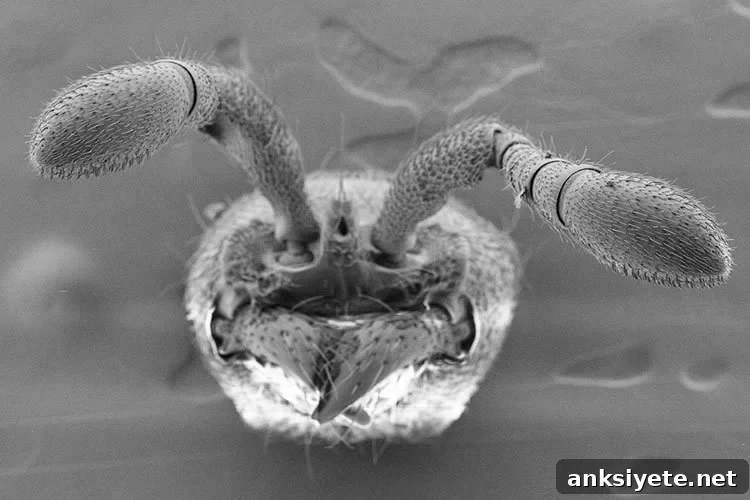
Summary: Disabling the gene required for detecting pheromones in ants produced dramatic deficits in social behavior and reduced survival in a colony, revealing key genetic contributions to social evolution. Source: Rockefeller University. Ant societies are highly coordinated. Individual workers perform distinct roles—foraging, defense, brood care, nest construction—and rely on precise communication to keep the colony … Read more

AI Maps Brain’s Hidden Bridge, Links Genes to Mental Illness

featured 113718

Summary: For the first time, researchers have produced a genetic blueprint of the corpus callosum—the primary communication bridge that connects the left and right hemispheres of the human brain—by combining artificial intelligence with MRI and genetic data from more than 50,000 individuals. The study identified dozens of genomic regions that influence the corpus callosum’s size … Read more

Study: Eye Movements Reveal Memories People Do Not Report

featured 112900

Summary: A recent study shows that eye movements reveal memory traces even when people say they do not remember. Participants rewatched short animation clips with surprising events, and their gaze naturally shifted toward the location where the surprise would occur—evidence that the moment was stored in memory despite a lack of verbal acknowledgment. This nonverbal … Read more

Is Xanax Effective? New Research Raises Concerns

featured 97667

Summary: New analyses of both published and unpublished clinical trials show notable discrepancies in the apparent effectiveness of alprazolam extended-release (Xanax XR), a commonly prescribed benzodiazepine sedative. Researchers report that publication bias may have substantially overstated the drug’s benefit for panic disorder. A review of the five randomized controlled trials submitted to the U.S. Food … Read more

Gut Microbiome in Huntington’s Disease Identified as Drug Target

featured 66950

Summary: New clinical research finds evidence of gut dysbiosis in people with Huntington’s disease. Several gut microbiome measures correlated with motor and cognitive symptoms, suggesting the gut could be a target for future treatments or a marker for disease progression. Source: Monash University Groundbreaking clinical research into the gut microbiome of people with Huntington’s disease … Read more