Researchers Reveal Structure Behind Nature’s Tiny Motor
featured 19720

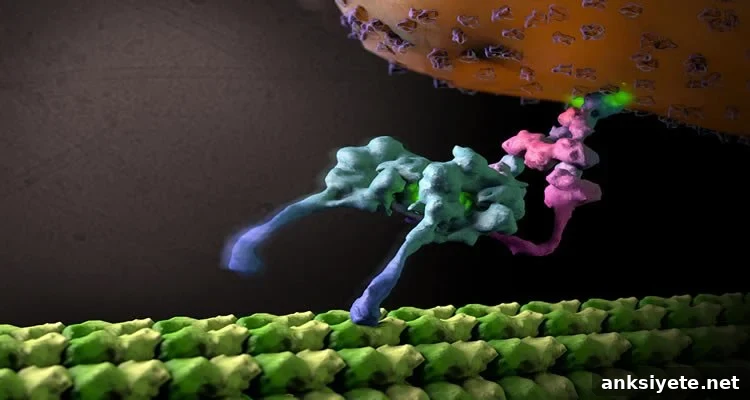
Findings could help shed light on Alzheimer’s, Parkinson’s, ALS and other diseases. A research team led by scientists at The Scripps Research Institute (TSRI) has revealed the first complete structural view of a crucial cellular motor that transports cargo and performs essential tasks inside cells. The work clarifies how the dynein-dynactin complex is organized and … Read more

Study Identifies Autism-Linked Protein That Shapes Brain Synapses

featured 18928

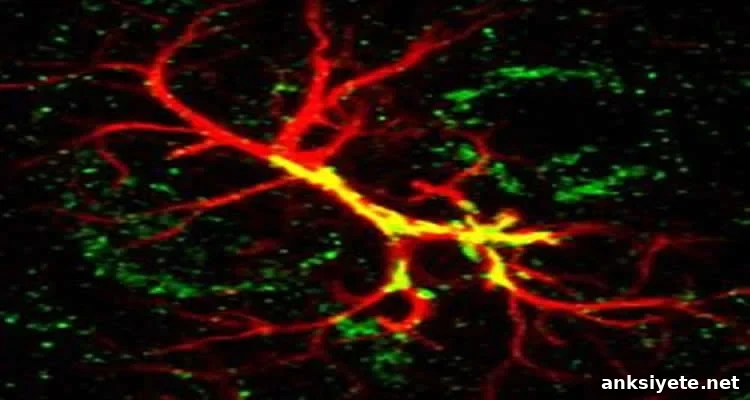
Neuroscientists detect hevin in the newborn brain In the days and weeks after birth, the human brain grows quickly as it adapts to a world of new sensory experiences. During this critical developmental window, neurons compete to form stable connections called synapses. A team of researchers at Duke University has now provided a detailed look … Read more

Weekly Seafood May Slow Memory Loss and Cognitive Decline

featured 30663

Eating seafood or other foods rich in omega-3 fatty acids at least once a week may help protect older adults from age-related memory loss and declines in some thinking abilities, according to researchers from Rush University Medical Center and Wageningen University in the Netherlands. The findings, published in the May 4 online issue of the … Read more

Memento Shows How the Brain Reconstructs Events from Clues

featured 46901

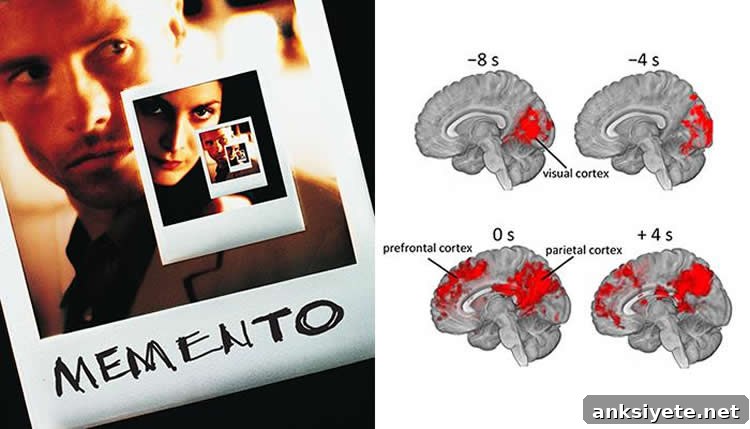
How the Film Memento Reveals the Brain’s Memory and Narrative Processing Summary: Researchers used Christopher Nolan’s film Memento to reveal how the brain uses repeated cues to reconstruct and connect memories, offering insight into memory processes and narrative understanding. Source: Aalto University Key repeated scenes in the film provide viewers with the information needed to … Read more

Immune System Changes That Boost Longevity

featured 66290

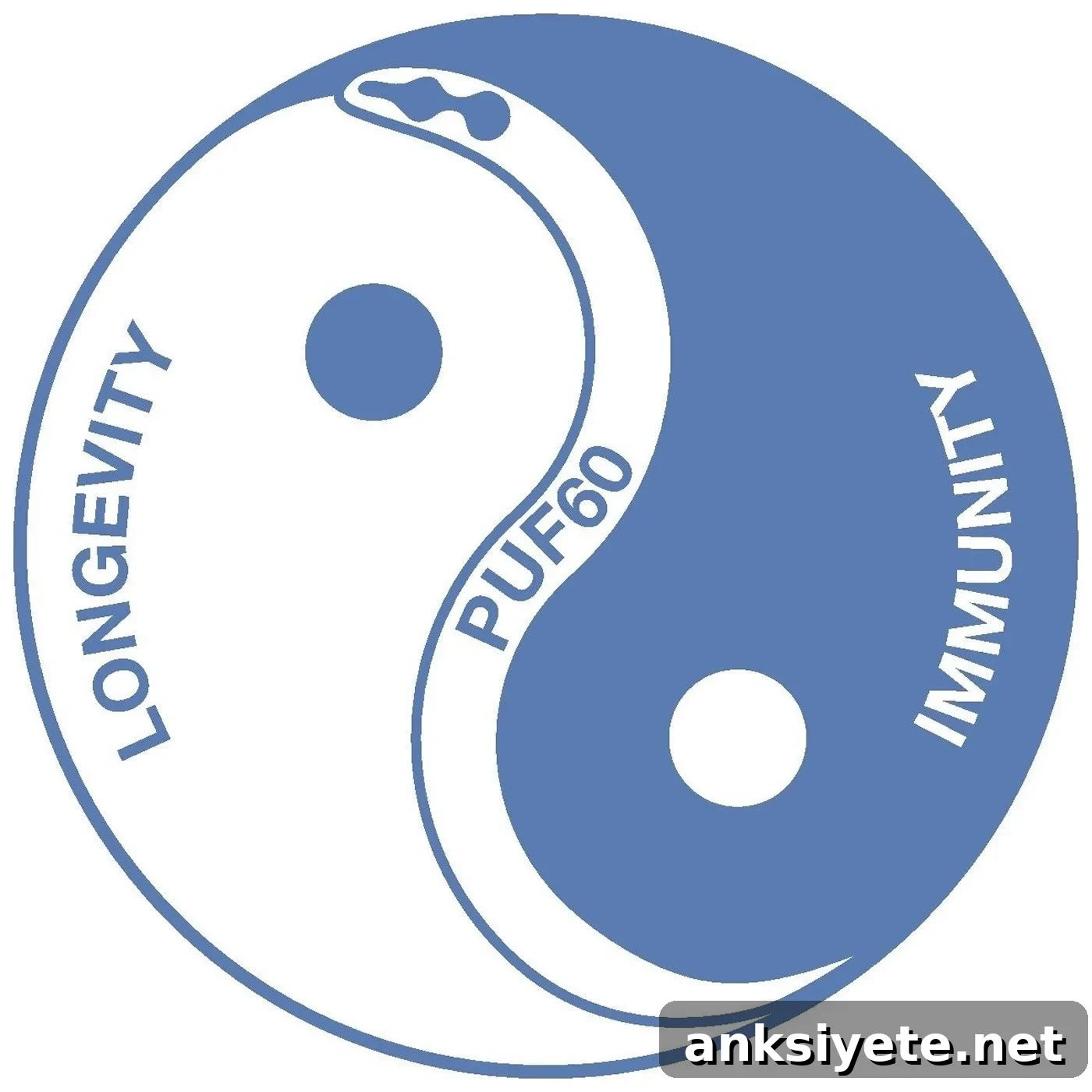
Summary: New evidence indicates that increased inflammation accelerates the biological aging process. These findings point to a delicate balance between keeping the immune system active and preserving longevity. Source: Max Planck Institute As organisms age, the immune system gradually loses efficiency. One prominent feature of this decline is a state of chronic, low-grade inflammation commonly … Read more

Multiple Sclerosis Drug Shows Promise in Reversing Disability

featured 35121

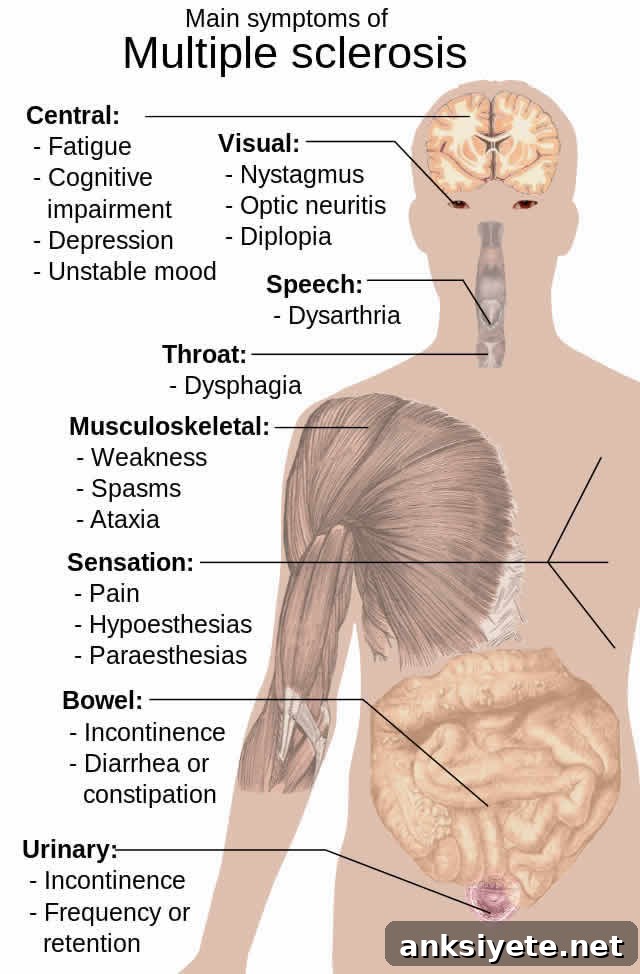
Alemtuzumab May Reverse Some Physical Disability in Relapsing-Remitting Multiple Sclerosis Summary: New research suggests that alemtuzumab, a drug used to treat multiple sclerosis (MS), can reverse some existing physical disability in people with relapsing-remitting MS when used relatively early in the disease course. The benefits must be weighed against known risks, including rare but serious … Read more

Why Some People Hear Speech Better in Noisy Environments

featured 110762

Summary: A large international replication study shows that people vary widely in their ability to detect sounds in noisy environments, and that this sensitivity is influenced by the sounds immediately preceding the target. By reproducing a decade-old experiment across 25 laboratories in 10 countries with 149 participants, researchers confirmed the original finding and clarified conditions … Read more

Orphanage Care Linked to Thinner Cortex in ADHD Regions

featured 17277

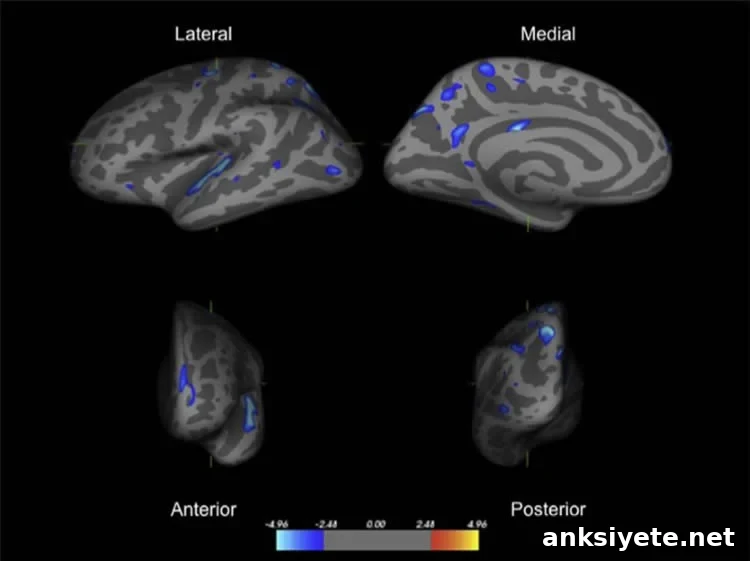
Under Nicolae Ceausescu’s dictatorship, thousands of Romanian children were placed in overcrowded orphanages where conditions were bleak and human contact was minimal. Even after the 1989 revolution, the effects of prolonged institutionalization persisted. Only in recent years, as research and public concern about early childhood environments have grown, have policies and practices begun to change. … Read more

Connectome Map Reveals Twice as Many Regions in Human Cortex

featured 33043

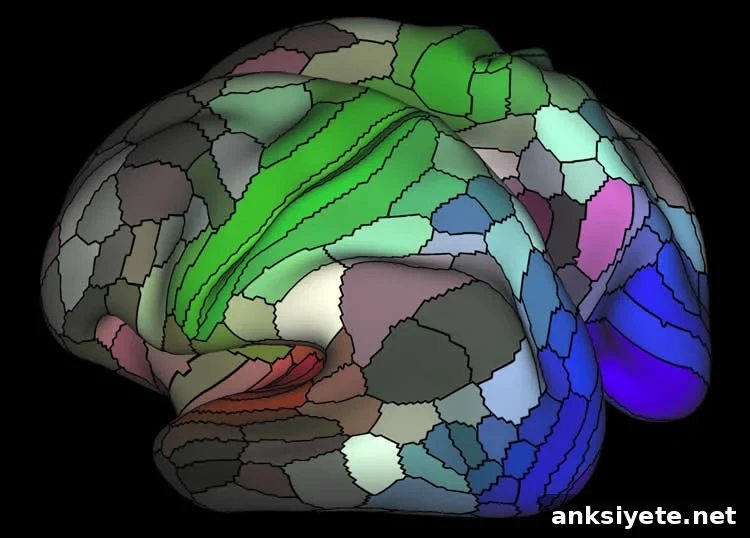
Summary: Researchers have created new software that can accurately identify and map distinct areas of the cerebral cortex. Source: NIH / NIMH Software Automatically Identifies Distinct Cortical Areas in Brain Scans Researchers have produced a detailed map of the human cerebral cortex that identifies 180 distinct areas in each hemisphere — more than twice the … Read more

New Function Discovered for Protein Linked to Alzheimer’s

featured 25126

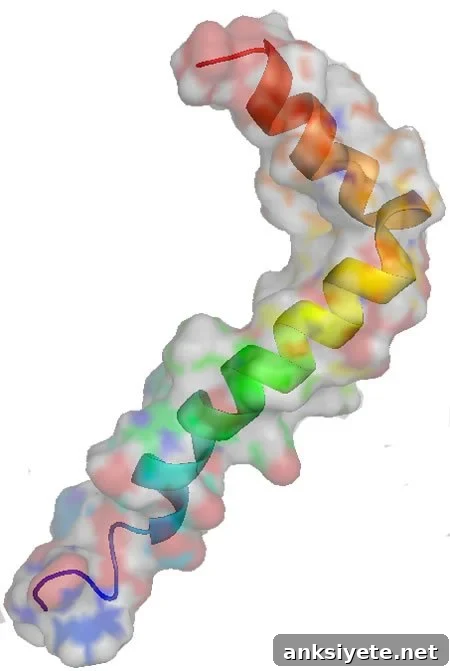
Researchers at Karolinska Institutet have found that amyloid-β peptides — long assumed to be primarily toxic and central to Alzheimer’s disease — also serve a normal biological role that affects cholinergic signaling in the brain. The new findings, published in the journal Brain, offer a plausible explanation for why cholinergic pathways are among the first … Read more