
Neuroscientists detect hevin in the newborn brain
In the days and weeks after birth, the human brain grows quickly as it adapts to a world of new sensory experiences. During this critical developmental window, neurons compete to form stable connections called synapses. A team of researchers at Duke University has now provided a detailed look at how those synapses are refined and identified a protein, hevin, that plays a central role in that process.
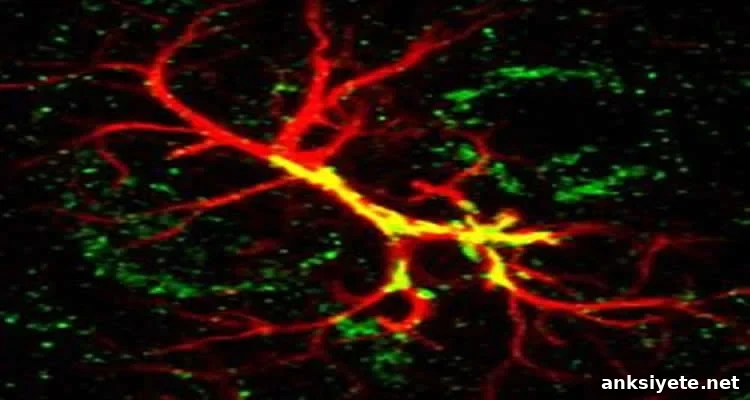
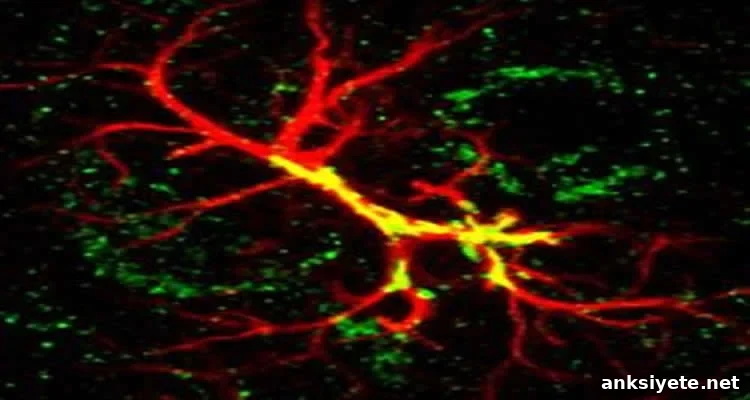
The study examined tiny protrusions on neurons known as dendritic spines, which serve as important sites for excitatory synaptic input. Long-held assumptions in neuroscience treat each spine as the site of a single synapse. Using three-dimensional serial section electron microscopy, the researchers found that many spines in newborn mouse cortex initially host multiple excitatory inputs. As the brain matures, most of these multiply-innervated spines are pruned so that each spine receives a single input.
Lead author William Christopher Risher, a postdoctoral researcher in Çagla Eroglu’s lab, called the observation of multi-input spines an exciting discovery. The detailed ultrastructural work revealed that many of these multi-innervated spines receive simultaneous connections from both thalamic axons and intracortical neurons, indicating that such spines are active sites of synaptic competition during early cortical development.
Crucially, the team linked this refinement process to hevin, a secreted protein produced by astrocytes rather than neurons. Hevin had been detected in the synaptic cleft decades ago and was later shown by Eroglu’s group to promote new synapse formation. This new work demonstrates that hevin is also required for the normal refinement of thalamocortical connectivity: mice lacking the gene for hevin retain a higher proportion of spines with multiple excitatory contacts into later development.
In the cortex—an area critical for complex cognition and sensory integration—hevin appears to bias connectivity in favor of thalamic inputs while discouraging some local intracortical connections. The imbalance created by the absence of hevin produces a persistent reduction in thalamocortical synapses together with a temporary increase in intracortical excitatory connections. These circuit-level changes suggest a mechanism by which astrocyte-derived proteins shape the maturation of cortical networks.
The authors note the potential clinical significance of these findings. Variants or dysregulation of hevin have been associated previously with neuropsychiatric conditions including autism spectrum disorder, depression and suicide. By demonstrating that hevin controls a key developmental synaptic refinement process—specifically the resolution of dendritic spines that initially receive multiple inputs—this study provides a plausible link between astrocyte signaling, circuit maturation, and risk for neurodevelopmental or mood disorders.
Beyond its developmental role, hevin remains abundant in many brain regions throughout adulthood, suggesting that it may contribute to both the formation and maintenance of specific synaptic connections. The research team is continuing to investigate the molecular mechanisms by which hevin directs connectivity and how its dysfunction could contribute to neurological disease.
Co-authors on the study include Sagar Patel, Jonnathan Singh Alvarado, Osman Calhan, Il Hwan Kim, Akiyoshi Uezu, and Scott Soderling from Duke’s Cell Biology Department; Srishti Bhagat and Nicole Calakos from Duke Neurology; Louis-Jan Pilaz and Debra Silver from Duke Molecular Genetics and Microbiology; and Daniel Wilton and Beth Stevens from Boston Children’s Hospital, Department of Neurology, Harvard Medical School.
The research received funding from multiple sources, including the National Institutes of Health (grants R01 DA031833, 2T32NS51156-6, NRSA 1F32NS08328 01A1, NS059957, MH103374, NS083897, NS071008), the Holland-Trice Fellowship, the Wakeman Fellowship, the Esther and Joseph Klingenstein Fund, and the Alfred P. Sloan Foundation.
Contact: Karl Bates – Duke University
Source: Duke press release
Image Source: Eroglu lab, Duke University / eLife
Original Research: Full open-access article “Astrocytes refine cortical connectivity at dendritic spines” in eLife; doi: 10.7554/eLife.04047
Astrocytes refine cortical connectivity at dendritic spines
During cortical synaptic development, thalamic axons must establish connections despite competition from more abundant intracortical projections. This study shows that the astrocyte-secreted protein hevin is required for normal thalamocortical synaptic connectivity in mouse cortex. Loss of hevin produces a long-lasting decrease in thalamocortical synapses and a transient increase in intracortical excitatory connections. Three-dimensional electron microscopy reconstructions revealed that early postnatal dendritic spines frequently receive multiple excitatory inputs, and most of these multiply-innervated spines receive both thalamic and cortical inputs simultaneously. The proportion of such spines declines as the brain matures but remains elevated in Hevin-null mice. These results indicate that astrocyte secretion of hevin governs an important developmental synaptic refinement process at dendritic spines.