
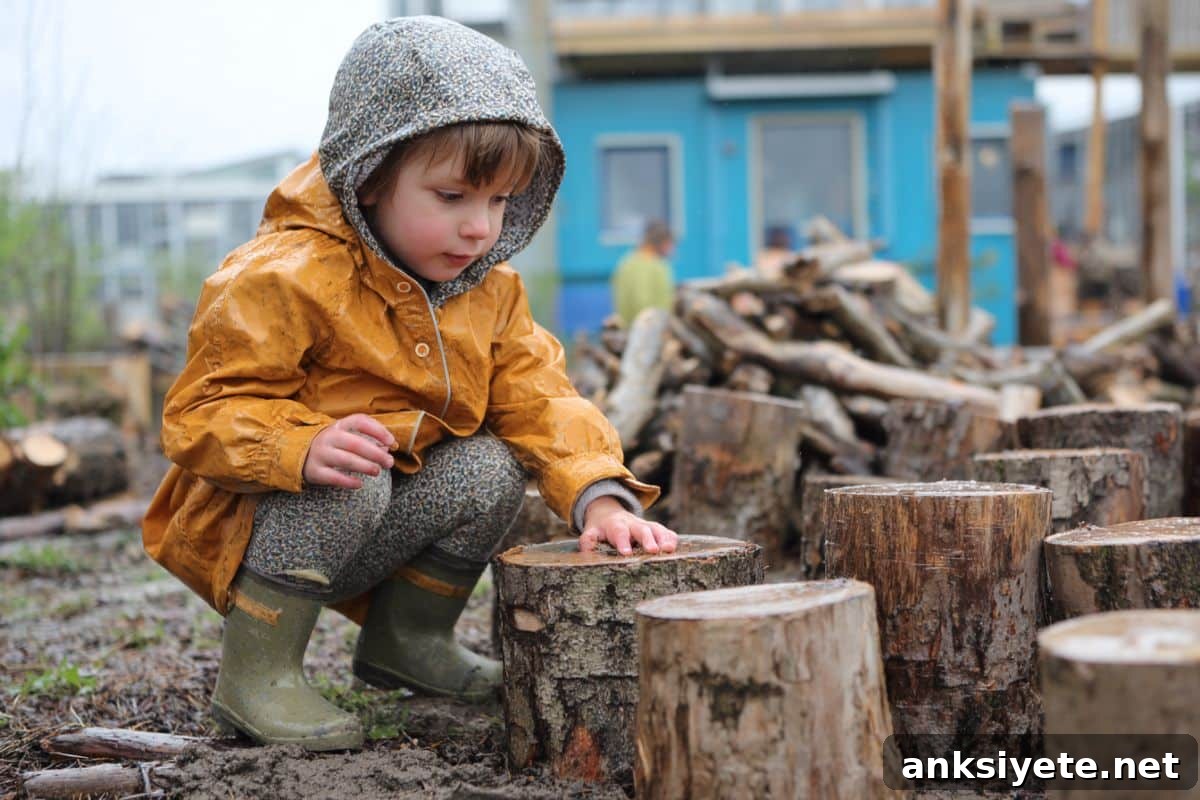
Summary: A new longitudinal study establishes the first timeline showing how outdoor play in early childhood supports mental health across development. Children who regularly play outdoors between ages two and four are significantly more likely to sustain low levels of emotional and behavioral difficulties through middle childhood (around age eight).
Researchers analyzed tracking data from thousands of children and found a clear, incremental protective effect against anxiety, depression, hyperactivity and related behaviours. The findings underscore the value of protecting parks, playgrounds and informal play spaces as part of public health and urban planning strategies.
Key Facts
- First longitudinal analysis of early play: Unlike prior cross-sectional work, this study is the first to link preschool outdoor play directly to children’s mental health trajectories over several years.
- Large, representative sample: Investigators examined data from 4,151 children enrolled in the Growing Up in Scotland cohort, in collaboration with teams at the University of Glasgow, University College London and the Complutense University of Madrid.
- Incremental benefits: Each additional day per week that a child played outdoors during the preschool years was associated with a 6% to 14% higher odds of maintaining a resilient, low-symptom mental health profile through age eight.
- Broad symptom protection: Early outdoor play predicted lower trajectories for both internalizing symptoms (for example, anxiety and depression) and externalizing symptoms (including aggression, impulsivity and hyperactivity).
- Robust analysis: The team statistically controlled for child sex, ethnicity, household education level, child physical conditions, parental employment status and access to a private garden or neighborhood park, strengthening confidence that outdoor play contributes independently.
- Policy implications: Lead author Professor Helen Dodd and colleagues emphasize that increasing access to safe outdoor play is a low-cost, scalable intervention. They call for investment in public parks, playground maintenance and informal play spaces to support families—especially those without private gardens.
Source: University of Exeter
Headline finding: Children who spend more time playing outdoors between ages two and four are less likely to develop emotional and behavioural difficulties later in childhood.
The study, led by the University of Exeter and published in the Journal of Child Psychology and Psychiatry, used repeated assessments of mental health from age four to eight along with parent reports of outdoor play at roughly two, three and four years. Parents completed the Strengths and Difficulties Questionnaire when children were about four, five, six and eight years old, allowing researchers to map symptom patterns over time.
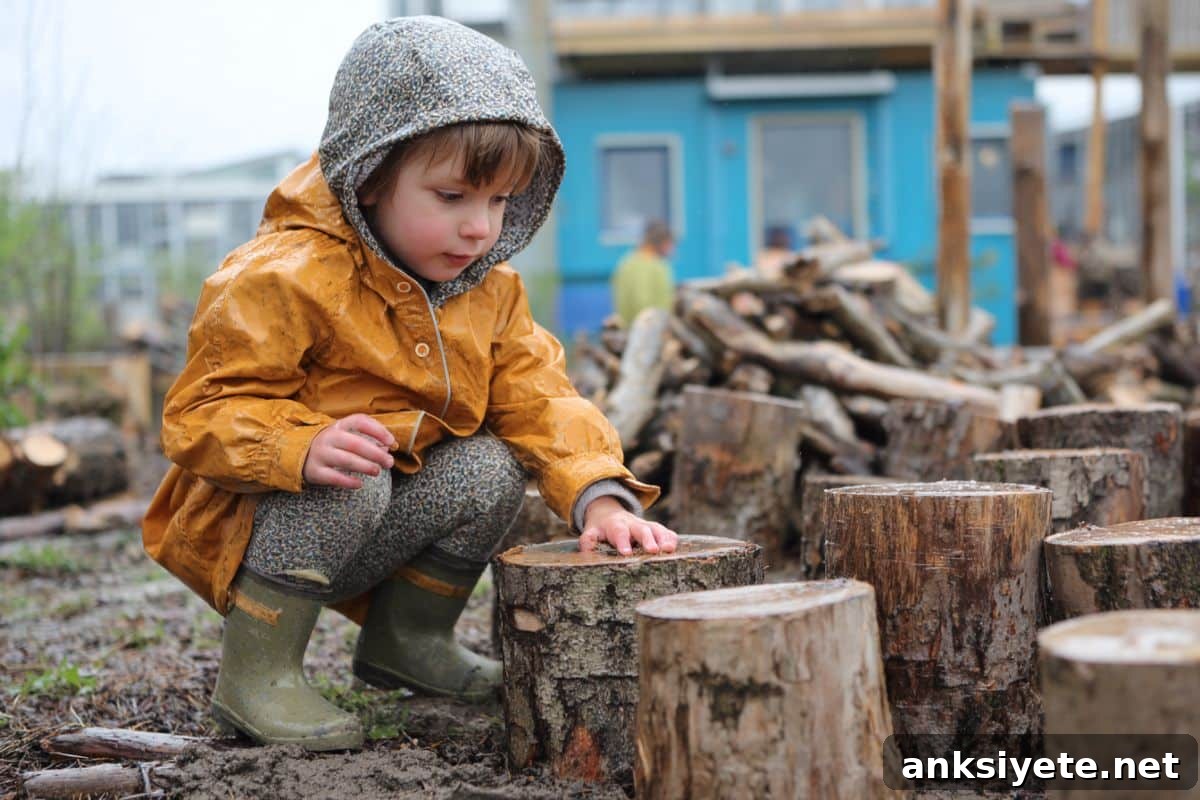
Growth mixture modelling identified three distinct trajectories for both internalizing and externalizing symptoms: a normative group with low, stable symptoms; an increasing group with moderate and rising symptoms; and a decreasing group with high but declining symptoms. After accounting for multiple covariates, more frequent outdoor play in the preschool years reliably reduced the odds that a child would belong to the increasing or decreasing symptom trajectories versus the normative, low-symptom trajectory.
Professor Helen Dodd, who led the research, commented that providing young children with more opportunities to play outside could be a simple, affordable way to support mental health. She urged policymakers in public health, education and urban planning to prioritise funding for playgrounds and the protection of the informal green spaces that families rely on, particularly those without access to private gardens.
Marguerite Hunter Blair OBE, chair of the UK Children’s Play Policy Forum, welcomed the findings and stressed the long-term value of play-based early interventions. She called on governments and local authorities to incorporate outdoor play into core policies and to collaborate with communities to create and improve essential play spaces.
Key Questions Answered
Q: How much protection does an extra day of outdoor play provide?
A: The analysis showed a measurable, dose-response effect: each additional day per week of outdoor play between ages two and four was associated with a 6% to 14% increase in the odds of maintaining low behavioural and emotional symptoms through age eight.
Q: Could family factors explain the association?
A: The researchers controlled for a wide range of family and contextual factors—parental employment, household education, child sex and ethnicity, child physical conditions, and access to a garden or nearby park—strengthening evidence that outdoor play itself contributes to the observed benefit.
Q: Why is this relevant for urban families?
A: Public parks, playgrounds and nearby green spaces serve as critical, equitable resources. The study highlights their role as practical early-intervention tools for families living in apartments or without private outdoor space.
Editorial Notes
- This article was edited by an editorial team and reviewed against the original journal paper.
- Additional context was provided to clarify public health and policy implications.
About this research
Author: Louise Vennells
Source: University of Exeter
Contact: Louise Vennells – University of Exeter
Image credit: Neuroscience News
Original Research: Early Outdoor Play Predicts Trajectories of Child Mental Health in a Population-Based Cohort by Helen F. Dodd, Kirsty Cordwell, Kathryn Hesketh, Avril Johnstone, Alejandro de la Torre-Luque and Paul McCrorie. Journal of Child Psychology and Psychiatry. DOI: 10.1111/jcpp.70175 (open access).
Abstract
Title: Early Outdoor Play Predicts Trajectories of Child Mental Health in a Population-Based Cohort
Background
Outdoor play may provide developmental experiences that support mental health. While cross-sectional studies link more outdoor play with fewer internalizing problems (anxiety, depression), longitudinal evidence has been limited. This study used nationally representative longitudinal data to test whether outdoor play at ages two to four predicts children’s mental health trajectories into middle childhood.
Methods
Parents reported how many days their child played outside during the previous week at approximately ages two, three and four. Children’s mental health was assessed using the Strengths and Difficulties Questionnaire at about ages four, five, six and eight. Growth mixture modelling identified distinct symptom trajectories for internalizing and externalizing domains, and multilevel multinomial regression evaluated whether early outdoor play predicted trajectory membership.
Results
The sample included 4,151 children. For both internalizing and externalizing symptoms a three-class solution emerged: normative (low, stable), increasing (moderate, increasing) and decreasing (high, decreasing). After adjusting for covariates, greater preschool outdoor play significantly reduced the odds of belonging to the increasing or decreasing trajectory groups compared with the normative group (internalizing: increasing OR = 0.92, decreasing OR = 0.88; externalizing: increasing OR = 0.94, decreasing OR = 0.94), all p < .001.
Conclusions
Using representative longitudinal data, this study provides the first evidence that early outdoor play predicts healthier mental health trajectories across childhood. Limitations include reliance on parent-reported measures. The findings support increasing access to outdoor play as a promising public health strategy to reduce childhood mental health problems.
Funding: The study was supported by UK Research and Innovation (UKRI) and the National Institute for Health and Care Research (NIHR), in collaboration with the University of Glasgow, University College London and Complutense University of Madrid, Spain.