AI Reveals Hidden Stress Damage Inside Your Body

featured 114122

Summary: Researchers have created an AI-driven tool that detects chronic stress by measuring adrenal gland volume on routine chest CT scans. This imaging biomarker aligns with cortisol levels, validated stress questionnaires, and long-term cardiovascular outcomes, offering the first noninvasive, image-based way to quantify the body’s cumulative stress load. The study found that larger adrenal gland … Read more
How the Brain Rebuilds Skills Using Cognitive LEGO Blocks

featured 114112

Summary: New research shows that the brain’s remarkable flexibility stems from its ability to reuse modular “cognitive building blocks” across different tasks. Studying monkeys trained on related categorization challenges, researchers discovered that the prefrontal cortex assembles and reassembles shared neural activity patterns—like components in a modular system—so the brain can adapt quickly with little need … Read more

How Your Brain Rewires at Ages 9, 32, 66 and 83

featured 114107

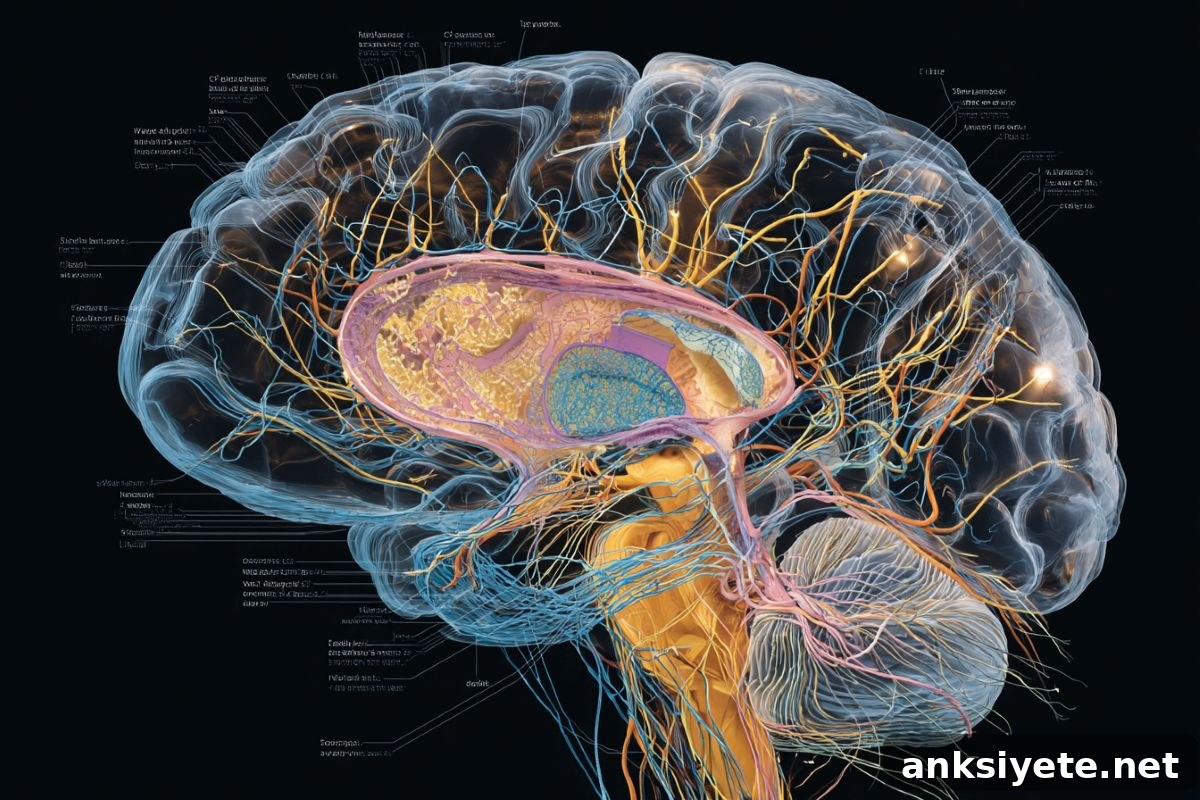
Summary: Researchers have mapped five major phases of how the human brain is wired from birth through late life, identifying four clear turning points around ages 9, 32, 66, and 83. Childhood and adolescence are marked by rapid reorganisation, adulthood by a long period of structural stability, and later life by progressive weakening and localisation … Read more

When Brains Sync: The Science of Collaboration

featured 114103

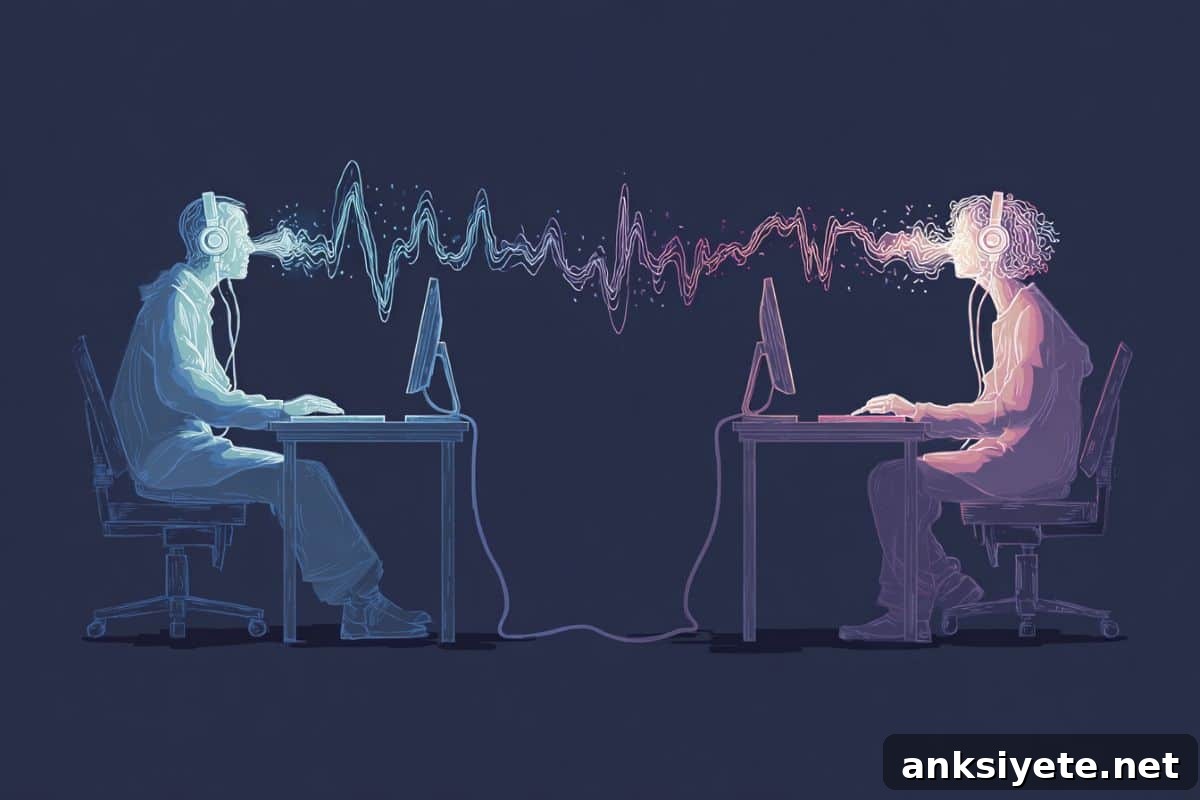
Summary: A new study finds that when two people actively collaborate toward a shared goal, their brains begin to process information in increasingly similar ways. Using EEG hyperscanning, researchers observed that while all participants showed comparable early sensory responses to visual patterns, only real collaborating pairs developed sustained neural alignment tied to the specific rules … Read more

How the Prefrontal Cortex Shapes Visual Perception

featured 114095

Summary: New research reveals that the prefrontal cortex (PFC) does more than send broad commands to sensory areas—it sends precise, target-specific signals that shape how the brain processes visual information depending on internal state. In mice, two distinct PFC subregions direct different forms of feedback to visual and motor cortices, either sharpening or dampening visual … Read more

What Triggers Your Brain’s Isolation Mode

featured 114090

Summary: New research pinpoints the immune-to-brain pathway responsible for the loss of social motivation during illness. The study shows that the immune signaling molecule interleukin-1 beta (IL-1β) binds to IL-1R1 receptors on neurons in the dorsal raphe nucleus (DRN), activating a neural circuit to the lateral septum that drives social withdrawal. This mechanism operates independently … Read more

How Dog Behavior Genes Influence Human Emotions

featured 114081

Summary: Researchers examined the genomes and behavior profiles of about 1,300 golden retrievers and identified specific genetic variants that influence traits such as trainability, fear of strangers, and aggression toward other dogs. Notably, a dozen of these canine genes are also linked to emotional and cognitive traits in humans, pointing to shared biological foundations across … Read more

Genetic Breakthrough Reveals Delirium Risk Pathway

featured 114076

Summary: A large genetic and proteomic study involving over one million people has shown that the APOE gene, previously best known for its connection to Alzheimer’s disease, also independently raises the risk of delirium. The effect persists even when dementia is taken into account, indicating APOE can increase vulnerability to delirium in people who are … Read more

Genetic Study Identifies a New Type of Suicide Risk

featured 114067

Summary: New genetic research from the University of Utah suggests that many people who die by suicide without any recorded history of suicidal thoughts or behaviors form a distinct risk group rather than simply representing missed or undiagnosed cases of depression. Analysis of genetic data from more than 2,700 suicide deaths found that those without … Read more

Single Brain ATP Circuit Drives Stress-Like Behaviors

featured 114063

Summary: New research indicates that reduced ATP signaling in the dorsal hippocampus contributes directly to both depression- and anxiety-like behaviors. In male mice exposed to chronic stress, extracellular ATP and the ATP-release protein connexin 43 (Cx43) were significantly decreased. When connexin 43 was experimentally reduced or deleted in hippocampal astrocytes, mice developed depression- and anxiety-like … Read more