
Summary: Researchers report that human growth hormone preparations derived from human pituitary tissue before 1985 contained seeds of the amyloid‑beta protein. In laboratory tests, archived vials of this hormone induced amyloid pathology when injected into mice, demonstrating that amyloid‑beta seeds can remain active after decades of storage. The results strengthen the hypothesis that Alzheimer’s‑related protein aggregates can be accidentally transmitted via contaminated materials.
Source: UCL
A UCL‑led study has verified that certain vials of pituitary‑derived human growth hormone used in discontinued medical treatments contained amyloid‑beta seeds and that these preparations can seed amyloid pathology in mice.
The research, published in Nature, builds on work first reported by the team in 2015. That earlier study described amyloid pathology in people who developed Creutzfeldt‑Jakob disease (CJD) after receiving human growth hormone derived from pooled cadaveric pituitary glands. Amyloid pathology refers to the accumulation of misfolded proteins, especially amyloid‑beta, which is strongly implicated in Alzheimer’s disease.
In the new study, researchers located archived batches of cadaveric human growth hormone (c‑hGH) and tested them biochemically. They found significant levels of amyloid‑beta peptides (Aβ40 and Aβ42) and also detected tau protein in some vials. To test whether the material could induce disease, the team injected samples into laboratory mice engineered to be susceptible to amyloid‑beta aggregation.
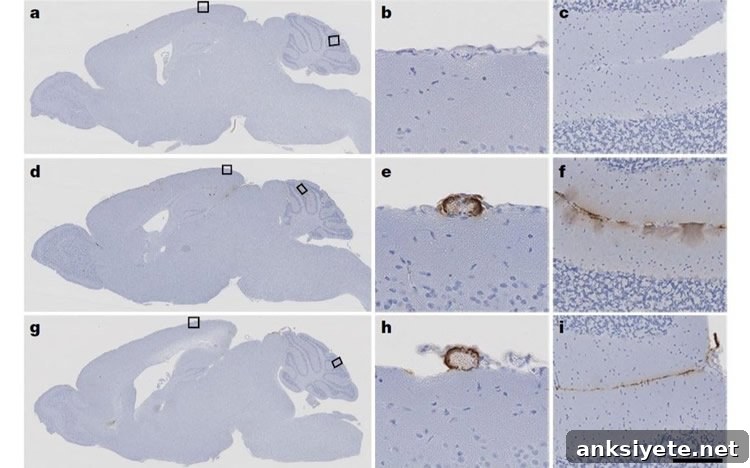
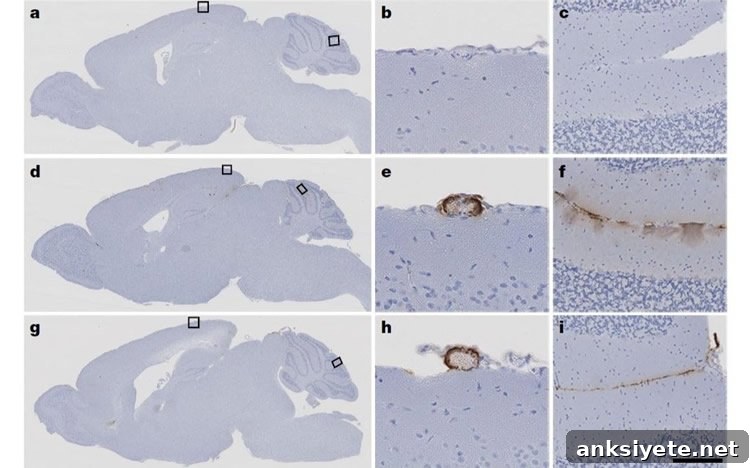
Mice inoculated with the contaminated c‑hGH developed clear amyloid pathology and cerebral amyloid angiopathy (CAA) within a year—similar to what is seen after injection of Alzheimer’s disease brain tissue. Control groups given synthetic growth hormone or normal brain tissue showed no such changes. These experimental results show that archived c‑hGH batches contained amyloid‑beta seeds capable of inducing amyloid deposition in an animal model even after long‑term storage.
Professor John Collinge, lead author and director of the MRC Prion Unit and UCL Institute of Prion Diseases, said the findings support the earlier hypothesis that c‑hGH prepared from human tissue before 1985 could have been contaminated not only with prions that cause CJD but also with amyloid‑beta seeds. He emphasized that there is no evidence from this work that Alzheimer’s disease or CJD can be caught through ordinary contact with affected people; the study instead highlights a potential iatrogenic route linked to contaminated biological preparations.
The 2015 study reported amyloid‑beta deposits in brain autopsies from eight people who died of iatrogenic CJD after childhood treatment with cadaveric pituitary‑derived growth hormone. Six of those individuals had amyloid pathology, and four had cerebral amyloid angiopathy. None had developed the full clinical syndrome of Alzheimer’s disease at the time of death from CJD. Those clinical observations prompted the present experimental investigation of archived hormone vials.
For the animal experiments, the researchers used mice that express a mutant, humanized form of the amyloid precursor protein and are therefore prone to amyloid‑beta deposition. The inoculated mice developed parenchymal amyloid plaques and vascular amyloid consistent with CAA, confirming that the c‑hGH material contained biologically active Aβ seeds. The mice did not develop tau pathology because the model used was not predisposed to tau aggregation.
Co‑author Dr Silvia Purro (UCL Institute of Prion Diseases) noted the importance of understanding both why amyloid‑beta deposits form and how those deposits relate to tau aggregation, the second protein hallmark of Alzheimer’s disease. While this work links archived cadaveric hormone to transmissible amyloid‑beta seeds, it does not establish that modern medical or surgical procedures have caused Alzheimer’s disease in people. Nevertheless, the findings raise the question of whether contemporary practices that involve contact with nervous tissue or instruments used in neurosurgery should be reviewed in light of what is already known about accidental prion transmission.
Dr Rob Buckle, Chief Science Officer at the Medical Research Council, which funded the study, added that the experiments offer new insight into molecular mechanisms linking amyloid‑beta to Alzheimer’s disease pathology, but cautioned that these were controlled experiments in genetically susceptible mice and do not provide evidence that Alzheimer’s disease can be transmitted between people.
The study’s main implications are twofold: first, it provides experimental confirmation that archived c‑hGH can contain persistent, biologically active amyloid‑beta seeds; second, it underlines the need for further research and a careful review of potential iatrogenic risks. The authors recommend consideration of existing evidence about accidental prion transmission when evaluating the possibility that medical instruments or tissue‑derived products could transmit amyloid‑beta seeds.
Funding: The research was principally funded by the Medical Research Council with additional support from the National Institute for Health Research. The study involved collaborators at the MRC Prion Unit at UCL and UCL Institute of Prion Diseases; Brigham and Women’s Hospital and Harvard Medical School; and the RIKEN Center for Brain Science, Japan.
Source: Chris Lane, UCL
Publisher: Organized by NeuroscienceNews.com
Image source: Purro et al., 2018 (as credited by NeuroscienceNews.com)
Original research: Purro SA, Farrow MA, Linehan J, Nazari T, Thomas DX, Chen Z, Mengel D, Saito T, Saido T, Rudge P, Brandner S, Walsh DM & Collinge J. “Transmission of amyloid‑β protein pathology from cadaveric pituitary growth hormone.” Nature. Published December 13, 2018. (Abstract and details available in the published paper.)
Abstract
Transmission of amyloid‑β protein pathology from cadaveric pituitary growth hormone
Prior work reported amyloid‑beta (Aβ) deposits in people with Creutzfeldt‑Jakob disease who had received cadaveric pituitary‑derived growth hormone contaminated with prions. The unusually abundant parenchymal and vascular Aβ deposition in these relatively young, treatment‑related cases suggested the implicated hormone batches might also have contained Aβ seeds. To test this, archived vials of c‑hGH were identified and biochemically analysed. Certain batches contained substantial levels of Aβ40, Aβ42 and tau proteins. When intracerebrally inoculated into mice expressing a mutant, humanized amyloid precursor protein, this material seeded Aβ plaque formation and cerebral Aβ‑amyloid angiopathy. These results confirm the presence of Aβ seeds in archived c‑hGH vials and are consistent with iatrogenic human transmission of Aβ pathology. The findings have implications for prevention and treatment strategies and support a review of the risk that Aβ seeds might be transmitted by medical and surgical procedures already known to carry a risk for accidental prion transmission.