Why Men and Women Assess Mental Risk Differently
featured 116289 1

Summary: Although male and female brains are far more similar than different in overall structure, a high-resolution genetic study has uncovered thousands of subtle molecular distinctions. Using single-nucleus RNA sequencing (snRNA-seq) across six cortical regions, researchers mapped gene activity at cell-type resolution and identified patterns that may help explain sex differences in the prevalence and … Read more
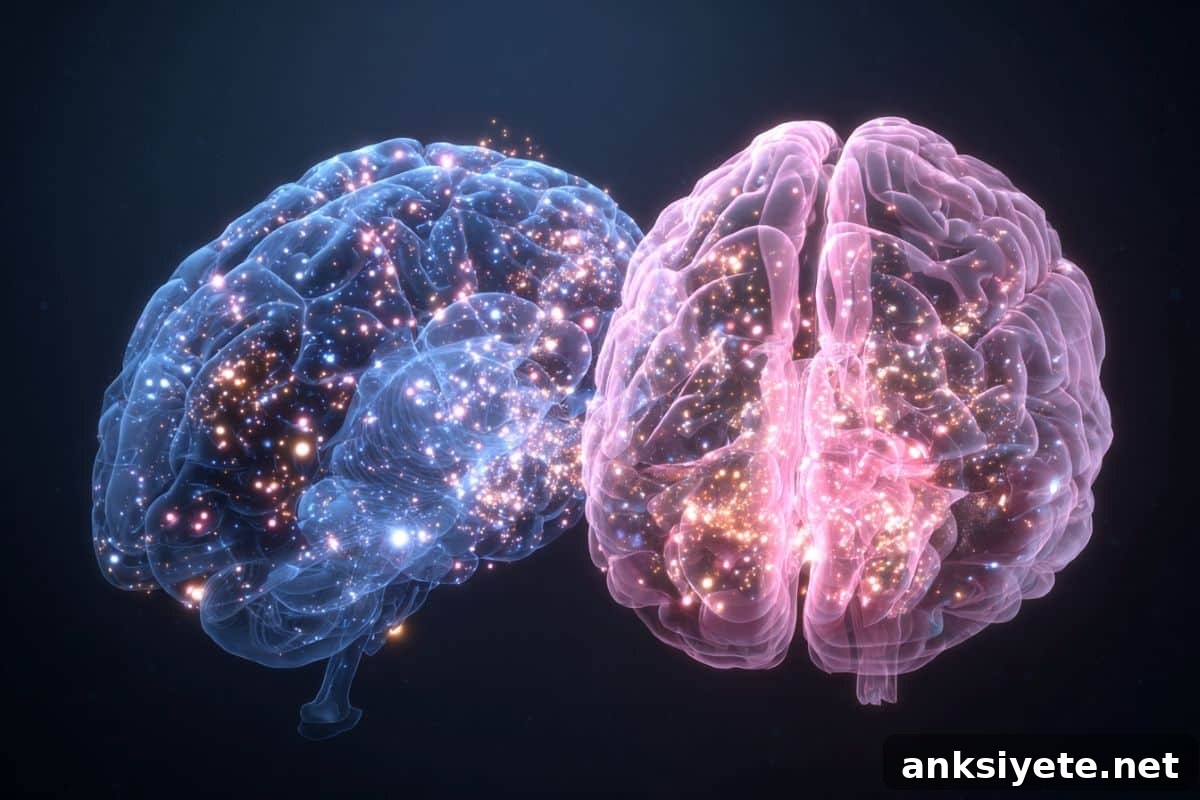
Why Men and Women Perceive Risks to Mental Health Differently

featured 116289

Summary: Although male and female brains are far more alike than different in structure, a high-resolution genetic analysis has uncovered thousands of subtle molecular distinctions. Using single-nucleus RNA sequencing (snRNA-seq) across six cortical regions, researchers mapped gene activity at cell-type resolution and identified small but widespread sex-related differences in transcription. The study shows that sex … Read more

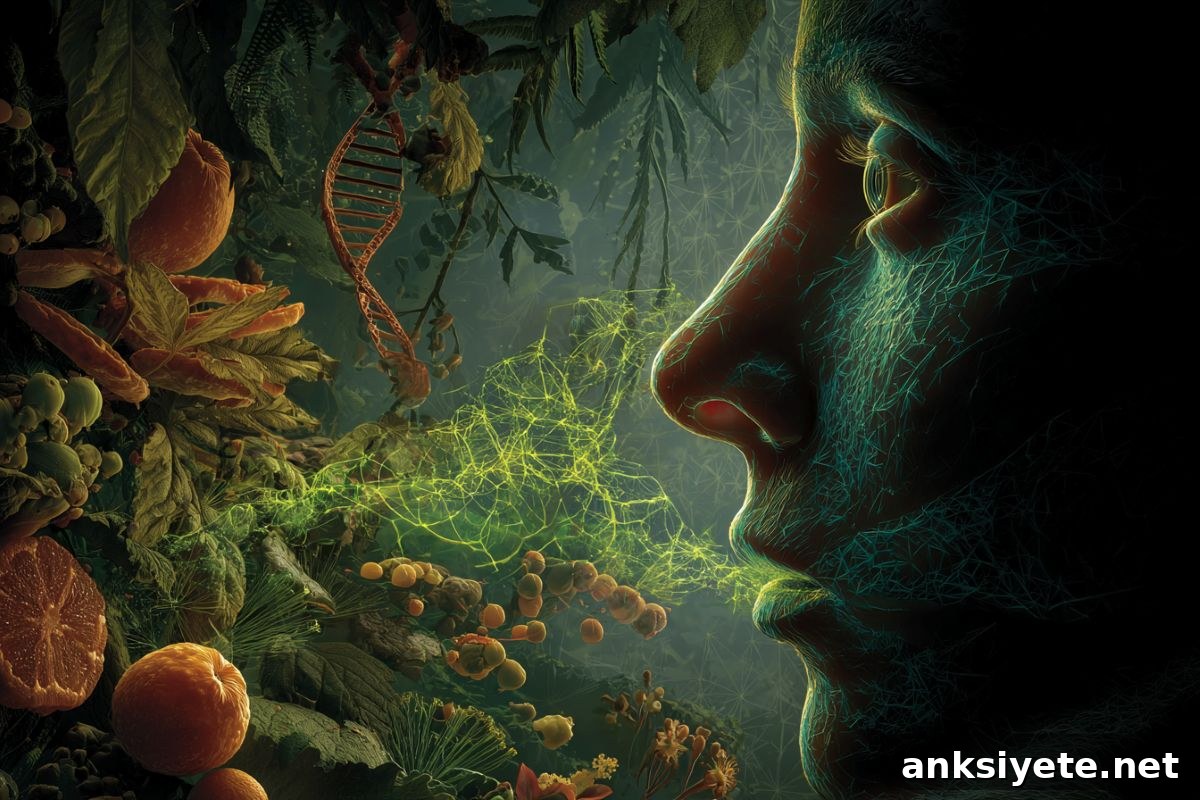
How Hunter-Gatherer Genes Shape Human Sense of Smell

featured 116284 1

Summary: New genetic evidence challenges the idea that humans have lost their sense of smell. A study of the Indigenous Orang Asli populations in Malaysia shows that human olfaction has been dynamically molded by culture, diet, and environment. While agricultural societies accumulated mutations that weaken certain smell receptors, hunter-gatherer groups retained more functional, ancestral versions … Read more

Hunter-Gatherer Genes Reveal Secrets of Human Smell

featured 116284

Summary: New genetic evidence challenges the long-held idea that humans have broadly “lost” their sense of smell. A genomic study of Indigenous Orang Asli populations in Malaysia shows that human olfaction has been actively shaped by culture, diet and environment. Hunter-gatherer groups retain highly functional, ancestral olfactory receptor genes important for foraging, while agricultural communities … Read more

How the Brain Harnesses the Placebo Effect to Relieve Pain

featured 116280 1

Summary: The placebo effect — where expecting relief can produce real pain reduction — is one of medicine’s most intriguing phenomena. A multi-institutional team has now mapped the precise neural pathway that enables this effect, identifying the brain regions and circuits that trigger the brain’s own opioid release to block pain. Using a “reverse-translation” approach … Read more

Brain Circuits That Drive Placebo Pain Relief

featured 116280

Summary: The placebo effect—where expectation of relief triggers measurable pain reduction—remains one of medicine’s most intriguing phenomena. A multi-institutional team led by researchers at the University of California San Diego has now mapped the precise brain circuitry that produces placebo-driven pain relief and identified where the brain releases its own opioid peptides to block pain. … Read more

How Fat Cells Teach the Brain to Reject Junk Food

featured 116276

Summary: That instinctive “never again” response after food poisoning isn’t just a memory — it can be encoded through a direct line of communication between the immune system, fat tissue, and the brain. A new study in the fruit fly Drosophila reveals how pathogen detection triggers a fat-to-brain signal that enforces long-term avoidance of contaminated … Read more

How Fat Cells Signal the Brain to Avoid Junk Food

featured 116276 1

Summary: The familiar “never again” reaction after food poisoning is not just psychological — it involves a biological signal that reaches fat cells and then the brain. A new study using the fruit fly Drosophila reveals how immune detection of pathogens triggers a fat-to-brain communication that produces lasting avoidance of contaminated food, a form of … Read more

Shallow Brain Hypothesis: Subcortical Shortcuts Transform AI

featured 116272 1

Summary: Modern AI models generally imitate the brain’s cortex—the outer, high-level layer—while largely overlooking the older, deeper subcortical structures. A research team in the Netherlands proposes a new computational architecture that integrates those subcortical pathways with cortical hierarchies, producing models that are more flexible, efficient, and biologically realistic. The study finds that pairing a fast, … Read more

Shallow Brain Hypothesis: Subcortical Shortcuts for Smarter AI

featured 116272

Summary: Current AI models largely imitate the cortex—the brain’s high-level, outer layer—but often neglect the older, deeper subcortical structures that mediate rapid reactions, emotion, and basic learning. A research team from the Netherlands proposes a new computational architecture that integrates these subcortical pathways with cortical hierarchies to produce more flexible, efficient, and biologically plausible AI … Read more