
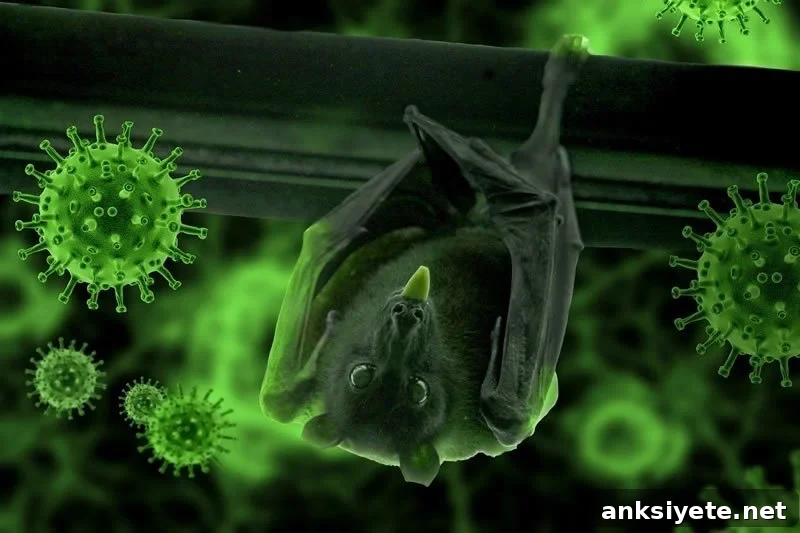
Summary: Virologists and computational scientists agree that the ways humans handle, trade, and encroach on wildlife have likely played a major role in the COVID-19 pandemic and other recent viral outbreaks.
Source: USC
As the world confronts the coronavirus emergency on the brink of Earth Day’s 50th anniversary, experts ask whether nature is sending us a warning.
Researchers at the University of Southern California say the COVID-19 pandemic and several other outbreaks in the past decade are closely linked to wildlife and human interactions with wild animals. Paula Cannon, Distinguished Professor of Molecular Microbiology and Immunology at the Keck School of Medicine of USC, studies viral transmission and emphasizes that the current coronavirus most likely originated in wild animals before infecting people.
“We are increasing our risk of encountering dangerous viruses by moving into natural habitats and capturing wild animals,” Cannon said. “Human activity created the conditions for this pandemic, and without changes, similar events are likely to happen again.”
Although the precise route of the current outbreak remains under investigation, scientists point to strong genetic evidence that links the novel coronavirus to populations of horseshoe bats. That evidence makes the bat-origin hypothesis the most plausible explanation at present.
Investigators have identified a market in Wuhan, China, as a likely initial amplification point where the virus crossed into humans and then spread globally. While described as a seafood market, live animals were also sold there—some as pets and others for food—creating close contact that could have enabled animal-to-human transmission.
Previous zoonotic outbreaks illustrate the pattern: Middle East respiratory syndrome (MERS) appears to have moved from bats to camels and then to people, while severe acute respiratory syndrome (SARS) likely passed from bats to civet cats before infecting humans. Bats are also suspected as the original reservoir for Ebola outbreaks that affected humans in Africa in 1976 and again from 2014 to 2016.
Genetic analyses show substantial similarities between parts of the COVID-19 genome and coronaviruses found in bats. There are also genetic signatures similar to viruses identified in pangolins, but whether pangolins acted as an intermediate host or were themselves infected by bats remains uncertain.
“There are hundreds of coronaviruses, and many circulate in bat species,” Cannon noted. “Based on what we’ve seen with SARS, MERS, and COVID-19, scientists are concerned that other bat viruses will eventually make the jump into humans. When the right combination occurs, the spread can be rapid and widespread.”
How wildlife trafficking may have contributed to COVID-19
Protecting public health and conserving wildlife may require technological tools such as artificial intelligence. USC researchers are applying AI to disrupt the wildlife trafficking networks that increase the risk of zoonotic disease spillover.
Bistra Dilkina, a professor of computer science at the USC Viterbi School of Engineering, describes wildlife trafficking as a large and damaging global industry. Estimates place the illicit trade in animals and their parts at billions of dollars annually. Trafficked species include primates used as bushmeat, tigers captured for skins or kept as pets, pangolins hunted for scales, and many other bats, snakes, elephants, rhinoceroses, and exotic birds.
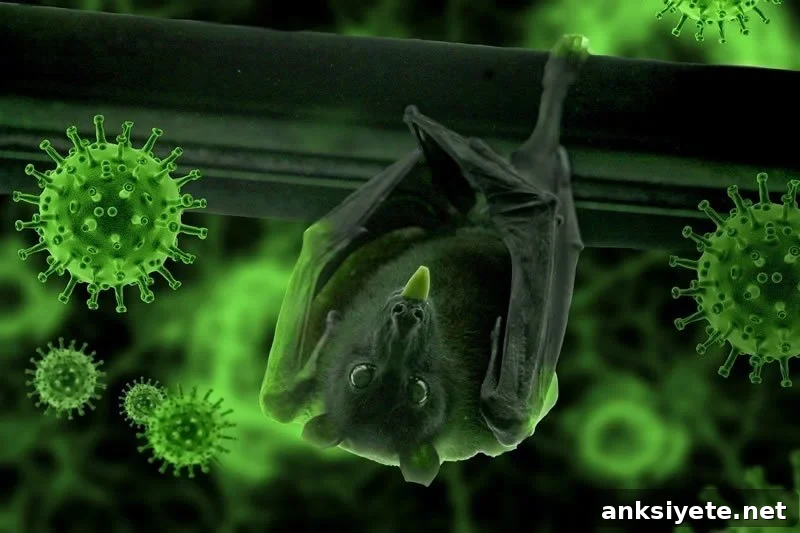
Wildlife trafficking operates through local and transnational illegal supply chains. It harms ecosystems and cultural heritage, often intersects with other serious crimes, fuels violence against animals and people, and creates pathways for zoonotic pathogens—viruses and other microbes that can move between animal species and humans.
USC’s AI-driven project models these illicit supply chains to identify likely trafficking hubs and routes. By analyzing data with algorithms, researchers can predict hotspots, prioritize locations for interdiction, and recommend where law enforcement and conservation efforts can be most effective at disrupting networks and reducing resilience of illegal trade.
“AI can create predictive models to map poaching and trafficking hotspots so ranger patrols can be deployed more efficiently,” Dilkina said. “Field tests in protected areas in Cambodia and parts of Africa have shown promising results in saving animals and deterring criminals.”
The initiative brings together specialists in supply chain management, criminology, operations research, and computer science from multiple institutions and is supported by the National Science Foundation.
There are additional co-benefits to disrupting wildlife trade. Illegal animal trafficking often accompanies drug smuggling and other contraband, so interventions can reduce multiple criminal activities simultaneously. The COVID-19 pandemic has highlighted how wildlife markets and trafficking can influence global health and economies, underscoring the importance of addressing these threats.
About this coronavirus research article
Source:
USC
Media Contacts:
Gary Polakovic – USC
Image Source:
The image is in the public domain.
Feel Free To Share This COVID-19 News.