
Summary: A new study shows that ischemic stroke can produce persistent damage to the blood-spinal cord barrier, creating a harmful environment in the spinal cord that may contribute to long-term motor problems and disease progression.
Source: USF Health.
Ischemic stroke causes lasting blood-spinal cord barrier damage that may worsen spinal cord health and motor function
Researchers at the University of South Florida have found that ischemic stroke produces significant, long-lasting damage to the blood-spinal cord barrier (BSCB) in a rat model. Their findings, published online and slated for print in the Journal of Neuropathology and Experimental Neurology, indicate that BSCB breakdown after cerebral ischemia creates a toxic microenvironment in the cervical spinal cord that could increase vulnerability to motor dysfunction and other pathological changes.
“This study, carried out using laboratory rats modeling stroke, demonstrated that ischemic stroke – in both its subacute and chronic stages – damages the BSCB in a variety of ways, creating a toxic environment in the spinal cord that can lead to further disability and exacerbate disease pathology,” said Dr. Svitlana Garbuzova-Davis, lead author and associate professor in USF’s Center of Excellence for Aging and Brain Repair. The team’s goal was to evaluate post-stroke BSCB condition to help guide the development of more effective therapies for stroke survivors.
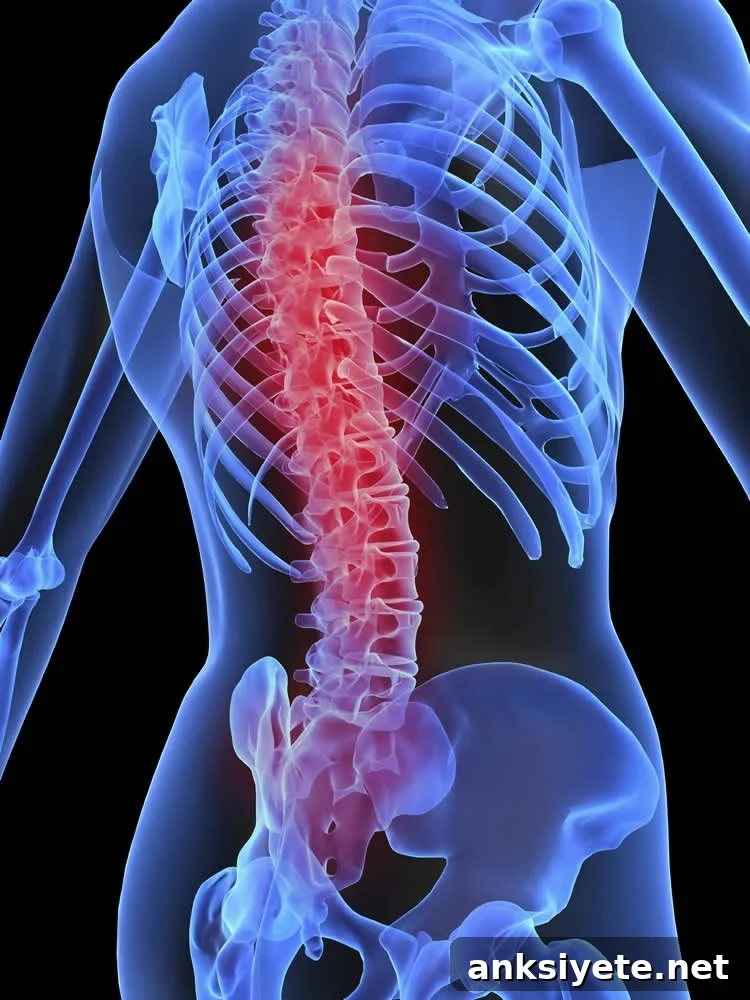
The blood-spinal cord barrier is a specialized vascular interface that maintains the spinal cord’s microenvironment, protecting neural cells from harmful substances and regulating molecular exchange. When the BSCB loses integrity, microvascular permeability increases and vascular damage becomes a major pathological feature of both subacute and chronic stroke. Damage to the BSCB plays a central role in downstream pathological processes, including inflammation, neuronal stress, and impaired motor function.
In this study the researchers examined cervical spinal cord tissue at two time points after transient middle cerebral artery occlusion (tMCAO): seven days (subacute) and 30 days (chronic). Electron microscopy and immunohistochemistry revealed bilateral damage in both gray and white matter of the cervical spinal cord. Key findings included degeneration of astrocyte end-feet, loss of motor neurons, reduced expression of the tight junction protein occludin, swollen axons with disrupted myelin in ascending and descending tracts, and perivascular edema—changes that collectively indicate widespread BSCB disruption.
The investigators also observed alterations in proteins linked to autophagy in endothelial cells forming the BSCB. Beclin-1, a regulator of autophagy, was upregulated in endothelial cells early after stroke, while LC3B, another autophagy-related protein, increased at seven days but declined by 30 days. These patterns suggest dysregulated autophagy in spinal cord capillaries after ischemia, which may contribute to endothelial degeneration and progressive barrier disruption.
Evans Blue dye studies showed maximal extravasation at seven days post-ischemia, consistent with an early peak in vascular permeability. Ultrastructural changes included vacuolated endothelial cells with autophagosomes, pericyte degeneration with swollen mitochondria, and astrogliosis. The combination of microvascular injury and neuronal pathology in cervical spinal cord segments linked to motor pathways highlights a mechanism by which cerebral ischemia can trigger remote spinal cord damage—sometimes described as spinal cord ischemic diaschisis.
“Because our investigations on post-stroke microvascular alterations, including BSCB damage, have just begun, many questions remain,” said senior author Dr. Cesario Borlongan, professor and director of the USF Center of Excellence for Aging and Brain Repair. He emphasized the need to confirm the specific protein changes that drive endothelial cell degeneration and tight junction loss, and to correlate structural BSCB damage with behavioral measures of motor function in post-stroke animals.
Co-author Dr. Paul R. Sanberg noted that these novel observations of BSCB damage in subacute and chronic ischemic stroke may inform new therapeutic strategies for patients who have suffered cerebral infarction, by expanding attention beyond the brain to include spinal cord microvascular health.
Study source: Svitlana Garbuzova-Davis et al., USF Health. The research was published in the Journal of Neuropathology and Experimental Neurology.
Original research: Blood-Spinal Cord Barrier Alterations in Subacute and Chronic Stages of a Rat Model of Focal Cerebral Ischemia. Published online June 9, 2016. DOI: 10.1093/jnen/nlw040.
Previous work showed blood-brain barrier impairment in remote contralateral brain areas in rats at 7 and 30 days after tMCAO, indicating ischemic diaschisis. This study focused on subacute and chronic effects of focal cerebral ischemia on the blood-spinal cord barrier. BSCB damage was observed bilaterally in the cervical spinal cord at 7 and 30 days post-tMCAO. Ultrastructural changes included vacuolated endothelial cells with autophagosomes, pericyte degeneration with enlarged mitochondria, astrocyte end-foot degeneration, perivascular edema, damaged motor neurons, swollen axons with disrupted myelin in ascending and descending tracts, and astrogliosis. Evans Blue extravasation peaked at 7 days. Immunofluorescence showed reduced microvascular occludin, upregulation of Beclin-1 and LC3B at 7 days, and a decrease in LC3B at 30 days. These findings indicate pervasive and long-lasting BSCB damage after focal cerebral ischemia and suggest that spinal cord ischemic diaschisis should be considered in the pathophysiology and therapeutic approaches for ischemic cerebral infarction.