

 Mindfulness is a present-focused, nonjudgmental way of attending to thoughts and feelings (Kabat-Zinn, 2012). It can be summarized as “paying attention on purpose, in the present moment, and without judgment” (Kabat-Zinn, 2012, p. 1).
Because mindfulness supports emotional balance and overall wellbeing, it has become an important therapeutic tool for clinicians. A wide range of practical mindfulness worksheets makes it easier for therapists, educators, parents, and clients to practice and teach these skills.
Worksheets and handouts vary by population and clinical focus: some target children or teens, others are suited for adults; some are tailored to anxiety, stress, or addiction; and many are designed to fit within treatment models such as CBT, DBT, or ACT.
This article summarizes more than 65 mindfulness worksheets and resources organized by audience and application. Each section highlights practical exercises and structured handouts you can use to build mindfulness into therapy, classrooms, groups, or home practice.
If you abandon the present moment, you cannot live the moments of your daily life deeply.
Thich Nhat Hanh
This Article Contains:
- 8 Best Mindfulness Worksheets
- Worksheets for Kids and Students
- Mindfulness Coloring Worksheets
- Worksheets for Anxiety and Stress Reduction
- Useful Worksheets for DBT Sessions
- Worksheets to Use in CBT Sessions
- Worksheets for Addiction and Relapse Prevention
- Group Mindfulness Worksheets
- Further Resources and Tools
- Take-Home Message
- References
8 Best Mindfulness Worksheets
Several clinically oriented workbooks offer structured, easy-to-use mindfulness handouts. Below are some of the most commonly used worksheet formats that translate well into individual or group sessions.
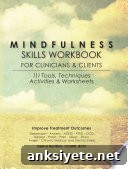 Examples of useful handouts include:
Loving-Kindness for Self and Others
This exercise guides people to visualize a set of different relationships (self, friend, neutral person, difficult person) and to gradually offer wishes of wellbeing and kindness to each. Typical phrases include “May I be well,” “May I be happy,” and “May I be free from suffering.”
Journal Prompts About Mindfulness
Structured journaling helps people clarify what mindfulness means to them and how they are applying it in daily life. Prompts can include:
- How would you define mindfulness?
- How have you started to be more mindful during your day?
- How do you feel about being more mindful?
- Why have you decided to incorporate mindfulness into your life?
Exploring a Time You Felt Afraid
Guided prompts help clients access memories associated with fear and explore whether those reactions are rooted in present danger or past experiences. Prompts may ask for descriptions of the situation, triggers, and similar past events.
Understanding the Prefrontal Cortex (PFC)
A psychoeducational worksheet uses an orchestra conductor metaphor to explain executive functions such as planning, organization, attention regulation, and decision-making. Exercises invite clients to list strengths and challenges controlled by the PFC and to practice mindfulness as a way to strengthen these functions.
ACT-Informed Exercises
Acceptance and Commitment Therapy worksheets often focus on values, willingness, and committed action. Typical formats: identifying avoidance strategies, clarifying values and goals, and building small-step action plans that encourage openness to uncomfortable thoughts and feelings in service of valued living.
Thoughts and Feelings: Struggle or Acceptance
A short questionnaire contrasts struggle-based reactions (try to control or suppress feelings) with acceptance-based perspectives (allow feelings to come and go and focus on valued action). This helps clients notice how acceptance can reduce entanglement with difficult internal experiences.
Action Plans and STOP Techniques for Crisis
Action-planning worksheets identify concrete steps clients will take during distress. The STOP mnemonic (Slow breathing, Observe thoughts and feelings, Open up to experience, Proceed with personal values) provides a brief, structured coping sequence for moments of panic or intense stress.
Worksheets for Kids and Students
 Mindfulness programs for children and adolescents are associated with improvements in emotion regulation, self-esteem, attention, and reduced anxiety and behavior problems.
Child-friendly worksheets adapt mindfulness to age-appropriate language and playful formats. Examples include:
- Inside and Outside Worksheet – contrasting internal thoughts and external events to teach perspective-taking
- Right Here, Right Now – five simple sentences to introduce the concept of present-moment attention for young children
- Fun Mindful Eating – a sensory-focused activity for early elementary students
- Feelings Wheel – a tool to help children identify and label emotions
- Gratitude Gifts – a simple way to foster gratitude through reflection
- Mindful Listening Challenge – a game-based exercise to practice attentive listening
- Progressive Muscle Relaxation script – guided deep-breathing and tensing/relaxing sequences led by an adult
- Dragon Fire Breathing – an energizing exhale-based breathing practice useful for calming strong emotions
Many workbooks also provide creative classroom activities such as building stress-relief crafts, gratitude letters, and team-based mindfulness games.
Mindfulness Coloring Worksheets
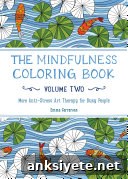 Coloring is a low-barrier, creative way to practice focused attention. Research links structured coloring activities to reduced anxiety and short-term stress relief in young adults and college students. Typical coloring worksheets include mandalas, nature scenes, and movement-inspired pages that invite reflection and mindful focus.
Child-oriented coloring sheets pair imagery with prompts to notice breath, sights, and bodily sensations. Examples include mandala patterns, “Look Out the Window” observational prompts, family-celebration art, and coloring plus movement sequences that teach basic yoga poses for focus and grounding.
Worksheets for Anxiety and Stress Reduction
Mindfulness practices are effective complements to anxiety and stress treatment because they encourage acceptance, reduce avoidance, and promote flexible responding to internal states. Workbooks often combine ACT and mindfulness exercises that help readers reframe their relationship to worry.
Common anxiety-focused worksheets include:
- Symptom checklists tailored to different anxiety disorders
- “Your Life Book of Possibilities” — exercises to refocus attention on present opportunities rather than past regrets
- Centering and grounding practices that differentiate fear from anxiety and build toleration skills
- Cost–benefit analyses of avoidance behaviors to highlight consequences of safety strategies
- Child-friendly breathing and grounding worksheets such as five-finger breathing and belly breathing
Useful Worksheets for DBT Sessions
Dialectical Behavior Therapy integrates mindfulness with emotion regulation, distress tolerance, and interpersonal effectiveness. DBT worksheets often emphasize present-moment awareness as the first step in behavioral change.
Practical DBT worksheet examples include:
- REST (Relax, Evaluate, Set intention, Take action) — a reflective sequence after a challenging event
- Radical Acceptance worksheets to practice accepting situations without judgment
- Distraction planning and lists of safe, immediate coping behaviors
- Personal relaxation plans using the five senses
- Concrete steps for creating and rehearsing distraction or grounding strategies
Worksheets to Use in Cognitive-Behavioral Therapy
 Mindfulness is often combined with CBT to support awareness of thought patterns and to create space between automatic reactions and intentional choices. CBT-friendly worksheets include core-belief identification, questions for challenging unhelpful thoughts, cognitive restructuring templates, and brief daily mindfulness logs to track practice and progress.
Worksheets for Addiction and Relapse Prevention
Relapse prevention benefits from worksheets that link emotions, situations, and automatic coping strategies. Mindfulness-based relapse prevention emphasizes awareness of cravings without acting on them and building values-driven action plans.
Useable formats include:
- Core Beliefs Suitcases — unpacking core self-beliefs that influence behavior
- Interacting With Your Emotions — mapping emotional responses in common scenarios
- Linking Feelings and Situations — identifying high-risk situations and emotional triggers
- Negative Thoughts Checklist — spotting repetitive, self-defeating thoughts and connecting them to relapse risk
- Relapse prevention planning worksheets — red flags, contact lists, distraction strategies, and coping steps
Group Mindfulness Worksheets
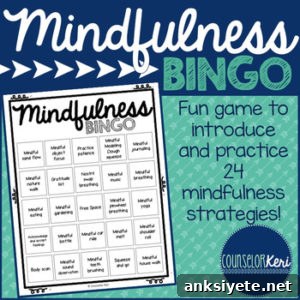 Group settings are well suited to mindfulness training because they allow peer feedback, role modeling, and shared learning. Group activities and worksheets often include:
- Mini Mindfulness Bingo — simple, engaging tasks to build daily mindful habits
- Teaching Others About Mindfulness — lesson-plan templates for older students mentoring younger peers
- Squeeze and Release — team-building exercises that use stress-relief objects to practice present moment focus
- Silent Connections — nonverbal communication activities that cultivate interpersonal mindfulness
Many handouts designed for individual therapy adapt easily to classroom or group formats with minor modifications.
Further Resources and Tools
There is a large and growing array of guided exercises, worksheets, and printable activities for clinicians, teachers, parents, and self-guided learners. Commonly used practices include:
- The Raisin Exercise (sensory-focused awareness)
- The Body Scan (systematic interoceptive attention)
- Self-Compassion Pause (brief practice to reduce self-criticism)
- 3-Step Mindfulness exercises (simple in-the-moment tools)
- Mindful Eating for Four Minutes (short guided eating practice)
Practitioners often pair these exercises with values clarification, behavioral activation, and relapse-prevention planning to create comprehensive, evidence-based support for clients.
A Take-Home Message
Living mindfully—attending to the present without judgment—has never been more valuable in our busy, digitally saturated world. Mindfulness practice helps reduce reactivity, increases clarity, and supports more intentional living. Fortunately, a wealth of structured, practical worksheets and activities exists to guide beginners and to enrich ongoing practice.
With mindfulness, you can establish yourself in the present in order to touch the wonders of life that are available in that moment.
Thich Nhat Hanh
Whether you are a clinician, teacher, parent, or someone seeking greater calm and presence, accessible worksheets and guided exercises allow you to practice and teach mindfulness with clarity and purpose.
References
- Ashlock, L. E., Miller-Perrin, C., & Krumrei-Mancuso, E. (2019). The effectiveness of structured coloring activities for anxiety reduction. Art Therapy, 35(4), 1–7.
- Blanck, P., Perleth, S., Heidenreich, T., Kröger, P., Ditzen, B., Bents, H., & Mander, J. (2018). Effects of mindfulness exercises as a stand-alone intervention on symptoms of anxiety and depression: Systematic review and meta-analysis. Behaviour Research and Therapy, 102, 25–35.
- Burdick, D. (2003). Mindfulness skills workbook for clinicians & clients: 111 tools, techniques, activities & worksheets. PESI Publishing & Media.
- Burdick, D. (2014). Mindfulness skills for kids & teens: A workbook for clinicians & clients with 154 tools, techniques, activities & worksheets. Premier Publishing & Media.
- Burke, C. A. (2009). Mindfulness-based approaches with children and adolescents: A preliminary review of current research in an emergent field. Journal of Child and Family Studies, 19, 133–144.
- Eist, H. I. (2015). Book review: Linehan, M. DBT skills training manual. The Journal of Nervous and Mental Disease, 203, 887.
- Farrarons, E. (2015). The mindfulness coloring book: Anti-stress art therapy for busy people. The Experiment.
- Fleming, J., & Kocovski, N. (2013). The mindfulness and acceptance workbook for social anxiety and shyness. New Harbinger Publications.
- Forsyth, J., & Eifert, G. (2016). The mindfulness and acceptance workbook for anxiety: A guide to breaking free from anxiety, phobias & worry using acceptance & commitment therapy. New Harbinger Publications.
- Harris, R. (2009). The complete set of client handouts and worksheets from ACT books.
- Kabat-Zinn, J. (2012). Mindfulness for beginners: Reclaiming the present moment—and your life. Sounds True, Inc.
- Linehan, M. (2015). DBT skills training handouts and worksheets. Guilford Press.
- Marlatt, G. A., & Donovan, D. M. (Eds.). (2005). Relapse prevention: Maintenance strategies in the treatment of addictive behaviors (2nd ed.). Guilford Press.
- McKay, M., Wood, J., & Brantley, J. (2019). The Dialectical Behavior Therapy skills workbook: Practical DBT exercises. New Harbinger Publications.
- Shruti, M., Uma, J., & Dinesh, N. (2018). To what extent is mindfulness training effective in enhancing self-esteem, self-regulation, and psychological well-being of school-going early adolescents? Journal of Indian Association for Child and Adolescent Mental Health, 14, 89–108.
- Simmons, C. (2016). Effects of coloring on immediate short-term stress relief (Honors thesis).
- Williams, J., Crane, C., Barnhofer, T., Brennan, K., Duggan, D. S., Fennell, M., … Russell, I. (2014). Mindfulness-based cognitive therapy for preventing relapse in recurrent depression: A randomized dismantling trial. Journal of Consulting and Clinical Psychology, 82, 275–286.