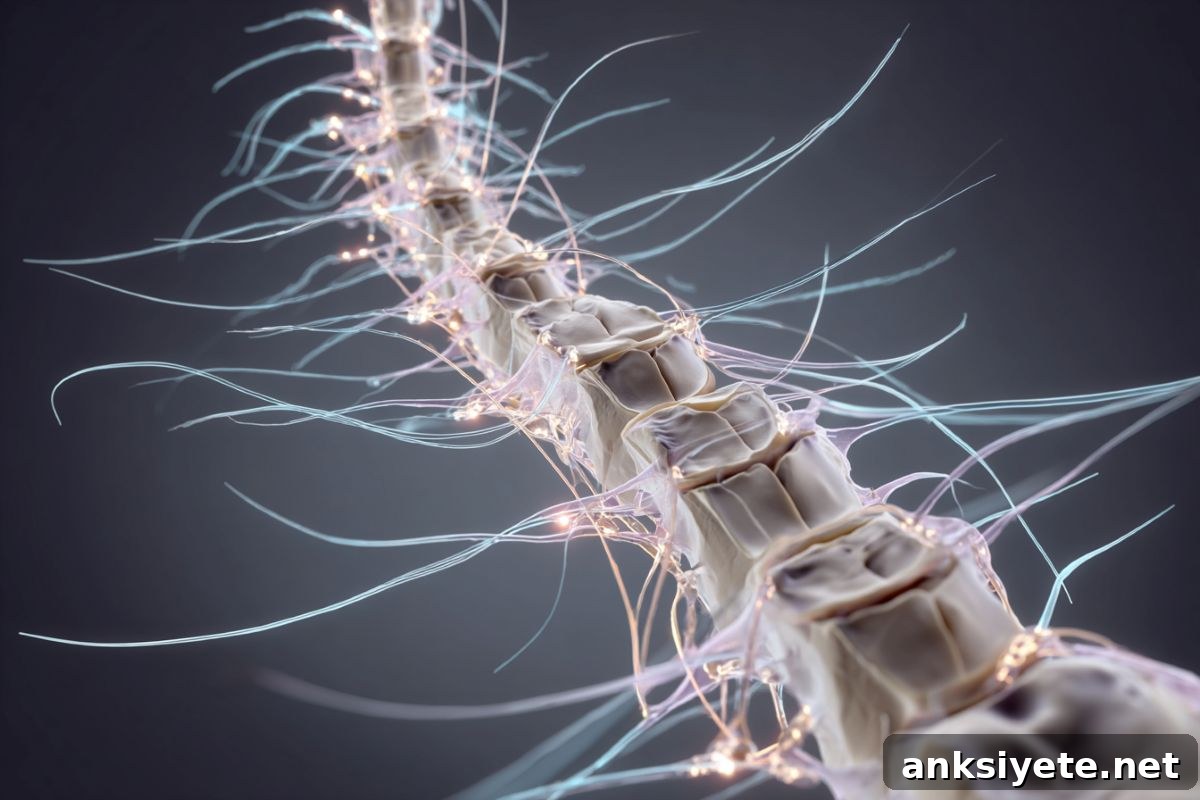
Bio-Implant Restores Function After Spinal Cord Injury
featured 114887

Summary: Spinal cord injuries have long been seen as permanent because neurons in the central nervous system do not naturally regenerate. Researchers at RCSI University of Medicine and Health Sciences have developed a novel 3D-printed implant that could change that outlook by combining a biomimetic scaffold with RNA-loaded nanoparticles to encourage nerve regrowth. The research … Read more
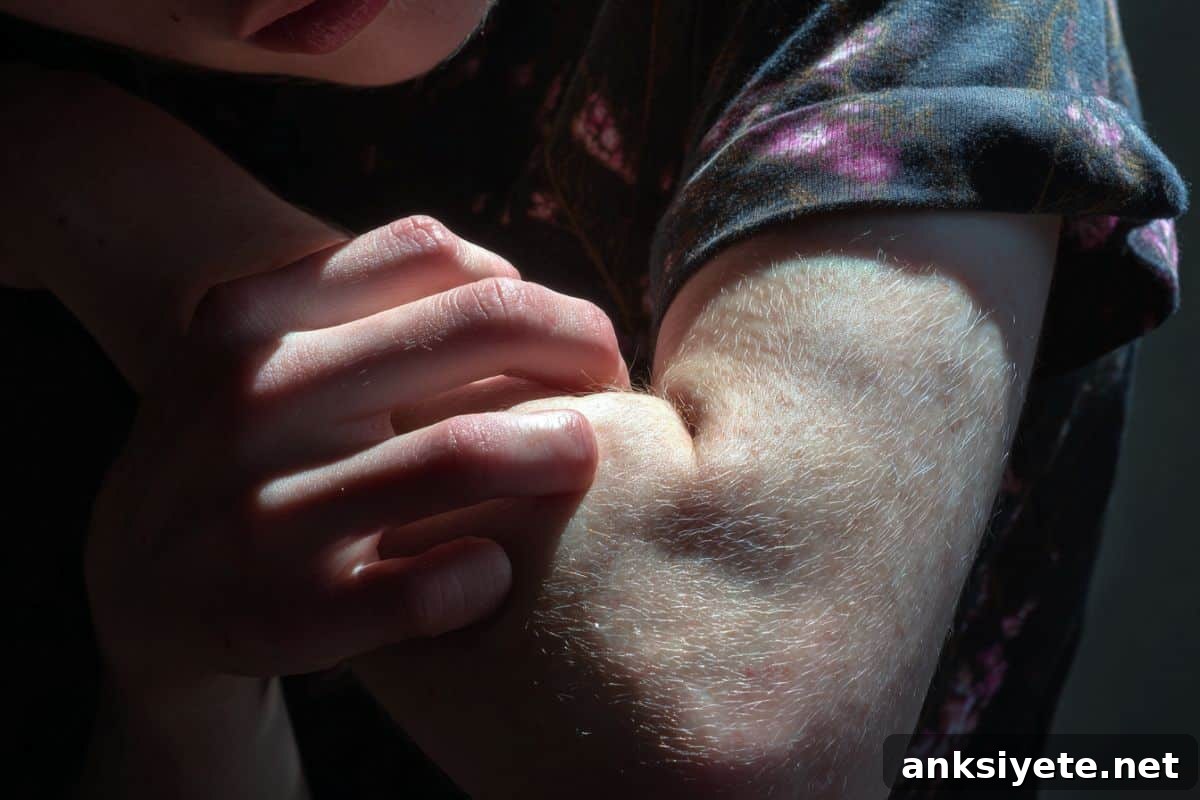
Why the Brain Tells You to Stop Scratching an Itch

featured 114871

Summary: The sense of relief when you stop scratching an itch is more than a feeling — it’s an active biological brake within the nervous system. New research identifies the TRPV4 ion channel as a central component of this feedback loop, clarifying not only how itch begins but also how the body signals that scratching … Read more

Why Brains With OCD Work Harder to Stay on Track

featured 114867

Summary: Getting dressed or making coffee may seem simple, but for people with obsessive-compulsive disorder (OCD) the brain often works much harder to keep a sequence moving without getting “stuck.” A new Brown University study finds that people with OCD perform step-by-step cognitive tasks as accurately as others, yet their brains recruit many more regions … Read more

How Your Brain Senses Cold

featured 114863

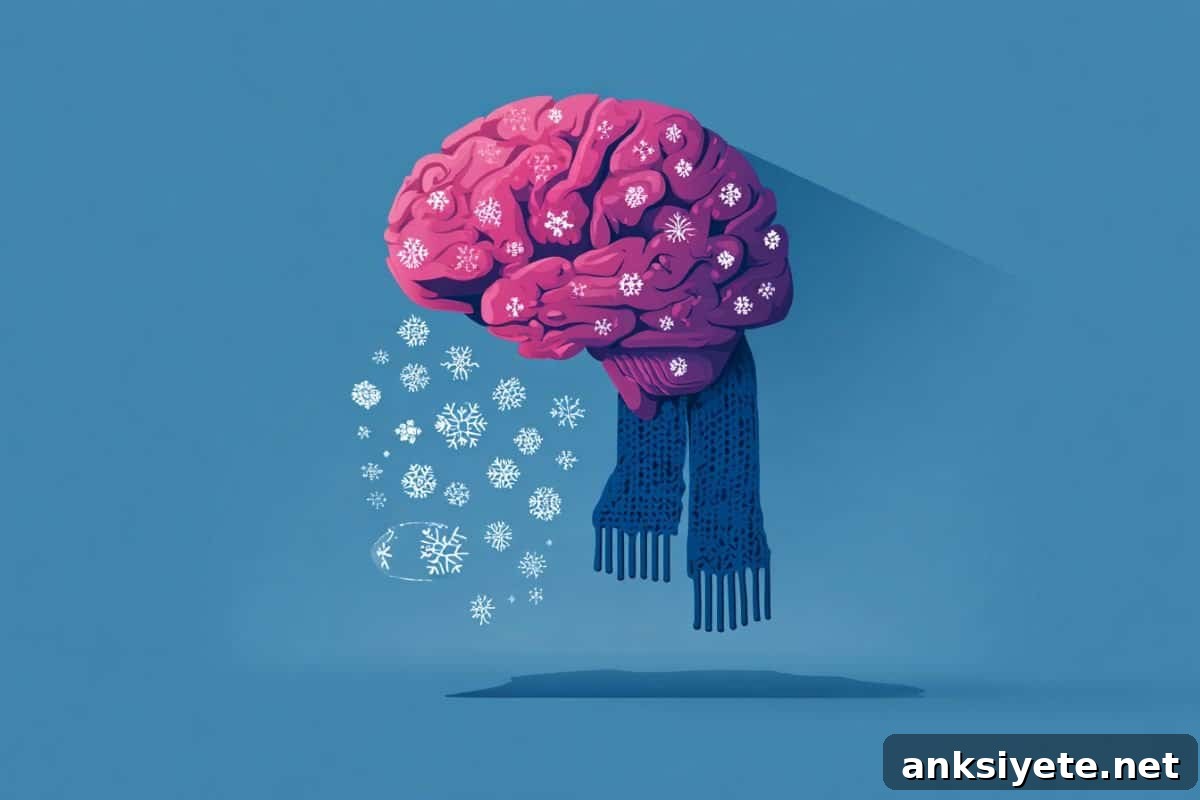
Summary: Have you ever noticed how a cold breeze or a stick of mint gum produces an unmistakable cooling sensation? Scientists have now captured the first molecular “snapshots” of TRPM8, the main cold sensor in the body. Using cryo-electron microscopy, researchers imaged this protein channel as it shifts from closed to open, revealing how it … Read more

Why the Brain Constantly Seeks Musical Harmony

featured 114858

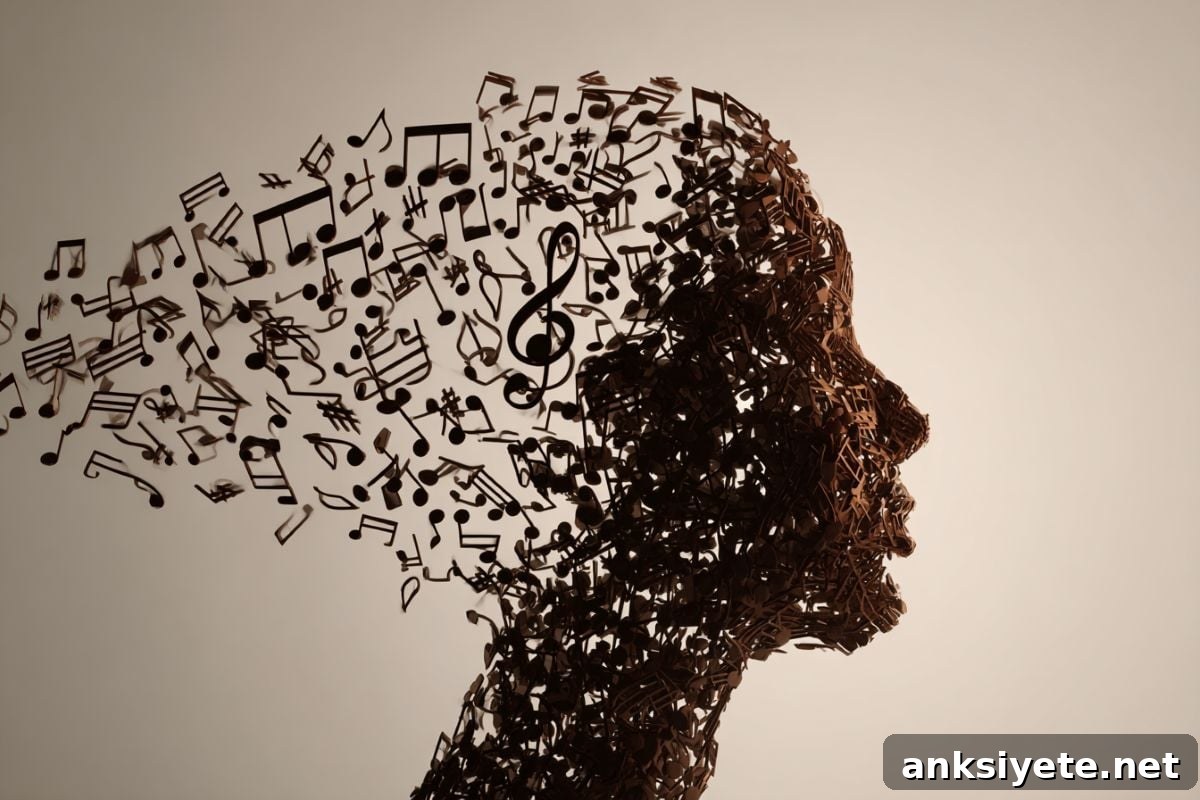
Summary: You don’t need years of formal piano lessons to understand how music works. New research shows the human brain naturally extracts complex tonal relationships from everyday listening, using surprisingly long stretches of music to form expectations about what comes next. In tests using scrambled excerpts from Tchaikovsky’s Album for the Young, both trained musicians … Read more

How Your Genes Make Music and Art Give You Chills

featured 114854

Summary: Have you ever felt a sudden shiver or goosebumps while listening to a powerful piece of music or reading a moving poem? Scientists call this the “telltale tingle” or “aesthetic chills.” A major new study shows that genetics significantly influence who experiences these intense reactions to art, music, and literature. Researchers analyzed data from … Read more

Toxic Exposure Causes Disease Across 20 Generations

featured 114850

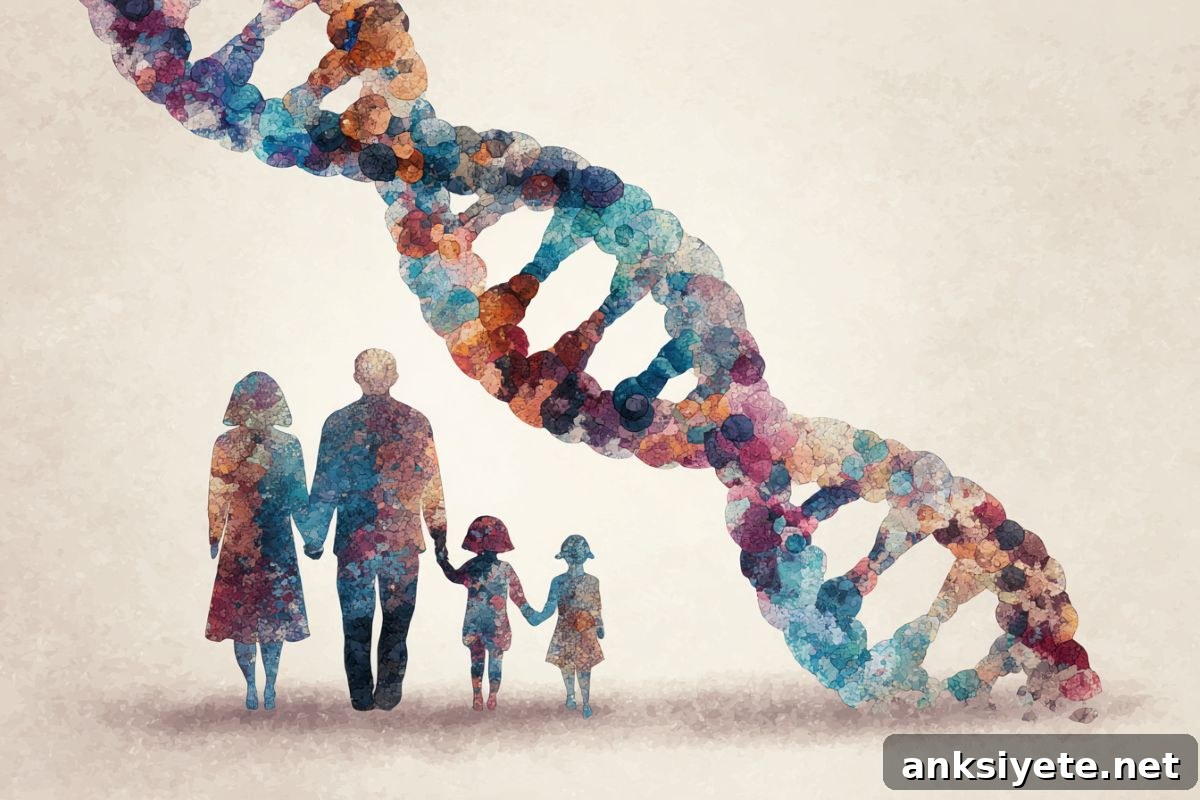
Summary: A single exposure to a widely used fungicide during pregnancy produced health effects that persisted through twenty generations in an experimental mammal model, according to a new Washington State University study. The research found inherited conditions—including kidney, prostate and reproductive disorders—that not only persisted but intensified many generations after the original exposure. By the … Read more

Why Pain Lasts Longer in Women: What Science Shows

featured 114846

Summary: Decades of clinical observation show that women experience chronic pain more often and for longer periods than men. New research identifies a biological mechanism behind this disparity: hormone-regulated immune cells called monocytes that produce interleukin-10 (IL-10), a molecule that actively signals neurons to stop sending pain signals. The study found that higher male levels … Read more

AI Rebirth: Preserve Digital Footprints as Living Legacies

featured 114838

Summary: What happens when artificial intelligence makes the dead speak again? A new, wide-ranging study examines this unsettling frontier of digital resurrection. By analyzing more than 50 real-world cases, researchers show how generative AI is transforming the voices, faces, and life stories of the deceased into reusable data and what the authors call “spectral labor.” … Read more

Teen Cannabis Use Doubles Risk of Psychosis and Bipolar Disorder

featured 114834

Summary: A large longitudinal study of more than 460,000 adolescents shows that even occasional cannabis use during the teenage years is linked to a substantially higher risk of developing serious psychiatric disorders. Participants tracked from ages 13 through 26 who reported past-year cannabis use were about twice as likely to be diagnosed with psychotic or … Read more