
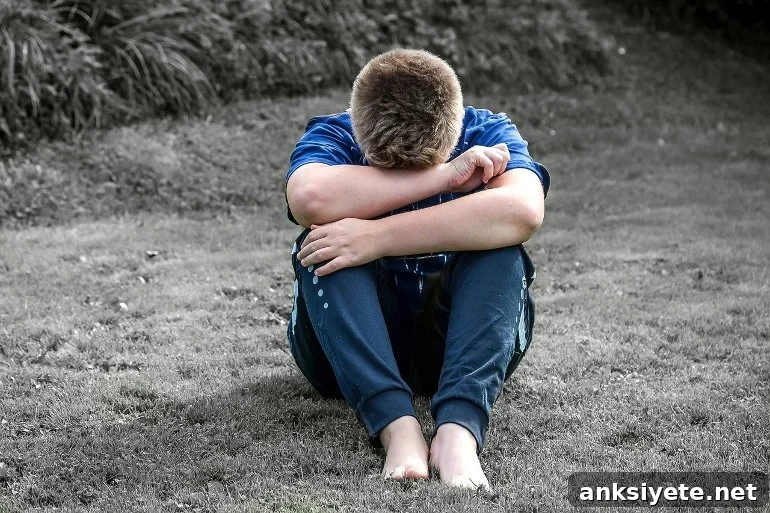
Summary: A new study distinguishes peer rejection from social network isolation in early adolescence. Children who are rejected by classmates tend to show more aggressive and less prosocial behavior, while children who are socially isolated are more likely to demonstrate withdrawn, internalizing behaviors and to expect less peer support when bullied.
Source: North Carolina State University
Researchers often treated peer rejection and social isolation as interchangeable in studies of early adolescence. New longitudinal research shows they are distinct forms of social marginalization, each linked to different behavioral and social risks.
“There are two main types of social marginalization in early adolescence,” says Kate Norwalk, lead author and assistant professor of psychology at North Carolina State University. “One group consists of children who are actively disliked by their classmates — peer rejection. The other group consists of children who do not appear to belong to any peer group — social network isolation. Our goal was to determine whether these two profiles overlap and, if not, what differing risks they pose for young adolescents.”
The study tracked 1,075 students in 5th through 7th grade, collecting data twice a year over two school years. Peer rejection was assessed by asking students to name classmates they “liked least.” Social network isolation was determined by asking students which classmates “hang out together”; children who were not named as belonging to any group were classified as isolated.
Students also provided peer nominations for a range of behaviors — including aggression, withdrawal, and prosocial actions — and reported whether they believed classmates would intervene on their behalf if they were being bullied. These measures allowed the researchers to examine both external behaviors (like bullying) and internal experiences (like feeling unsupported).
The findings reveal a clear separation between the two groups. “There was very little overlap between rejection and isolation,” Norwalk explains. “Most children who were disliked still had some peer group, and many children without a peer group were not particularly disliked by classmates.”
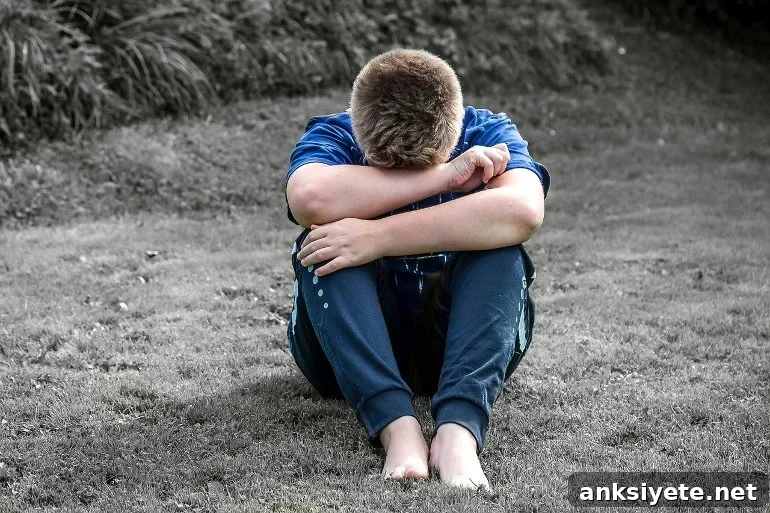
Both rejected and isolated students faced an elevated risk of victimization — they were more likely than their peers to be picked on or bullied. Beyond that shared vulnerability, the groups diverged.
Children identified as peer-rejected were more likely to display aggressive behaviors, such as bullying others and disrupting class. They were also less likely to engage in prosocial actions, including kindness and cooperative classroom behavior. In contrast, children identified as socially isolated were more prone to internalizing behaviors: shyness, withdrawal, and signs of emotional distress. Isolated children were also the group most likely to report that they would not expect peer support if they were bullied.
“Isolated children may fly under the radar because they aren’t necessarily causing trouble or acting out,” Norwalk notes. “But their internalizing behaviors can be early indicators of mental health concerns, and their lack of expectation for peer protection means they may be particularly vulnerable to unchecked bullying.”
The study underscores the need for educators, parents, and school counselors to recognize that social marginalization takes multiple forms and that each form requires different types of support. Identifying children who are isolated may require more active observation and outreach, since these students are less likely to attract attention through disruptive behavior.
Norwalk emphasizes targeted interventions: “Programs designed to reduce bullying and promote social inclusion should address both peer rejection and social isolation. Rejected students may benefit from behavioral supports that reduce aggression and build prosocial skills, while isolated students may need opportunities and encouragement to form meaningful peer connections and to access support when they face bullying.”
The research, titled “Heterogeneity of Social Marginalization in Early Adolescence: Longitudinal Associations with Behavioral and Social Adjustment,” appears in the Journal of Youth and Adolescence. Co-authors include Helen Milojevich and Jill Hamm (University of North Carolina at Chapel Hill), Molly Dawes (University of South Carolina), and Thomas Farmer (University of Pittsburgh).
Funding: The study was supported by the Institute of Educational Sciences.
About this psychology research news
Source: North Carolina State University
Contact: Matt Shipman – North Carolina State University
Image: The image is in the public domain
Original Research: Closed access. “Heterogeneity of Social Marginalization in Early Adolescence: Longitudinal Associations with Behavioral and Social Adjustment” by Kate Norwalk et al., Journal of Youth and Adolescence.
Abstract
Heterogeneity of Social Marginalization in Early Adolescence: Longitudinal Associations with Behavioral and Social Adjustment
Integration into peer groups — both formal and informal — is a central developmental task during early adolescence. As youth place greater importance on acceptance and status among peers, differences in social standing become a key indicator of social functioning. Although research has explored variation among high-status youth, less attention has been given to the heterogeneity that exists among socially marginalized adolescents.
This study examined whether two aspects of social marginalization — peer rejection and social network isolation — were distinct and whether each was differentially associated with trajectories of behavioral and social adjustment across two school years. Peer nominations assessed rejection, isolation, and behavioral outcomes (aggression, internalizing behaviors, and victimization). Participants also self-reported perceived peer protection against bullying.
Using a longitudinal sample of 1,075 early adolescents (53.0% female; 47.2% White; 27.1% African American; 12.7% Hispanic) in grades 5–7, preliminary analyses indicated little overlap between rejection and isolation at each time point. Multilevel models showed distinct associations: rejection was linked to greater peer-nominated aggression and lower prosocial behavior, while isolation was linked to greater peer-nominated internalizing behaviors. Both rejection and isolation were associated with higher peer nominations of victimization, but only isolation corresponded with lower perceptions of peer protection from bullying. These results support assessing rejection and isolation as separate forms of social marginalization in early adolescence.