New Blood Test Monitors Astronauts’ Circadian Rhythms in Minutes

featured 116268 1

Summary: Maintaining alertness during space missions or overnight shifts depends on precise biological timing. Researchers at Washington State University have developed an affordable, 15-minute paper test that lets astronauts, shift workers, and clinicians monitor internal circadian timing using a single drop of blood and a smartphone-based reader. The study presents a lateral flow test strip … Read more

Rapid Blood Test Tracks Astronauts’ Circadian Rhythm

featured 116268

Summary: Maintaining sharp cognitive performance during space missions or overnight shifts depends on knowing your internal clock. Researchers have created an inexpensive, 15-minute blood test that lets astronauts and shift workers check their circadian timing with a single drop of blood, a paper strip and a smartphone-based reader. The method is a paper-based lateral flow … Read more

Printable Artificial Neurons Communicate With Live Brain Cells

featured 116260 1

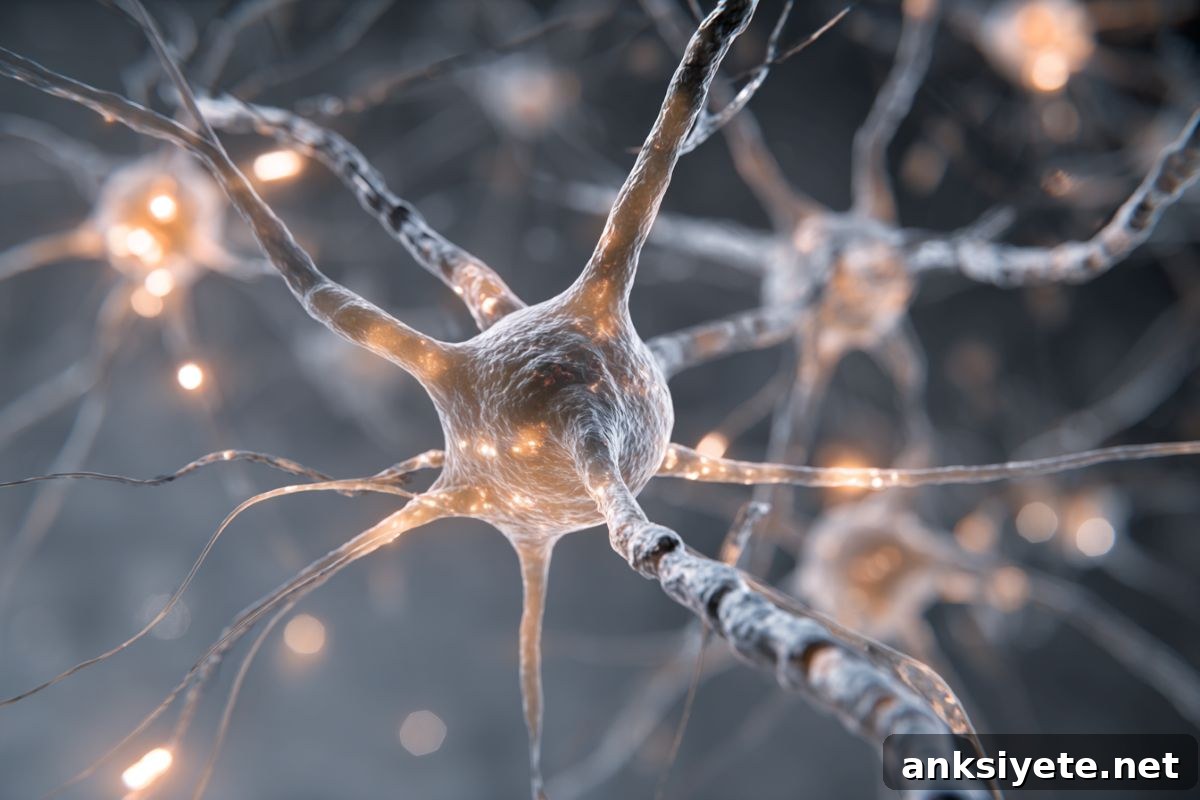
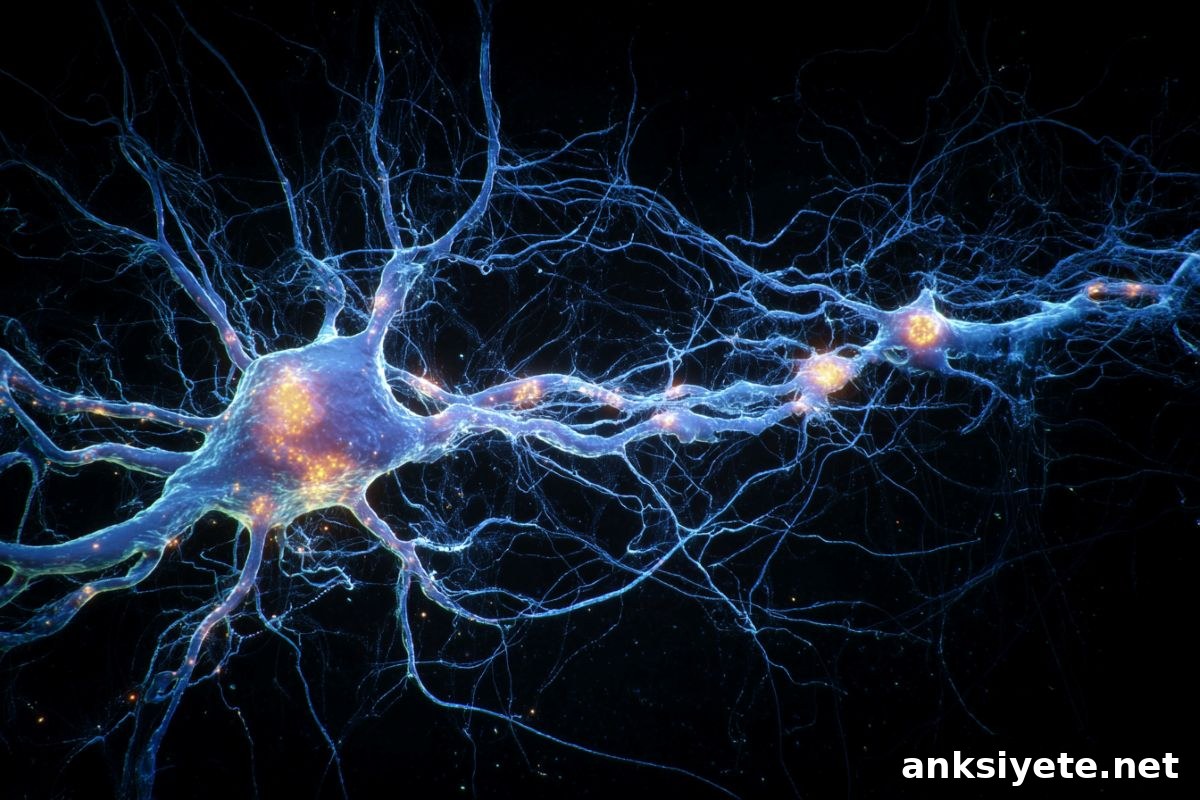
Summary: Engineers report a major advance in bio-electronics: they have printed artificial neurons capable of directly communicating with biological brain tissue. The team produced flexible, low-cost devices that generate electrical signals realistic enough to trigger responses in mouse brain slices, demonstrating a new level of biocompatibility and pointing toward improved neuroprosthetics and more energy-efficient neuromorphic … Read more

3D Printed Artificial Neurons That Talk to Living Brain Cells

featured 116260

Summary: Engineers have reached a major milestone in bio-electronics by printing artificial neurons that can directly communicate with living brain tissue. The team developed flexible, low-cost printed devices that produce electrical signals closely matching biological spikes, and these signals successfully drove responses in mouse cerebellar tissue. Unlike conventional silicon chips, these printed neurons reproduce key … Read more

Why Animals Share a Universal Communication Tempo

featured 116255 1

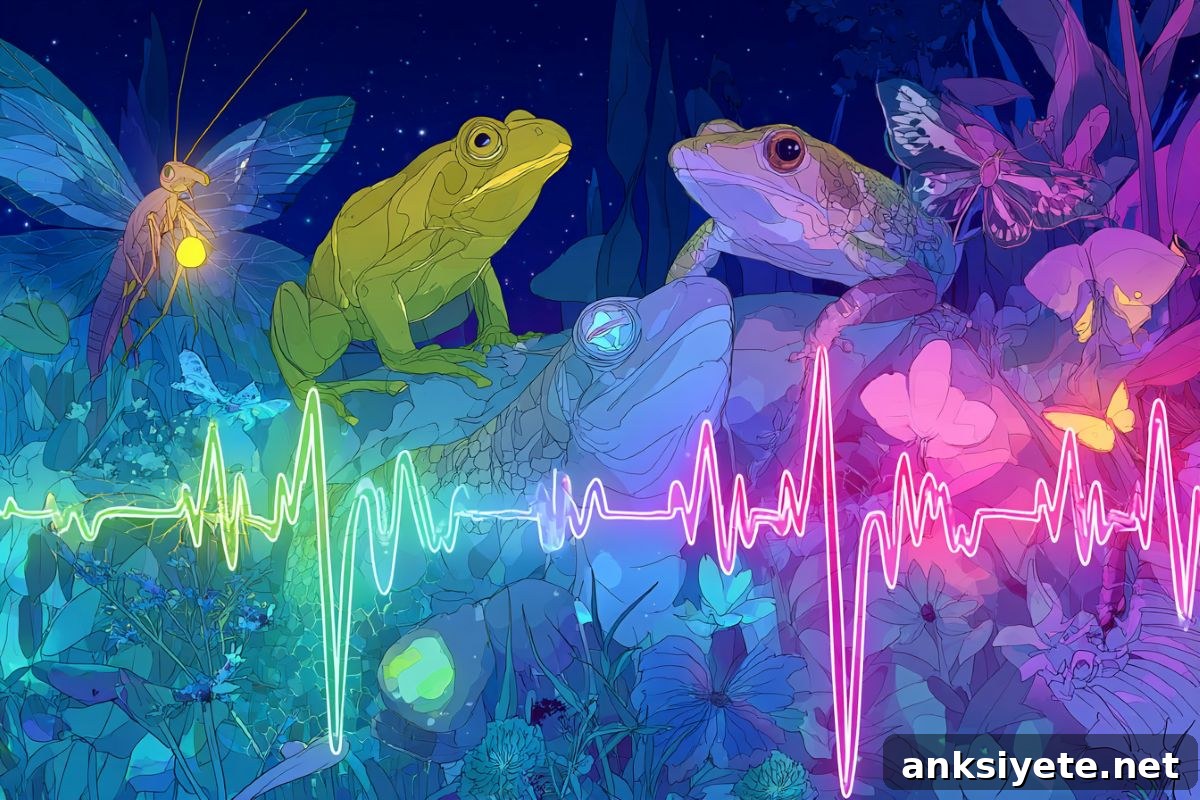
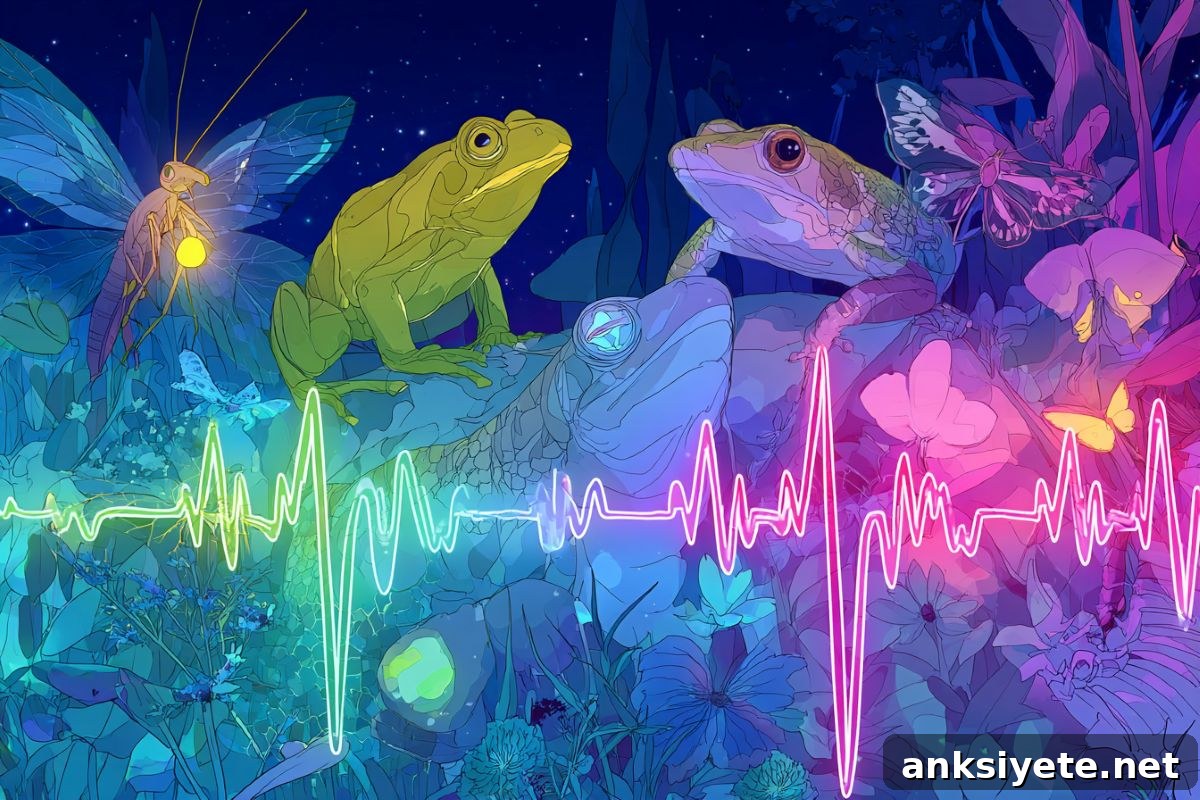
Summary: From the steady flash of fireflies to the rhythmic chirp of crickets and the pulse of modern pop songs, many natural and human-made signals share a common tempo. A recent study from Northwestern University finds that communication signals across very different species commonly repeat at about 2 hertz (two pulses per second). The researchers … Read more

Why All Animals Communicate at the Same Tempo

featured 116255

Summary: From the blinking of fireflies and the chirping of crickets to the steady pulse of pop music, many communication signals in nature appear to follow a shared rhythm. New research suggests a common tempo — close to 2 hertz (two pulses per second) — may reflect a neural preference shared across diverse species. A … Read more

New Study Upends Key Principles of Human Development Biology

featured 116251 1

Summary: New research overturns a long-standing belief: embryonic cells that form the peripheral nervous system determine their fates earlier than previously thought, committing while still inside the neural tube rather than after migration. Using a mosaic barcode approach to reconstruct the developmental lineage of adult human and animal cells, researchers found that neural crest cells … Read more

Landmark Discovery Rewrites Human Development Biology

featured 116251

Summary: New research overturns a longstanding belief that embryonic cells only choose their final roles after migrating to their destinations. By reconstructing the genetic lineage of adult cells with a “mosaic barcode” approach, scientists found that many neural crest cells — the precursors of the peripheral nervous system — commit to specific fates weeks earlier … Read more

How a 50-Millisecond Brain Filter Decodes Odors

featured 116242 1

Summary: We recognize smells almost instantly—often before we consciously notice them. New research shows that the decisive steps for odor identification occur within the first fraction of a second inside the olfactory bulb, not primarily in the cerebral cortex as previously assumed. Using a process the authors call “temporal filtering,” the brain relies on the … Read more

How Inhibitory Neurons Produce Rhythmic Movement

featured 116238 1

Summary: Traditional models of motor control treat excitatory neurons as the drivers of movement and inhibitory neurons as the brakes. New research from UC Santa Barbara reverses that expectation: a specific set of inhibitory neurons in the fruit fly central nervous system can generate and coordinate the rhythmic leg movements used for grooming. By alternately … Read more