
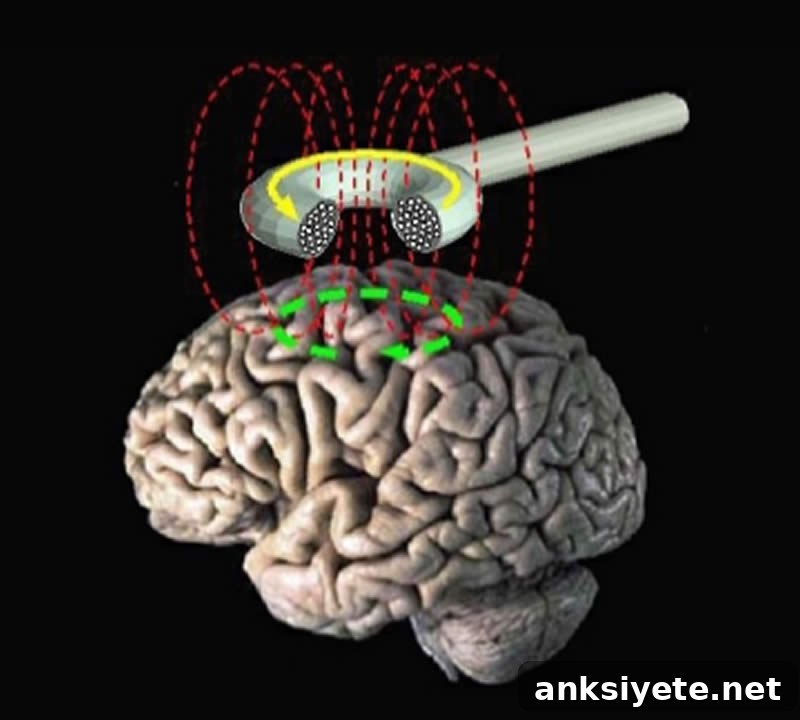
Increased brain plasticity in motor cortex distinguishes poor sleepers from good ones.
Researchers at Johns Hopkins report that adults with chronic insomnia show greater neural plasticity and heightened activity in the motor cortex—the brain region that controls voluntary movement—compared with people who sleep well. These findings suggest insomnia involves persistent changes in brain function that extend beyond nighttime sleep disturbance.
“Insomnia is not just a nighttime problem,” says Rachel E. Salas, M.D., assistant professor of neurology at the Johns Hopkins University School of Medicine and lead author of the study. “It appears to be a 24-hour brain condition, like a switch that stays on. Our results add measurable differences in brain physiology that relate to chronic insomnia.”
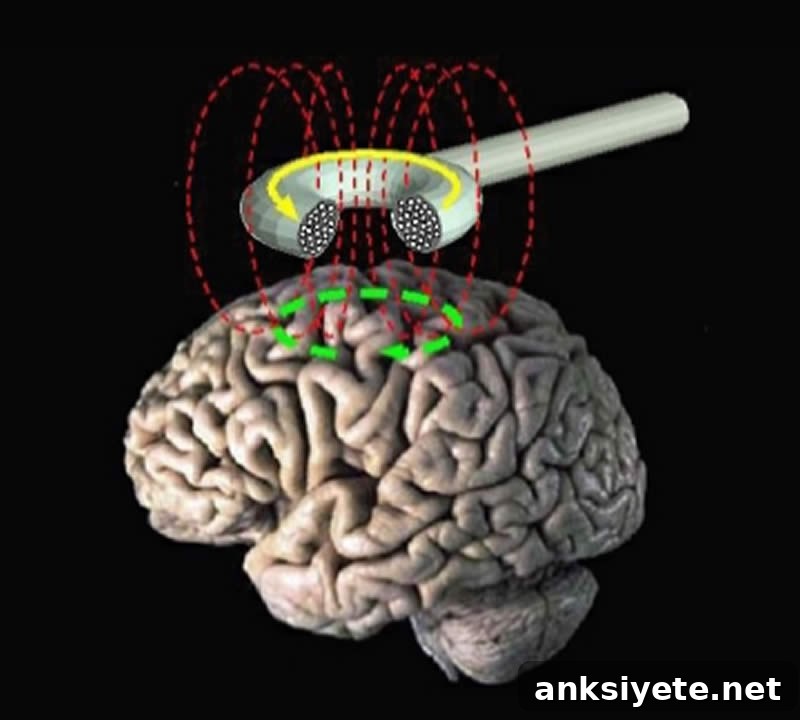
The study, published in the journal Sleep, compared 18 adults with chronic insomnia (lasting one year or longer) with 10 adults who reported no sleep problems. Using transcranial magnetic stimulation (TMS) to probe the motor cortex, the investigators measured two related properties: cortical excitability (how readily neurons respond) and use-dependent plasticity (how readily the brain adapts after short training).
Each participant wore electrodes on their dominant thumb and an accelerometer to capture thumb movement. The researchers applied a series of single TMS pulses to the motor cortex and recorded involuntary thumb twitches. After this baseline assessment, participants underwent a 30-minute retraining task that taught the thumb to move in the opposite direction of the involuntary twitch. The TMS pulses were then repeated to determine how much the involuntary movement shifted toward the newly trained direction, providing a measure of motor cortex plasticity.
Contrary to the expectation that sleep-deprived brains would learn less effectively, the team found that people with chronic insomnia showed greater use-dependent plasticity and increased cortical excitability in the stimulated motor region compared with the good-sleeping control group. In other words, the motor cortex of insomniacs was more adaptable and more easily excited than that of better sleepers.
These physiological differences support the idea that chronic insomnia involves persistent hyperarousal or heightened information processing across the day, which may interfere with the brain’s ability to transition into sleep. The cause-and-effect relationship remains unclear: increased plasticity could contribute to insomnia, result from long-term sleep disruption, or represent a compensatory adaptation to the cognitive effects of poor sleep.
Salas notes parallels with other conditions that show maladaptive increases in motor cortex plasticity, such as dystonia (a movement disorder) and chronic phantom limb pain after amputation, where excessive plasticity can have detrimental effects. She suggests that chronic arousal markers associated with insomnia—elevated metabolic activity, higher cortisol, and persistent worry—might be linked to the altered plasticity observed in this study.
The study also highlights a key clinical challenge: diagnosing insomnia currently relies on patient self-report, and there is no single objective test or universally effective treatment. By demonstrating measurable differences in motor cortex physiology, this research raises the possibility that tools like TMS could assist in objective diagnosis and might even offer a therapeutic approach by reducing cortical excitability in targeted regions.
While these findings are promising, Salas emphasizes that further research is needed to determine whether modifying motor cortex excitability can improve sleep and whether similar changes occur in other brain regions involved in sleep regulation and cognitive function.
Notes about this neurology and insomnia research
The study received support from the National Institutes of Health’s National Institute of Child Health and Human Development (R01 HD053793) and the National Institute of Arthritis and Musculoskeletal and Skin Diseases (R01AR054871 and R01AR059410). Other Johns Hopkins investigators on the project include Joseph M. Galea, Ph.D.; Alyssa A. Gamaldo, Ph.D.; Charlene E. Gamaldo, M.D.; Richard P. Allen, Ph.D.; Michael T. Smith, Ph.D.; Gabriela Cantarero, Ph.D.; Barbara D. Lam; and Pablo A. Celnik, M.D.
Contact: Stephanie Desmon – Johns Hopkins Medicine
Source: Johns Hopkins Medicine press release
Image Source: Image credited to Eric Wassermann, M.D./NIH/NINDS; public domain.
Original Research: Abstract for “Increased Use-Dependent Plasticity in Chronic Insomnia” by Rachel E. Salas, M.D., et al., published in Sleep (doi:10.5665/sleep.3492).