RLS May Nearly Triple Suicide and Self-Harm Risk

featured 59043

Restless Legs Syndrome Linked to Much Higher Risk of Suicide and Self-Harm, Large Study Finds Summary: New research indicates that restless legs syndrome (RLS) is associated with a substantially increased risk of suicide and self-harm. Source: Penn State Key finding: A large, claims-based study led by Penn State researchers found that people diagnosed with restless … Read more

New Study Reveals Why Alzheimer’s Disrupts Sleep

featured 13589

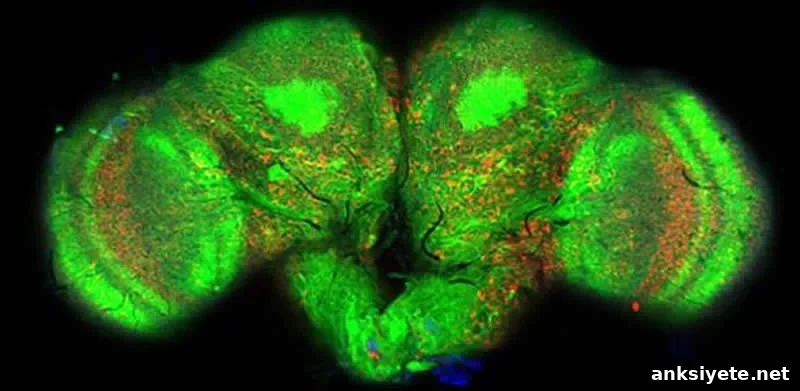
New research using fruit flies expressing an Alzheimer’s-related protein shows the disease does not stop the internal biological clock from running, but it does disconnect that clock from the sleep–wake cycle it normally controls. These findings could point to more effective ways to restore healthier sleep patterns in people living with Alzheimer’s disease. Disrupted sleep—staying … Read more

Why Young People Are Turning to AI for Mental Health Support

featured 117687

Summary: New research uncovers a pressing safety and policy paradox in campus healthcare: college students experiencing significant mental health crises are disproportionately turning to generative artificial intelligence for emotional support. This pattern raises urgent questions about care quality, crisis detection, and institutional responsibility. Using data from the 2024–2025 Healthy Minds Study, researchers found that roughly … Read more

Study Shows Brain Stimulation Improves Memory

featured 15928

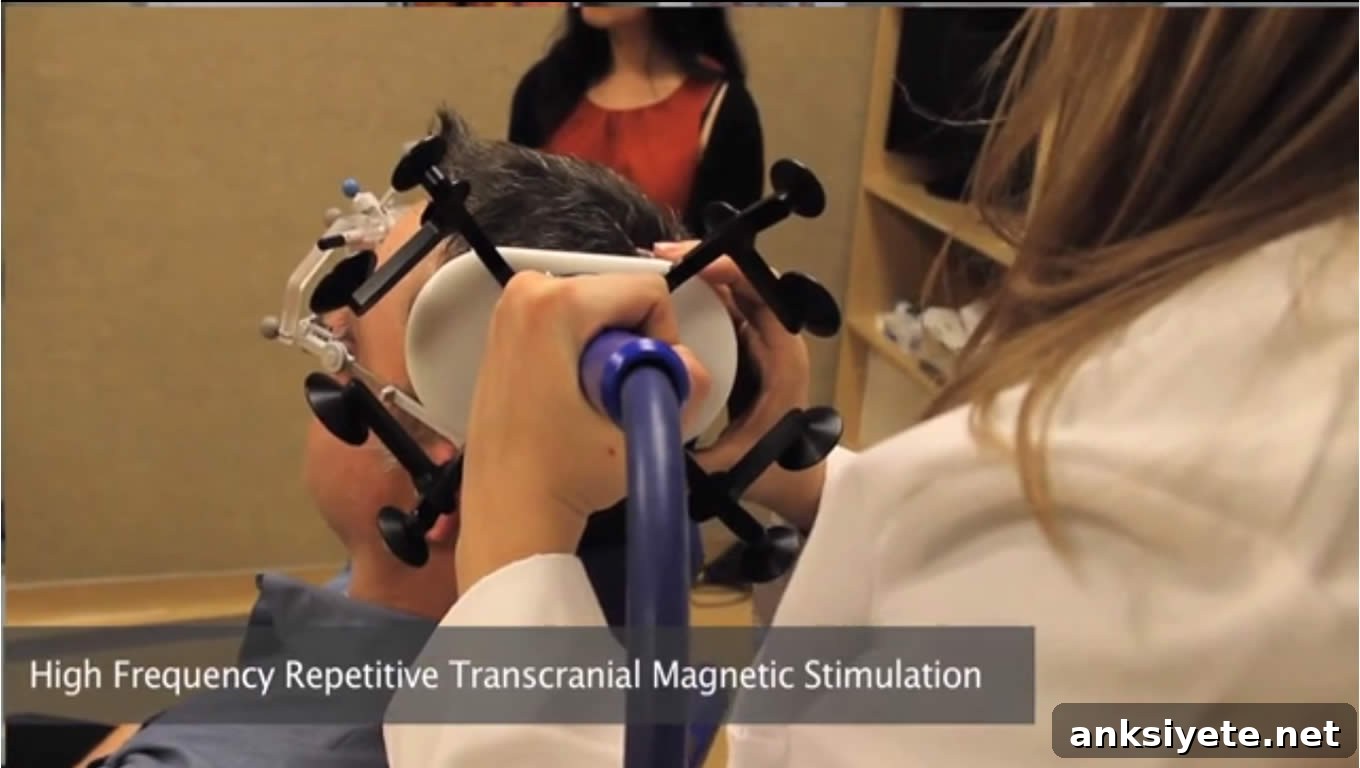
Discovery may help treat memory disorders resulting from stroke, Alzheimer’s and brain injury. A Northwestern Medicine study finds that stimulating a specific brain region with noninvasive electrical pulses delivered by Transcranial Magnetic Stimulation (TMS) can improve memory. This targeted stimulation enhances the coordination of brain regions connected to the hippocampus and led to measurable gains … Read more

How Genocide Alters Empathy for Rival Groups Across Generations

featured 87640

Summary: Children of both perpetrators and survivors of genocide show the same ingroup empathy biases as their parents, despite not having lived through the violence themselves. This inherited bias may help explain why intergroup conflicts persist across generations. The study also indicates that both survivors and perpetrators find it hard to relinquish intergroup biases after … Read more

Why Speaking Activates Both Sides of the Brain

featured 13114

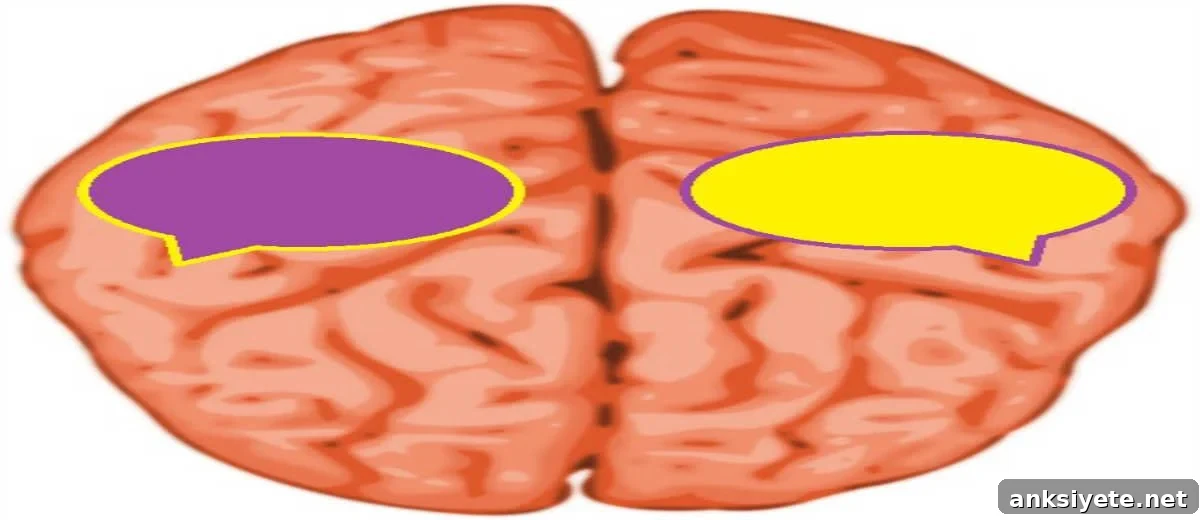
Researchers at New York University and NYU Langone Medical Center report that speech production engages both hemispheres of the brain, overturning long-held assumptions about lateralization and offering new directions for treating speech impairments after stroke or injury. “Our findings upend what has been universally accepted in the scientific community—that we use only one side of … Read more

Fecal Transplants Rejuvenate Aging Markers, Study Shows

featured 82489

Summary: Transplanting fecal microbiota from young mice into older mice reversed key markers of aging in the gut, brain, and eye. In contrast, transferring microbes from aged animals into young mice triggered brain inflammation and reduced a protein important for normal vision. Source: University of East Anglia Fecal microbiota transplantation (FMT) — sometimes dismissed as … Read more

New Strategy Improves Brain Drug Delivery

featured 7204

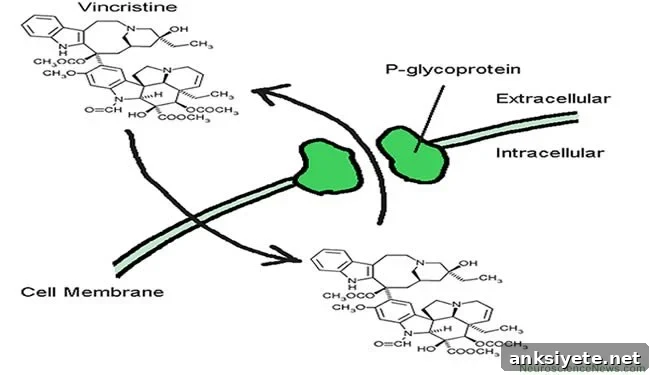
NIH researchers use rodent study to uncover novel approach to improve drug delivery to the brain Researchers at the National Institute of Environmental Health Sciences (NIEHS), part of the National Institutes of Health, have identified a promising strategy to increase delivery of small therapeutic agents to the central nervous system. Using laboratory rats, the team … Read more

Simple Blood Test Detects Early Alzheimer’s

featured 19899

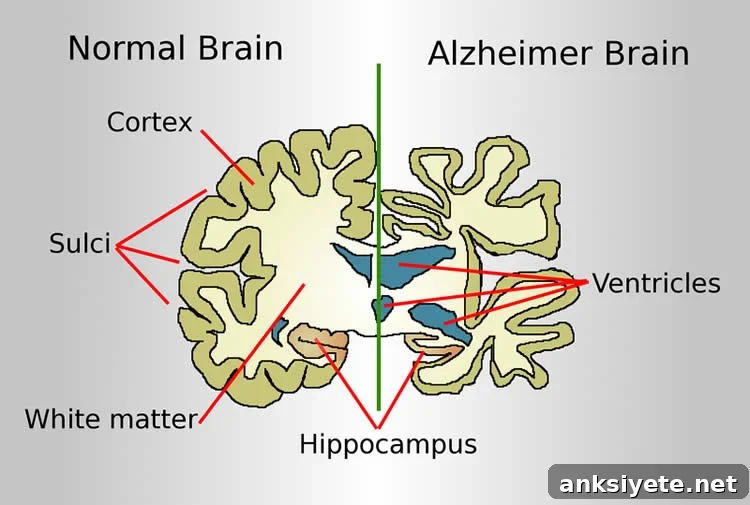
By the time most people receive a diagnosis of Alzheimer’s disease—based on clinical signs of cognitive decline—their brains have often experienced a decade or more of progressive damage. Although the exact mechanisms that drive neuronal loss in Alzheimer’s are not fully resolved, two well-established features of the disease are accumulation of the amyloid-β peptide (the … Read more

New Study Reveals How Zika Virus Impairs Fetal Brain Development

featured 34165

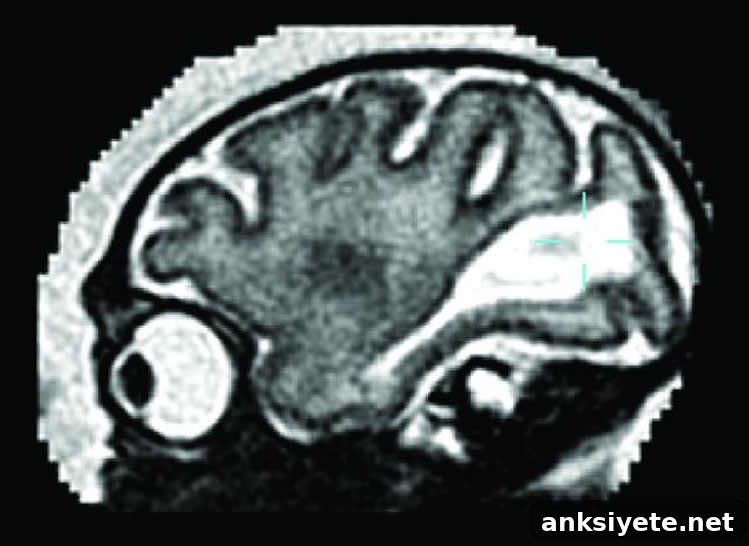
Summary: Researchers have experimentally documented abnormal fetal brain development after a pregnant primate contracted the Zika virus, providing an important model for testing prenatal therapies. Source: UW Medicine Findings could lead to new ways to test prenatal therapies to protect babies For the first time, scientists have experimentally demonstrated abnormal fetal brain development following Zika … Read more