
NIH researchers use rodent study to uncover novel approach to improve drug delivery to the brain
Researchers at the National Institute of Environmental Health Sciences (NIEHS), part of the National Institutes of Health, have identified a promising strategy to increase delivery of small therapeutic agents to the central nervous system. Using laboratory rats, the team demonstrated a way to transiently reduce the activity of P-glycoprotein, a key transporter at the blood-brain barrier that normally pumps many drugs out of the brain and limits their therapeutic effectiveness.
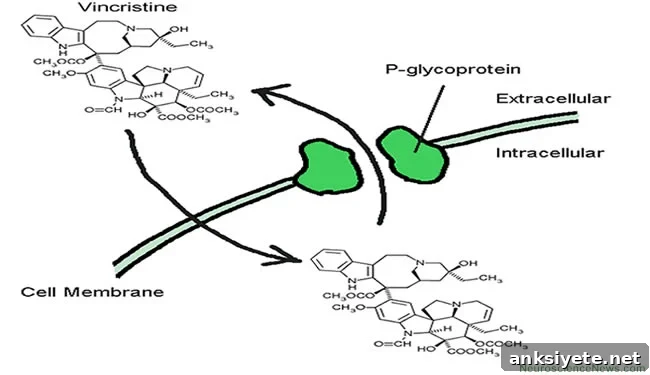
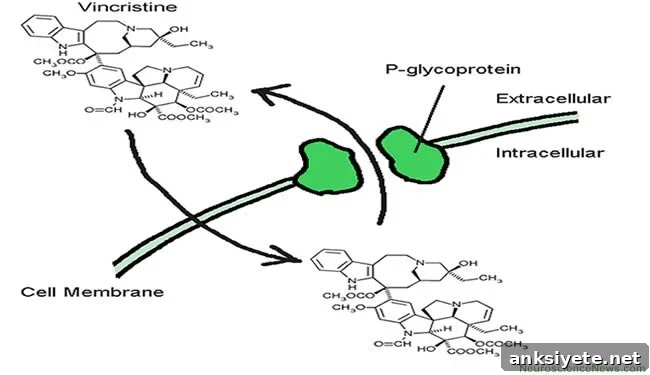
The blood-brain barrier is a highly selective physiological barrier that protects the brain from toxins and pathogens, but it also prevents many drugs from reaching their targets inside the central nervous system. One of the main components of this barrier is P-glycoprotein (P-gp), an active transporter that recognizes and removes a wide range of xenobiotics and pharmaceuticals. Because P-gp limits the brain concentration of many potentially beneficial compounds, finding safe ways to modulate its activity is an important goal for treating neurological diseases.
To address this challenge, the NIEHS team used a two-part experimental approach. First, they treated isolated rat brain capillaries with fingolimod, a drug approved for multiple sclerosis and marketed under the name Gilenya. In the capillaries, fingolimod activated a specific sphingolipid signaling pathway within the blood-brain barrier. Activation of this pathway produced a rapid, reversible suppression of basal P-glycoprotein transport activity.
Next, the researchers administered fingolimod to live rats before giving three different drugs that are normally recognized and exported from the brain by P-glycoprotein. Following fingolimod pretreatment, P-gp transport activity dropped significantly and brain uptake of each test drug increased markedly—by roughly threefold to fivefold. These results indicate that modulating sphingolipid signaling at the blood-brain barrier can improve delivery of multiple small-molecule therapeutics to the brain in this animal model.
David Miller, Ph.D., head of the Laboratory of Toxicology and Pharmacology at NIEHS and leader of the study, emphasized the potential clinical significance of the findings: “Many promising drugs fail because they cannot cross the blood-brain barrier sufficiently to provide a therapeutic dose to the brain. We hope our new strategy will have a positive impact on people with brain disorders in the future.”
Ronald Cannon, Ph.D., a staff scientist in the Miller laboratory and the paper’s first author, described the next scientific questions the team plans to pursue. The study established that sphingolipid signaling can switch off P-glycoprotein activity, but the molecular details of that switch remain unclear. Cannon used a simple analogy: turning off a light switch physically stops the flow of electricity to a bulb, but for P-gp the mechanism could involve recruiting another protein to bind the pump, altering the pump’s energy source, chemically modifying the transporter, or changing its structure. Identifying the exact mechanism will be critical for designing targeted, safe interventions that transiently reduce P-gp activity to improve drug delivery.
The investigators note that the approach could be broadly relevant to a range of central nervous system conditions where drug delivery is a major limitation, including traumatic brain and spinal cord injury, brain tumors, epilepsy, and neurological complications of infections such as HIV. Because the effect observed in this study was rapid and reversible in rats, the strategy raises the possibility of temporarily opening a window during which therapeutic drugs can reach effective concentrations in the brain, while minimizing prolonged disruption of the blood-brain barrier’s protective functions.
While these preclinical results are encouraging, the authors caution that additional research is needed. Important next steps include defining the precise biochemical events that suppress P-glycoprotein, testing safety and efficacy across more drug classes and disease models, and determining whether similar modulation can be achieved safely in humans. Translating an experimental rodent finding into a clinical therapy requires careful, stepwise investigation to ensure patient safety and therapeutic benefit.
Overall, this work introduces a new way of thinking about drug design and delivery for central nervous system disorders: rather than only trying to design drugs that evade efflux transporters, researchers may be able to transiently and selectively modulate transporter signaling to improve brain access. The approach offers a potential path forward for many therapeutics that are currently limited by the blood-brain barrier.
Notes about this brain research
Contact: Robin Arnette – National Institute of Environmental Health Sciences
Source: The National Institute of Environmental Health Sciences press release
Image Source: P-glycoprotein image adapted from a public domain image by Ky pharmacy1983 (Own work) via Wikimedia Commons.
Original Research: Abstract for “Targeting blood-brain barrier sphingolipid signaling reduces basal P-glycoprotein activity and improves drug delivery to the brain” by Ronald E. Cannon, John C. Peart, Brian T. Hawkins, Christopher R. Campos and David S. Miller in Proceedings of the National Academy of Sciences, published online 4 September 2012, doi:10.1073/pnas.1203534109