Smoking Rates Decline in People With Major Depression and SUD

featured 82285

Summary: Analysis of nationally representative U.S. survey data shows large declines in cigarette smoking from 2006 to 2019 among adults with major depression, substance use disorders, or both—evidence that tobacco prevention and cessation efforts are reaching populations at higher risk for nicotine dependence. Source: NIH New research published in JAMA reports sizable reductions in cigarette … Read more

Human Neural Stem Cells Restore Cognition After Chemotherapy

featured 19343

UCI study reveals how they alleviate ‘chemobrain’ after cancer treatments. Researchers at the University of California, Irvine report encouraging preclinical results showing that human neural stem cell transplantation can reverse learning and memory deficits caused by chemotherapy, a condition commonly known as “chemobrain.” This work demonstrates that stem cell interventions delivered after treatment can restore … Read more

How Scientists Reconstruct Mental Images From Brain Activity

featured 81232

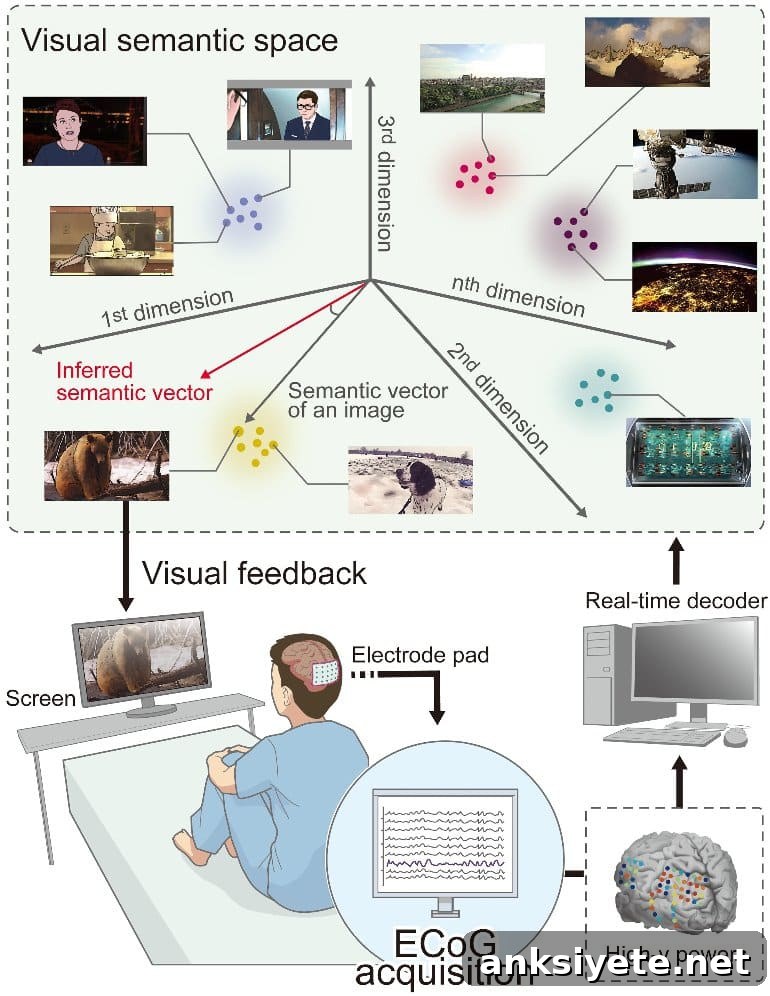
Summary: Using electrocorticogram (ECoG) recordings to capture brain-wave patterns, researchers demonstrated that the semantic category of a mentally imagined image can be inferred from those patterns, even when the imagined content conflicts with what the person is actually viewing. Source: Osaka University Researchers in Japan report that a person’s mental image can be decoded from … Read more

Why Adults Sleep Better When Sharing a Bed

featured 83507

Summary: Adults who usually share a bed with a romantic partner report better sleep and improved mental health measures than those who sleep alone. The study found bed-sharing with a partner was linked to lower insomnia severity, reduced fatigue, longer sleep duration, and lower scores for depression, anxiety, and stress. In contrast, sharing a bed … Read more

New Study Reveals How to Reset an Addicted Brain

featured 9390

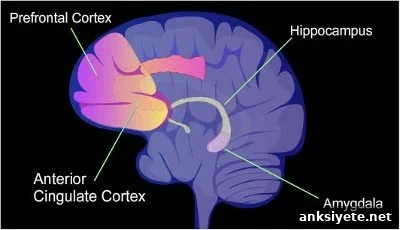
Targeted stimulation of the brain’s prefrontal cortex shows promise as a treatment for addiction Could treating drug addiction one day be as direct as switching activity on or off in a targeted brain region? New research in rats indicates that stimulating the prefrontal cortex can reduce compulsive cocaine-seeking behavior, pointing to a potential strategy for … Read more

New Study Warns of a Looming Parkinson’s Disease Pandemic

featured 53957

Summary: A recent review finds that demographic shifts and by-products of industrialization are driving a growing global burden of Parkinson’s disease. Source: IOS Press. For most of human history, Parkinson’s disease (PD) was an uncommon condition. Today, however, demographic changes and environmental exposures associated with industrialization are creating what experts describe as a potential Parkinson’s … Read more

How Protein Accumulation Drives Alzheimer’s Progression

featured 101526

Summary: Researchers at Tokyo Metropolitan University have identified a mechanism that links loss of axonal mitochondria to harmful protein accumulation in neurons — a signature feature of neurodegenerative diseases such as Alzheimer’s and ALS. Using Drosophila (fruit flies), the team traced this effect to dysregulation of the translation initiation factor eIF2β, and showed that restoring … Read more

Psychedelic Microdosing: How It Can Improve Mental Health

featured 79031

Summary: Microdosing psychedelics such as LSD and psilocybin is associated with reduced symptoms of depression and anxiety and with improved overall wellbeing. Source: University of British Columbia An international team led by researchers at UBC Okanagan reports that repeated, low-dose use of psychedelics—commonly called microdosing—may offer meaningful relief for people experiencing anxiety and depression. Published … Read more

How to Fall in Love with Music

featured 92044

Summary: Researchers describe how an interactive music listening device and music-based activities can support social, emotional, and sensory development in children on the autism spectrum. Source: University of Delaware Inside a colorful sensory room equipped with soft lighting, fiber-optic curtains, and a vibrating haptic chair, familiar children’s songs such as “Row, Row, Row Your Boat” … Read more

Study Reveals 10 Distinct Diseases in Childhood Brain Tumors

featured 43778

Summary: A large integrated meta-analysis reveals that aggressive childhood brain tumours currently grouped together can be divided into at least ten distinct molecular subtypes. These findings have major implications for diagnosis, prognosis and the development of targeted, individualized treatments. Source: Institute of Cancer Research Childhood High-Grade Brain Tumours Are Ten Distinct Diseases, Study Finds Researchers … Read more