Certain Gene Variants Raise Bipolar Disorder Risk
featured 53345

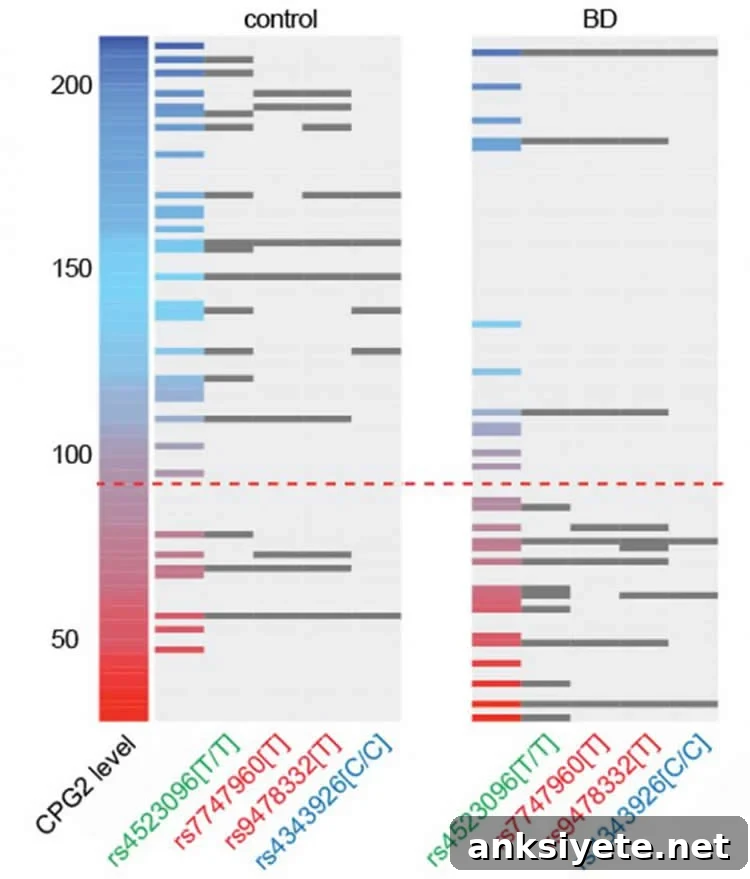
Summary: Researchers at MIT report that the synaptic protein CPG2 is markedly reduced in the brains of people with bipolar disorder (BD). They further show that specific genetic variants in the SYNE1 gene impair CPG2 expression or function. The work links molecular changes at excitatory synapses to genetic risk for bipolar disorder and may guide … Read more
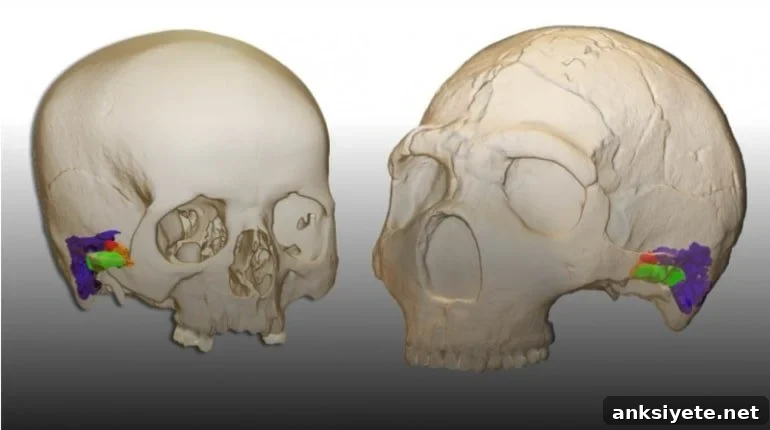
Neanderthals Could Hear and Speak Like Modern Humans

featured 72026

Summary: New research shows Neanderthals had auditory and vocal capacities comparable to modern humans, enabling them to perceive and produce human speech. Source: Binghamton University Neanderthals — the closest extinct relatives of modern humans — had the hearing and vocal capabilities necessary for human-like speech, according to a new multidisciplinary study that includes researchers from … Read more

Hydroxychloroquine Slows Disability in Progressive MS

featured 79938

Summary: Hydroxychloroquine appears to slow some measures of disability progression in people with primary progressive multiple sclerosis, according to a University of Calgary study. Source: University of Calgary Researchers at the University of Calgary report encouraging early results for hydroxychloroquine, a widely available generic medication, when used to treat disability progression in primary progressive multiple … Read more

Rapamycin Linked to Increased Alzheimer’s Plaques in Mice

featured 83516

Summary: Rapamycin, a drug approved for cancer and transplant patients, increases amyloid-beta plaques in the brains of an Alzheimer’s disease mouse model. Source: UT San Antonio Researchers at The University of Texas Health Science Center at San Antonio (UT Health San Antonio) report that oral rapamycin raises levels of beta (β)-amyloid protein plaques in a … Read more

How Happiness Shaped Human Brain Evolution

featured 68974

Summary: New research identifies an unexpected developmental role for serotonin in human neocortex formation. Serotonin functions outside cells as a growth factor for basal progenitors in the developing human neocortex, and placenta-derived serotonin may have contributed to the evolutionary enlargement of the human neocortex. Source: Max Planck Society Throughout human evolution the brain increased in … Read more

Mapping the Developing Brain: Imaging Methods and Key Findings

featured 75135

Summary: Researchers combined single-cell and spatial genomic technologies to assemble a high-resolution molecular atlas of the developing mouse cerebral cortex. Source: Harvard Teams at Harvard University and the Broad Institute of MIT and Harvard have produced the first comprehensive, single-cell-resolution atlas of a key region of the developing mouse brain. Focusing on the somatosensory cortex … Read more

Low-Dose Ketamine Delivers Rapid Relief for Depression

featured 106176

Summary: Researchers at the University at Buffalo have pinpointed how low-dose ketamine relieves depressive symptoms by selectively binding to specific sites on NMDA receptors. Unlike the anesthetic action seen at higher doses, low-dose ketamine lodges in lateral, membrane-accessible grooves on the receptor, subtly reducing tonic NMDA activity, boosting excitatory transmission, and triggering synaptic strengthening. These … Read more

Face-Like Objects Capture More Attention Than Human Gaze

featured 111936

Summary: Seeing faces in everyday objects—known as face pareidolia—provokes a strong attentional response, a new study finds. Researchers compared how people respond to real averted gazes versus imagined gazes created by face-like objects and discovered that both types of cues attract attention, but they do so through different perceptual mechanisms. Real faces guide attention using … Read more

How Parental Emotional Investment Boosts Children’s Success

featured 34048

Summary: Researchers report that children whose parents are emotionally available show stronger early cognitive control and may be better positioned for future success. Source: Frontiers Study finds emotionally invested parents help preschool children develop executive functions linked to later success A recent study published in Frontiers in Human Neuroscience shows that preschool children whose parents … Read more

Dementia Diagnoses Drop as More People Live Longer With It

featured 110381

Summary: A large population study of more than 25 million traditional Medicare beneficiaries shows a complex shift in dementia patterns in the United States: annual new diagnoses have declined, but the total number of older adults living with dementia has increased. Between 2015 and 2021, age- and sex-adjusted incidence dropped from 3.5% to 2.8%, while … Read more