
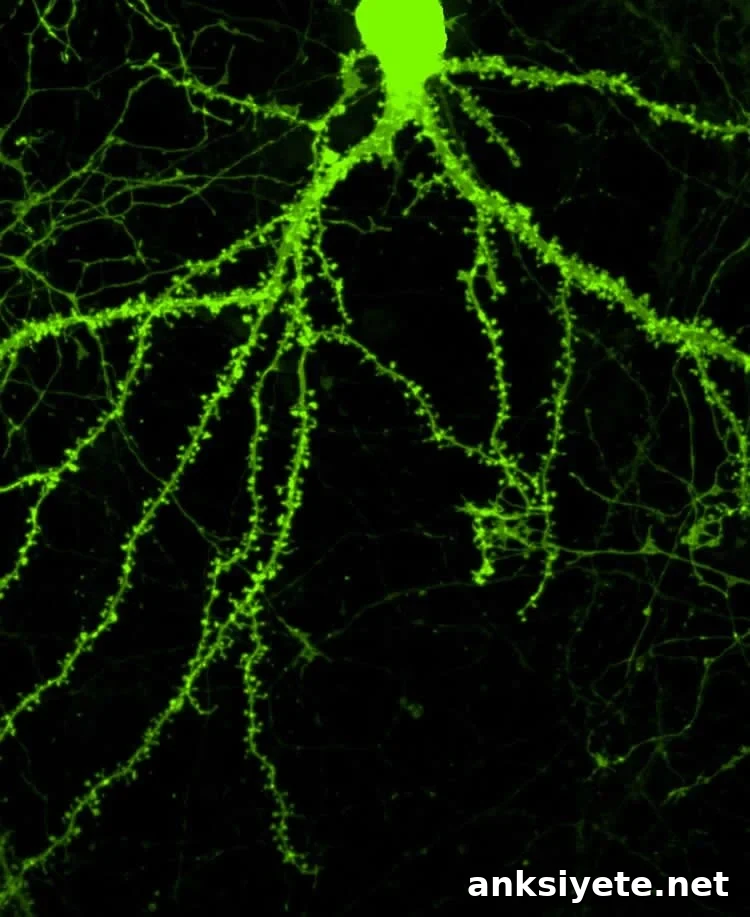
Novel molecules spur growth of neuronal structures linked to memory
Chemists at the University of California San Diego have developed a new class of small molecules that trigger anatomical changes in neurons involved in memory formation and retention. These promising compounds increase the number of dendritic spines—tiny, thornlike protrusions on neuron branches that receive synaptic input—and protect those spines from the damaging effects of amyloid-beta, a peptide associated with Alzheimer’s disease.
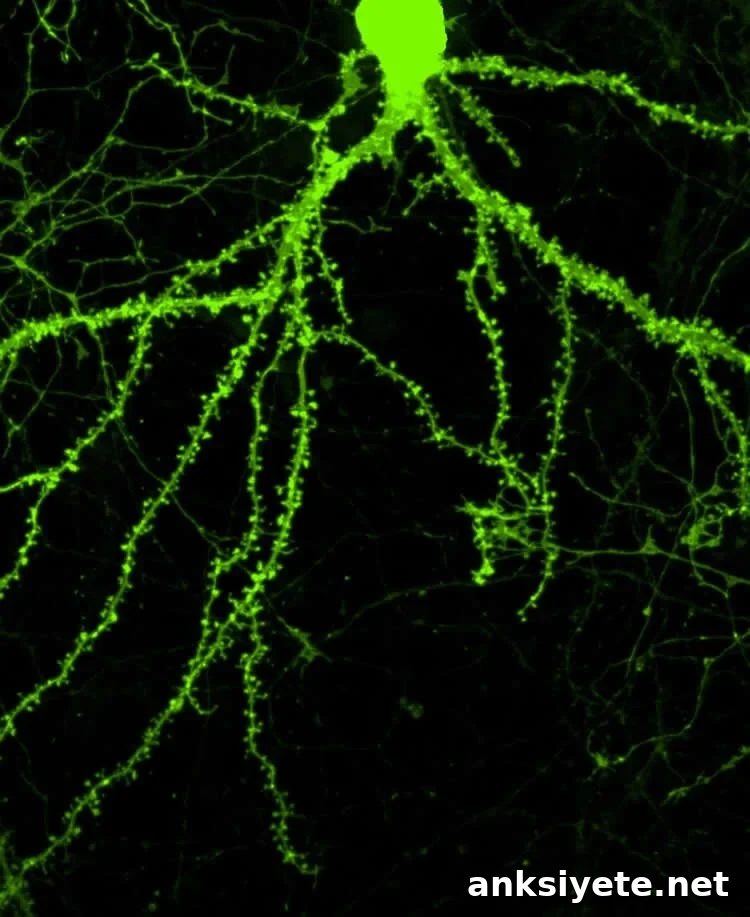
In experiments on neurons taken from the hippocampus—a brain region essential for learning and memory—the research team observed a dose-dependent rise in dendritic spine density following exposure to the new molecules. Higher concentrations produced greater increases within the tested range. Importantly, the compounds also prevented the spine loss typically caused by aggregated amyloid-beta peptides, which are implicated in the synaptic deterioration seen in Alzheimer’s disease.
The spinogenic effects were reversible: when the molecules were removed, spine numbers declined back to baseline within 24 hours. Time-lapse imaging of dissociated hippocampal cultures showed that the compounds actively promoted formation of new spines rather than merely stabilizing existing ones. Biochemical data further link this spinogenesis to activation of Ras signaling, a pathway known to influence spine dynamics and synaptic strength.
Earlier iterations of these molecules developed by the same group improved learning and memory in normal mice and in an Alzheimer’s mouse model, but their toxicity prevented further development as drug candidates. Graduate student Jessica Cifelli and colleagues modified the chemical structure to preserve the features believed to drive spine growth while reducing toxic properties. The resulting benzothiazole amphiphiles retain spinogenic activity and exhibit relatively low toxicity at active concentrations, making them useful tools for both basic research and potential therapeutic development.
Because the majority of excitatory synapses in the brain reside on dendritic spines, modulation of spine density in the hippocampus has direct implications for cognitive function. Numerous prior studies correlate increased spine density with improved learning and memory, and the ability to reversibly control spine formation with small molecules opens new possibilities. Benzothiazole amphiphiles could be explored as agents to counteract spine loss in neurodegenerative disorders such as Alzheimer’s disease, and they may also inform strategies for enhancing cognitive performance in other contexts.
Co-authors on the study include Lara Dozier, Tim Chung and Gentry Patrick. The research received partial support from UC San Diego’s Shiley-Marcos Alzheimer’s Disease Research Center, funded by the National Institute on Aging.
Source: Susan Brown — UCSD
Image credit: Jessica Cifelli.
Original research: Abstract for “Benzothiazole Amphiphiles Promote the Formation of Dendritic Spines in Primary Hippocampal Neurons” by Jessica L. Cifelli, Lara Dozier, Tim Chung, Gentry N. Patrick, and Jerry Yang, Journal of Biological Chemistry. Published online March 28, 2016. doi:10.1074/jbc.M115.701482
Abstract
Benzothiazole Amphiphiles Promote the Formation of Dendritic Spines in Primary Hippocampal Neurons
The majority of excitatory synapses in the brain are located on dendritic spines, and regulation of spine density in the hippocampus plays a central role in learning and memory. This study reports the design and evaluation of benzothiazole amphiphiles, a new class of small molecules that increase dendritic spine density in primary hippocampal neurons in a dose-dependent manner. Exposure to these compounds produces a sustained increase in spine density while present, and spine numbers return to baseline within 24 hours after removal, demonstrating reversible control of spinogenic activity. Time-lapse imaging indicates that these agents promote a net rise in spine density by inducing formation of new spines. Biochemical assays associate the spinogenic effect with Ras pathway activation. The molecules also block a mechanism implicated in amyloid-beta–induced spine loss in primary neurons. At concentrations that stimulate spine formation, these compounds show relatively low toxicity. Together, the results suggest that small molecules that promote spine formation could help ameliorate cognitive deficits linked to spine loss in neurodegenerative diseases such as Alzheimer’s and may have potential as cognitive enhancers.
“Benzothiazole Amphiphiles Promote the Formation of Dendritic Spines in Primary Hippocampal Neurons” by Jessica L. Cifelli, Lara Dozier, Tim Chung, Gentry N. Patrick, and Jerry Yang. Journal of Biological Chemistry. Published online March 28, 2016. doi:10.1074/jbc.M115.701482