Summary: A novel surgical nerve-transfer procedure that reroutes healthy nerves to inactive ones is helping people with quadriplegia regain function in their arms and hands.
Source: University of Montreal
Plastic surgeons Dominique Tremblay and Élie Boghossian of Maisonneuve-Rosemont Hospital (MRH), and researchers at the Université de Montréal Faculty of Medicine, have developed a refined nerve transfer technique that reanimates paralysed muscles by moving functioning nerves into contact with nerves that have become inactive. This targeted approach aims to restore voluntary control of the arm and hand muscles that had lost their nerve supply.
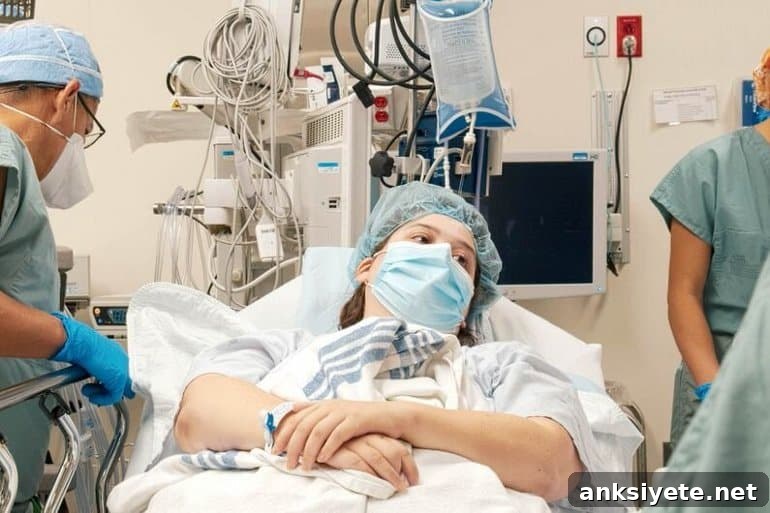
The team applied this method to a young quadriplegic patient, Jeanne Carrière, who regained use of her arms and hands following the operation. Her recovery illustrates the potential of carefully selected nerve transfers combined with dedicated rehabilitation to restore meaningful function after severe spinal cord injuries.
“In the quadriplegic patient, we replace the nerve impulses of a nerve that does not work with a nerve that still works. With time and rehabilitation, the nerve impulse is reformed, and the use of the hands and arms gradually returns,” explained Dr. Tremblay, who also leads the division of plastic surgery at the Université de Montréal. This description captures the essential principle behind nerve transfer: redirecting healthy motor pathways to bypass damaged or nonfunctional neural connections so muscles can be reactivated.
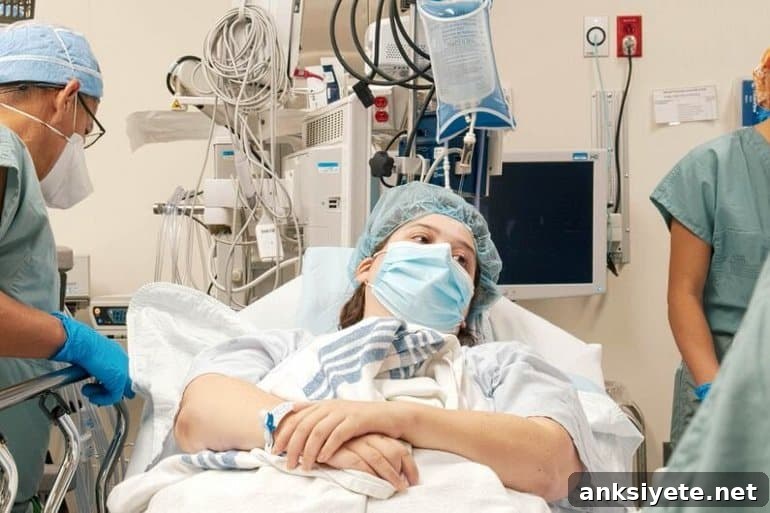
Over the past two years, MRH has performed this reconstructive nerve transfer in more than a dozen patients during a structured development phase. According to the team, all of these procedures produced positive surgical outcomes. Each case included a coordinated rehabilitation program delivered in close collaboration with the Institut de réadaptation Gingras-Lindsay-de-Montréal to maximize functional recovery after surgery.
Based on these consecutive successes, the CIUSSS de l’Est-de-l’Île-de-Montréal (CIUSSS-EMTL) has concluded the development phase and is now offering this nerve transfer intervention more broadly to patients who may benefit. The expanded availability reflects both the procedural refinements achieved by the surgical team and the integrated rehabilitation pathway that supports recovery.
Maisonneuve-Rosemont Hospital also recently received a formal designation from the Quebec Ministry of Health and Social Services recognizing it as a unique provincial centre for vascularized composite allotransplantation, including facial and upper limb transplants. This designation underscores the hospital’s growing expertise in advanced reconstructive and microsurgical procedures for complex neurological and traumatic conditions.
Nerve transfer surgery is a specialized microsurgical procedure in which a working donor nerve is redirected to supply a muscle whose native nerve no longer functions. The surgery itself requires precise identification of donor and recipient nerves, careful microsurgical coaptation, and postoperative rehabilitation focused on relearning motor control as the redirected nerve fibers reinnervate target muscles. With consistent therapy and gradual neural adaptation, patients can often recover voluntary movements that significantly improve daily function and independence.
Patient selection is critical: not every individual with quadriplegia will be a suitable candidate. The best outcomes typically arise when surgeons can identify healthy donor nerves that provide an appropriate match for reanimating essential hand and arm functions. A multidisciplinary team—including plastic surgeons, neurologists, physiatrists, and rehabilitation therapists—evaluates each case to design a personalized surgical and recovery plan.
This new application of nerve transfer represents a meaningful advance in reconstructive surgery for spinal cord injury. By combining microsurgical expertise with structured rehabilitation, the MRH and Université de Montréal team aims to expand the options available to people living with paralysis and to improve their ability to perform everyday tasks independently.
About this neurosurgery research news
Author: Press Office
Source: University of Montreal
Contact: Press Office – University of Montreal
Image: The image is credited to CIUSSS-EMTL