
Summary: Researchers report that harmful plaques linked to Alzheimer’s disease may accumulate in the brain as a result of high blood pressure combined with reduced cerebral blood flow.
Source: USC Dornsife.
USC researchers will investigate whether this early warning sign could be addressed using drugs already approved for other conditions.
USC scientists have identified a likely connection between vascular dysfunction—specifically high blood pressure coupled with decreased blood flow in the brain—and the accumulation of harmful amyloid plaque that precedes dementia.
“If the blood vessels in the brain aren’t functioning properly, cognitive abilities such as thinking, memory and executive function will suffer, and those vascular problems can be related to other pathologies, including Alzheimer’s disease,” said Daniel Nation, the study’s lead author and an assistant professor of psychology at USC Dornsife.
For the study published June 1 in the journal Brain, Nation analyzed patient information from the Alzheimer’s Disease Neuroimaging Initiative, a national repository housed at Keck School of Medicine at USC. He examined whether narrowed or stiffened blood flow encourages amyloid plaque deposition and developed a new method to estimate cerebrovascular resistance—a measure of how stiff and constricted vessels become when blood pressure is high and flow is reduced.
The brain’s vasculature operates much like a plumbing system: it delivers oxygen and nutrients to neurons and helps clear metabolic waste. One type of metabolic waste includes fragments of protein known as amyloid. In a healthy brain, pulsatile blood flow aids in clearing these fragments. But when vessels are abnormally constricted or stiff, clearance is impaired and sticky amyloid can accumulate, Nation found.
“Cerebrovascular resistance describes how brain vessels in Alzheimer’s can remain in a hyper-contracted state,” Nation explained. “For a variety of reasons, these vessels resist relaxing and letting blood flow in properly.”
The study also shows that neither blood pressure nor blood flow alone predicts dementia risk as well as the combined measure of resistance.
“Because the brain adjusts vessel tone to keep blood flow constant when blood pressure fluctuates, measuring only one of these variables masks the underlying change in vascular resistance,” Nation said. “You need both measures to reveal the vessel-level changes that matter.”
Dementia and Alzheimer’s: a growing public health concern
Alzheimer’s disease is a major and growing public health challenge. It affects millions of people and poses broad social and medical consequences, particularly among older adults. USC researchers from multiple disciplines are studying how vascular aging and other factors contribute to cognitive decline over the lifespan. Nation’s laboratory at USC Dornsife focuses on how age-related changes in vascular structure and function influence cognition.
Measuring cerebrovascular resistance
To quantify resistance in brain vessels, Nation devised an index calculated as the ratio of mean arterial pressure to regional cerebral blood flow. A higher index indicates greater vascular resistance and, according to the findings, a stronger likelihood of amyloid buildup and progression toward dementia.
The Alzheimer’s Disease Neuroimaging Initiative dataset used in the analysis includes genetic, cognitive, imaging and biomarker data for roughly 1,000 volunteers aged 55–90. Nation analyzed three groups: individuals without amyloid accumulation, those with amyloid but no dementia, and patients diagnosed with Alzheimer’s disease.
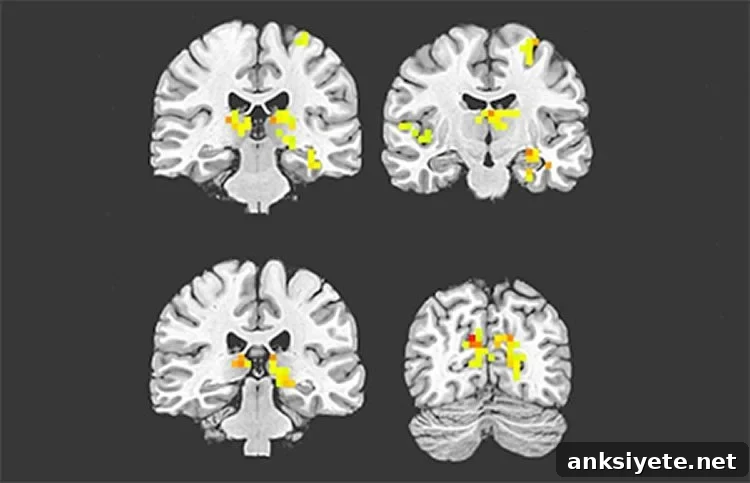
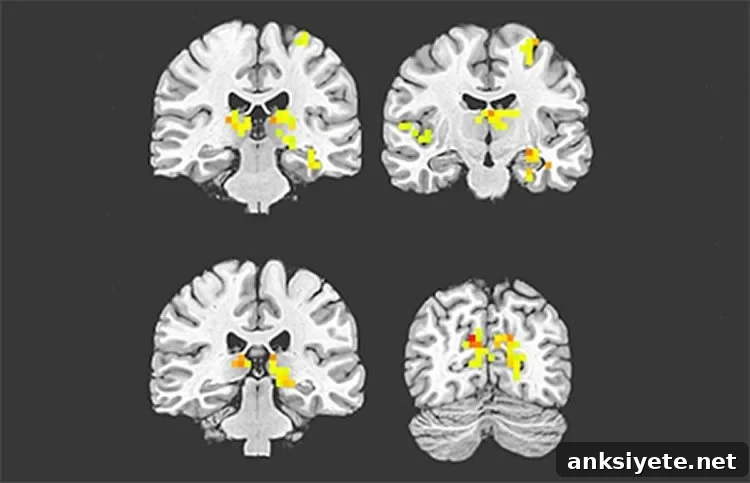
He found that people with Alzheimer’s had lower brain blood flow than non-demented participants. Those reductions in blood flow were not apparent in the earlier stage when amyloid was present but memory impairment had not yet emerged. In contrast, the cerebrovascular resistance index was already elevated in amyloid-positive individuals and rose further in those with Alzheimer’s. The resistance index showed larger and more widespread differences across brain regions than cerebral blood flow alone.
Participants who were amyloid-positive experienced faster cognitive decline over a two-year follow-up, and elevated baseline cerebrovascular resistance predicted accelerated decline and higher rates of progression to clinical dementia.
“These results suggest that increases in vascular resistance may be an early, central feature of brain aging that forecasts future cognitive decline,” Nation said.
Repurposing existing drugs as potential interventions
Because recent experimental drugs aimed directly at Alzheimer’s pathology have yielded mixed results, attention is turning to whether existing, approved medications might delay or modify disease progression. Two classes of drugs stand out in the data: cholesterol-lowering statins and certain blood pressure medications called angiotensin receptor blockers (ARBs). Nation’s prior research, reported in Alzheimer’s Research & Therapy, suggested people taking some blood pressure–lowering medications—particularly those that can cross the blood-brain barrier—perform better on memory measures than people with high blood pressure on other treatments.
Nation plans to refine his resistance index and measure it dynamically with brain imaging to observe how blood-pressure-lowering drugs affect vascular resistance in real time in older adults at risk for Alzheimer’s. The next critical question is whether reducing cerebrovascular resistance through treatment lowers the chance of developing dementia.
USC graduate student Belinda Yew co-authored the cerebrovascular resistance study published in Brain, and USC graduate student Jean Ho co-authored the study on blood-pressure medications published in Alzheimer’s Research & Therapy. The research received support from National Institutes of Health grants P50 AG005142 (estimated $7.1 million, covering approximately 10% of the Brain study’s costs) and P01 AG052350 (estimated $8.9 million, covering approximately 20% of the study’s costs); these grants also fund additional studies by Nation. The Alzheimer’s Disease Neuroimaging Initiative and a U.S. Department of Defense grant (W81XWH-12-2-0012) funded the remaining estimated 70% of the Brain study’s costs.
Original research: Abstract for “Cerebrovascular resistance: effects on cognitive decline, cortical atrophy, and progression to dementia” by Belinda Yew and Daniel A. Nation for the Alzheimer’s Disease Neuroimaging Initiative, published in Brain (online June 1, 2017).
Abstract
Cerebrovascular resistance: effects on cognitive decline, cortical atrophy, and progression to dementia
Vascular contributions to Alzheimer’s disease are increasingly recognized. Both elevated blood pressure and reduced cerebral blood flow have been linked to biomarkers and clinical progression. This study tested whether a higher ratio of blood pressure to cerebral blood flow—an estimated cerebrovascular resistance index—would show earlier and more extensive associations with Alzheimer’s disease than blood flow alone. It also tested whether elevated vascular resistance and amyloid retention together influence cognitive trajectories independently of neuronal metabolism, and whether resistance predicts later brain atrophy before amyloid accumulation. Using arterial spin labeling MRI to measure regional cerebral blood flow in 232 North American older adults, the study calculated a cerebrovascular resistance index as mean arterial pressure divided by regional blood flow. PET imaging quantified amyloid retention and neuronal metabolism, and cognitive performance was assessed annually. Results showed reduced inferior parietal and temporal blood flow in Alzheimer’s patients versus non-demented groups, but no flow differences between amyloid-positive and amyloid-negative non-demented participants. In contrast, the resistance index was significantly higher in amyloid-positive versus amyloid-negative groups, with even greater elevation in Alzheimer’s patients. The resistance index produced larger effect sizes and covered more brain regions than blood flow alone. Elevated baseline resistance accelerated cognitive decline over two years—especially in amyloid-positive individuals—and predicted greater progression to dementia beyond the effect of amyloid positivity. Higher baseline resistance also predicted regional atrophy among amyloid-negative, non-demented older adults. These findings indicate that increased cerebrovascular resistance may be an under-recognized contributor to Alzheimer’s disease that operates independently of neuronal hypometabolism, predates perfusion changes, synergizes with amyloidosis to worsen cognition, and drives early amyloid-independent atrophy.