
Neurons Instruct Astrocytes Through Sonic Hedgehog Signaling — McGill Study
A research team led by the Research Institute of the McGill University Health Centre (RI-MUHC) in Montreal has revealed a previously unrecognized flexibility in brain support cells called astrocytes. Published in Science, the study shows that neurons actively tune astrocytes through the Sonic Hedgehog (Shh) signaling pathway, enabling region-specific molecular and physiological specializations. This adaptive interaction has important implications for understanding epilepsy, movement disorders, psychiatric conditions, and neurodegenerative diseases.
Astrocytes are star-shaped glial cells that closely surround neurons and neural circuits. Historically described as supportive “caretakers” that maintain the chemical environment, protect neurons from injury, and help sustain circuit function, astrocytes are now recognized as active regulators of brain physiology. Until now, the mechanisms that generate and preserve diversity among astrocytes across different brain regions remained poorly defined. The RI-MUHC team shows that neurons can actively shape astrocyte identity and function in the adult brain rather than leaving these roles permanently hardwired from development.
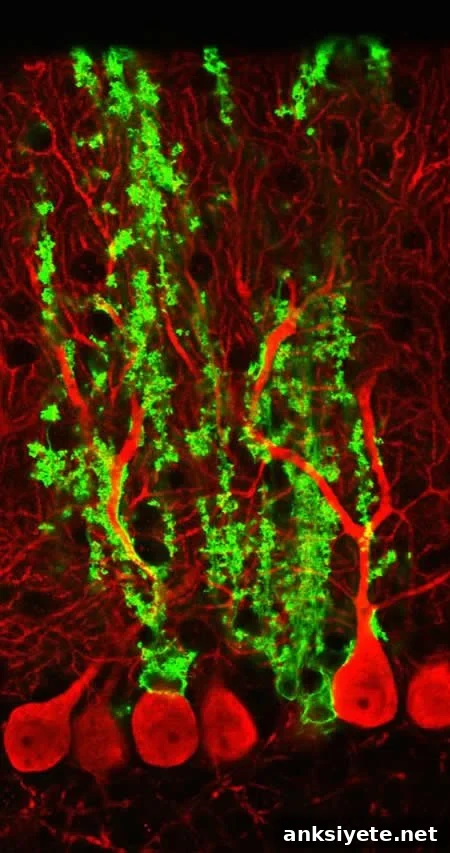
“It was believed that astrocytes acquired their properties during brain development and remained fixed,” says Dr. Keith Murai, director of the Centre for Research in Neuroscience at RI-MUHC and senior author on the study. “Our results demonstrate that astrocytes retain a substantial degree of plasticity and can be modulated by neuronal signals, which opens new possibilities for restoring or improving brain function after injury or during disease.”
The team identified a tunable, dial-like mechanism on astrocytes that neurons use to adjust astrocyte behaviour. According to Dr. W. Todd Farmer, the study’s first author, “This dial likely helps fine-tune astrocyte responses in the healthy brain and could be engaged differently in conditions such as Alzheimer’s disease, Parkinson’s disease, stroke, and traumatic injury. Understanding how neurons instruct astrocytes gives us tools to limit damage and support recovery.”
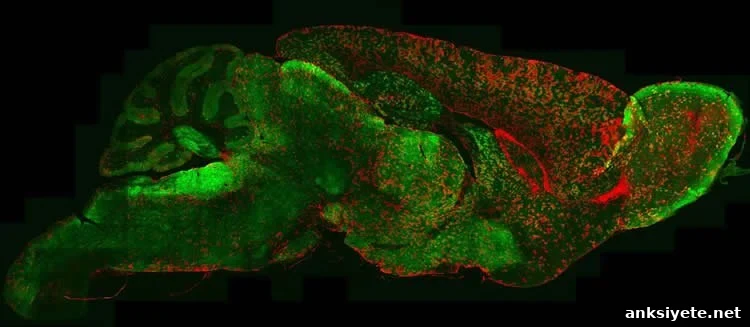
Most experiments were performed in mouse models, focusing on the Sonic Hedgehog (Shh) signaling pathway, a well-characterized pathway in development and cancer. Using advanced genetic models, molecular profiling, and high-resolution microscopy, the researchers discovered that Shh signaling remains active in the adult brain and produces distinct outcomes depending on brain region. Neuron-derived Shh instructs subsets of astrocytes to adopt specific molecular signatures and physiological functions tailored to local circuit needs.
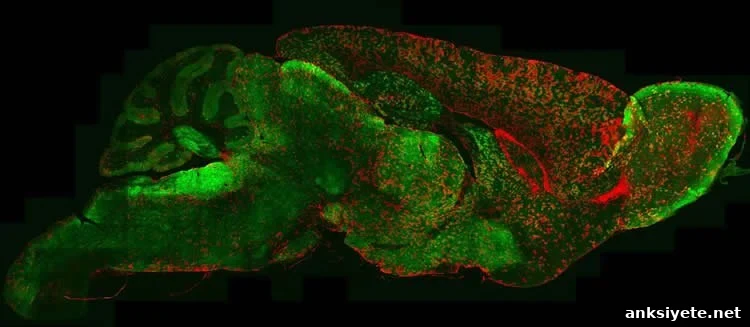
Functionally, the study shows that Shh-driven changes in astrocytes affect ionic homeostasis and other support functions that are critical for neuronal excitability and circuit stability. For example, astrocytes induced by Shh show elevated expression of Kir4.1, a potassium channel important for buffering extracellular potassium and controlling neuronal firing. Such targeted modulation helps match astrocyte support to the needs of nearby neurons.
“This discovery reveals an extraordinary mechanism by which neurons diversify supporting glia in the mature brain,” Dr. Murai adds. “Our next steps are to map how this neuron-to-astrocyte signaling is altered across neurological diseases and to explore whether manipulating this pathway can protect neurons and preserve function.”
Funding: The study was supported by the Canadian Institutes of Health Research (CIHR), the Brain Canada Foundation, and the Weston Brain Institute.
Source: Julie Robert, McGill University Health Centre. Images credited to Todd Farmer, McGill University Health Centre.
Original research: The findings are reported in the paper titled “Neurons Diversify Astrocytes in the Adult Brain Through Sonic Hedgehog Signaling” by W. Todd Farmer, Therése Abrahamsson, Sabrina Chierzi, Christopher Lui, Cristian Zaelzer, Emma V. Jones, Blandine Ponroy Bally, Gary G. Chen, Jean-Francois Théroux, Jimmy Peng, Charles W. Bourque, Frédéric Charron, Carl Ernst, P. Jesper Sjöström, and Keith K. Murai, published in Science.
Summary
This McGill-led study establishes that neuron-derived Sonic Hedgehog signaling actively instructs astrocytes in the adult brain, producing region-specific molecular and physiological specializations. By showing that astrocyte identity is dynamic and responsive to neuronal cues, the work provides a new framework for understanding glia–neuron interactions in health and disease and highlights potential therapeutic avenues for neurodegenerative and neuropsychiatric disorders.