
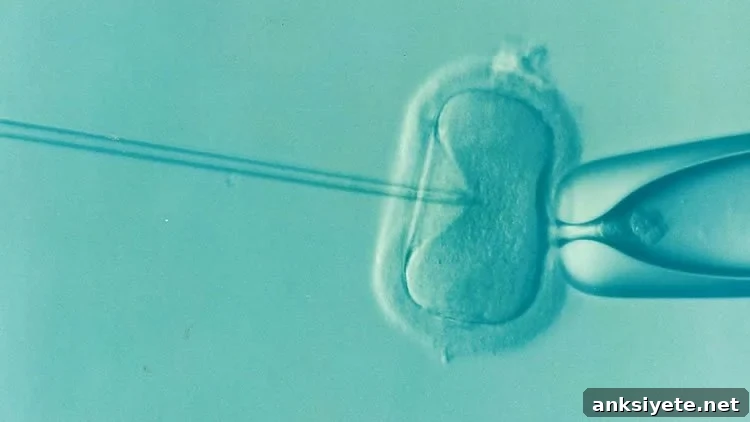
Summary: A population-based study by Ben-Gurion University researchers reports that children conceived after fertility treatments face a higher risk of developing pediatric neoplasms and cancers.
Source: Ben Gurion University of the Negev (BGU)
Overview
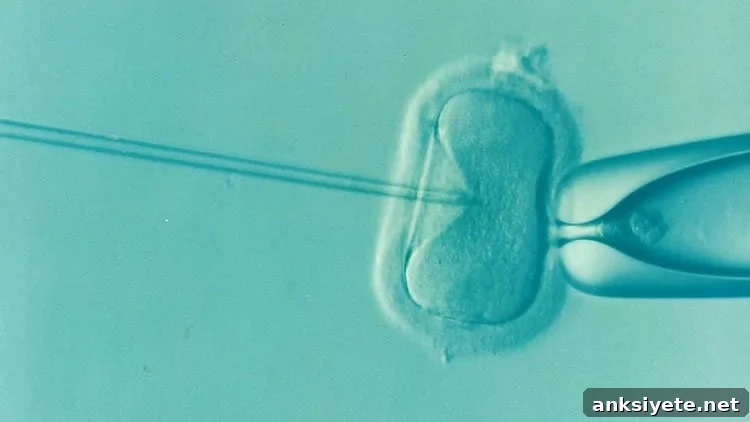
Researchers at Ben-Gurion University of the Negev have found an association between fertility treatments—specifically in vitro fertilization (IVF) and ovulation induction (OI)—and an increased incidence of pediatric neoplasms, including malignancies, among offspring. The findings are based on a large population-based cohort studied at Soroka University Medical Center, with follow-up of children to age 18.
Background
Pediatric neoplasms commonly include leukemia, brain and spinal cord tumors, neuroblastomas, Wilms tumor, and lymphomas (both Hodgkin and non-Hodgkin). As the use of assisted reproductive technologies has increased globally, it is crucial to study long-term health outcomes among children conceived through fertility interventions.
Study Design and Population
The study, published in the American Journal of Obstetrics & Gynecology, evaluated all singleton live births at Soroka University Medical Center from 1991 through 2013. After excluding infants with congenital malformations, researchers followed 242,187 newborns for a median of approximately 10.6 years, tracking neoplasm diagnoses recorded at the same tertiary hospital up to age 18.
Of the cohort, 237,863 infants (98.3%) were conceived spontaneously, 2,603 (1.1%) were conceived via IVF, and 1,721 (0.7%) followed ovulation induction treatments. The Israeli healthcare system’s universal coverage of fertility interventions provided broad access and helped minimize socioeconomic selection bias in the study population.
Findings
During follow-up, 1,498 neoplasms (0.6% of the cohort) were diagnosed. Incidence density rates per 1,000 person-years were higher among children conceived via IVF (1.5/1,000) and OI (1.0/1,000) compared with naturally conceived children (0.59/1,000). Kaplan–Meier analysis showed a statistically significant difference in cumulative incidence (log-rank P < .001).
After adjusting for important perinatal and maternal confounders—including gestational age, gestational diabetes, hypertensive disorders, preterm birth, and maternal age—fertility treatments remained associated with increased risk. The adjusted hazard ratio (aHR) for all neoplasms following IVF was 2.48 (95% CI, 1.71–3.50). The association between any fertility treatment and malignancies also remained significant (aHR 1.96; 95% CI, 1.14–3.36).
Interpretation
The results indicate that children conceived after fertility treatments face a higher risk of developing pediatric neoplasms compared with spontaneously conceived peers. While the absolute risk is low, the relative increase in incidence—especially after IVF—suggests the need for continued monitoring of health outcomes in this growing population. The study controlled for multiple confounding factors, although observational design limits the ability to prove causation.
Implications for Practice and Research
Given the rising number of children conceived using assisted reproductive technologies worldwide, these findings underscore the importance of long-term surveillance and additional research to identify mechanisms behind the increased risk. Future studies should explore treatment-specific factors, parental characteristics, epigenetic changes, and potential perinatal mediators to better understand causality and identify strategies to mitigate risk.
Fertility treatments and pediatric neoplasms of the offspring: results of a population-based cohort with a median follow-up of 10 years
Objective: To evaluate whether mode of conception (IVF, ovulation induction, or spontaneous pregnancy) is associated with the risk of pediatric neoplasms, benign and malignant, among offspring followed up to age 18.
Methods: A population-based cohort of all singleton live births at a single tertiary center from 1991–2013 was examined. Offspring with congenital malformations were excluded. Neoplasm diagnoses were ascertained from hospital records. Kaplan–Meier curves and multivariable survival analyses adjusted for gestational age, pregnancy complications, and maternal factors were used to assess risk.
Results: Among 242,187 newborns followed for a median of 10.55 years, 1,498 neoplasms were diagnosed. Incidence rates were higher for IVF and OI conceptions compared with spontaneous conceptions. After adjustment, IVF was associated with increased risk of all neoplasms (aHR 2.48; 95% CI, 1.71–3.50), and any fertility treatment remained associated with malignancies (aHR 1.96; 95% CI, 1.14–3.36).
Conclusion: The study concludes that children conceived after fertility treatments are at increased risk for pediatric neoplasms, supporting the need for ongoing follow-up and further research into underlying mechanisms.
Research team members included Tamar Wainstock, Asnat Walfisch, Ilana Shoham-Vardi, Idit Segal, Avi Harlev, Ruslan Sergienko, Daniella Landau, and Eyal Sheiner from Ben-Gurion University and associated institutions.
Publication
The study was published in the American Journal of Obstetrics & Gynecology (online January 29, 2017) and reports on “Fertility treatments and pediatric neoplasms of the offspring: results of a population-based cohort with a median follow-up of 10 years.”