How Neuronal Circuits Drive Behavior, Learning and Dysfunction
featured 62020

Summary: New discoveries about dopamine-sensitive neurons in the striatum reshape understanding of how the brain updates learned actions and suggest fresh directions for treating Parkinson’s disease, Tourette syndrome and other basal ganglia disorders. Source: University of New South Wales Scientists at UNSW Sydney’s Decision Neuroscience Lab have reported a major advance in how brain circuits … Read more

How Low Blood Sugar Causes Retinal Damage and Vision Loss

featured 109586

Summary: New research indicates that episodes of low blood sugar (hypoglycemia) can weaken the blood-retinal barrier and thereby exacerbate diabetic retinopathy. In diabetic mice, hypoglycemia elevated levels of hypoxia-inducible factor (HIF), a protein known to drive abnormal blood vessel growth and leakage in the retina. An experimental dual HIF inhibitor, 32-134D, blocked this effect in … Read more

New Compound Shows Promise for Treating Alcohol Dependence

featured 101013

Summary: The selective kappa opioid receptor (KOP) antagonist LY2444296 markedly reduced alcohol consumption and eased withdrawal signs in animal models of alcohol dependence. These preclinical findings point to LY2444296 as a promising candidate for treating alcohol use disorder (AUD) by targeting the brain’s dynorphin/KOP system, which contributes to addiction-related negative emotional states and withdrawal-driven drinking. … Read more

Study Reveals the Root Cause of Migraines

featured 32423

Summary: A large new genetic study finds that many migraine-associated genes are linked to the vascular system. Source: University of Helsinki Many of the identified risk variants are located within or near genes that control vascular function. The largest genetic analysis of migraine to date was published online in Nature Genetics on June 20. The … Read more

How to Improve Deep Sleep Tonight

featured 81782

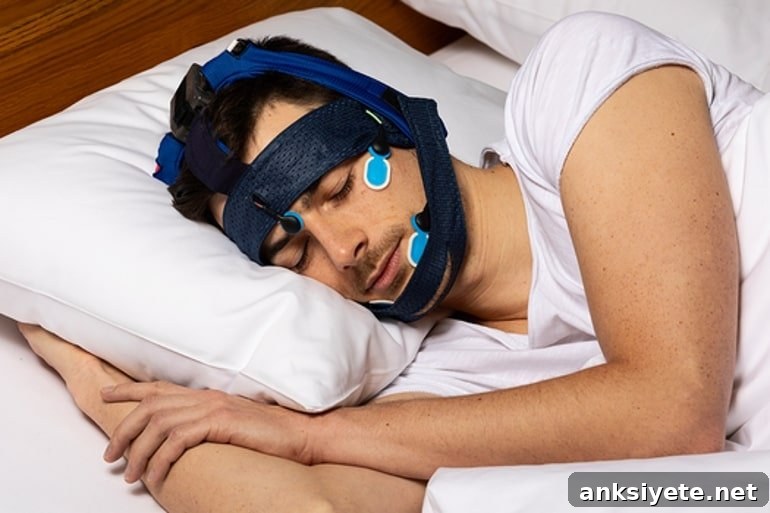
Summary: SleepLoop is a newly developed mobile system designed to strengthen deep sleep by using precisely timed auditory stimulation. The wearable monitors brain activity to detect slow-wave sleep and then delivers short sounds that help synchronize neuronal activity and amplify restorative slow waves. Source: ETH Zurich Many people, particularly older adults, experience disrupted or reduced … Read more

How THC Disrupts Memory Circuits

featured 43656

Summary: New research maps how cannabinoids change neural circuit dynamics and disrupt memory-related signaling in the hippocampus. Source: PLOS. Paranoia. Munchies. Giggles. Sleepiness. Memory lapses. While many users recognize these effects of cannabis, the underlying neural mechanisms are still incompletely understood. One of the most widely concerning effects is the short-term memory impairment that often … Read more

How Uncertainty Activates a Brain Region During Exploration

featured 5985

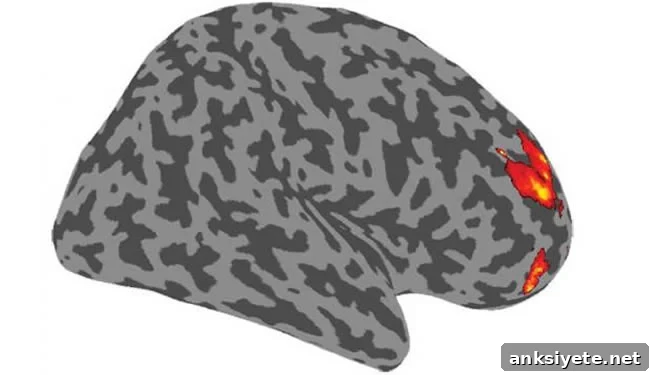
When people weigh multiple options to find the best reward, some base their choices on how uncertain each outcome is. A new study finds that those who follow this uncertainty-driven strategy uniquely recruit the right rostrolateral prefrontal cortex to calculate relative uncertainty, while people who use other strategies do not. Most everyday choices involve uncertainty. … Read more

Machine Learning Reveals How Genes Shape Behavior

featured 58778

Summary: Machine learning is helping researchers uncover the genetic influence on foraging behaviors in mice. Source: University of Utah Health Mice scurry while searching for food, yet their wanderings may be shaped by genes. Researchers at University of Utah Health applied machine learning to connect genetic variation with the incremental steps that compose instinctive and … Read more

EEG Study Reveals How the Brain Infers Task Rules and Structure

featured 14061

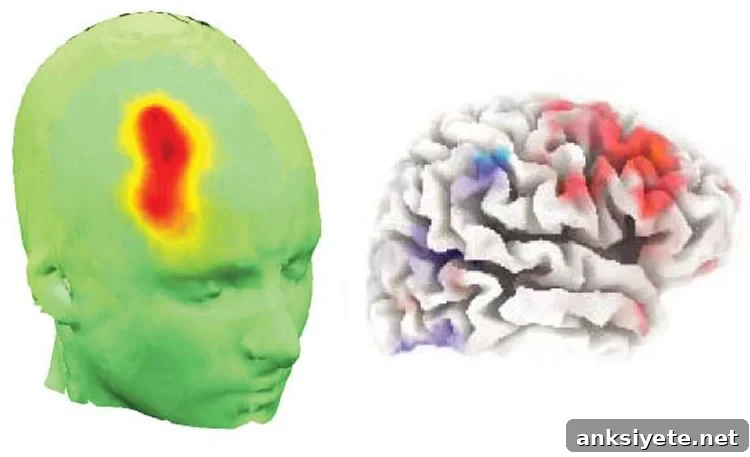
A new study reveals how the brain rapidly constructs inferred contexts and rules when learning new tasks—even when such structure does not actually exist. The research, which identified reliable individual differences, explains how people generalize task knowledge to similar situations and may guide future work on learning disabilities and adaptive learning strategies. Many everyday tasks … Read more

Why Some People Adapt to Fear Faster: What Science Says

featured 110519

Summary: A new study identifies the brain circuits that explain why individual animals respond differently to repeated visual threats. Using advanced neural recording and manipulation tools, researchers mapped two separate pathways that produce either persistent escape responses or rapid habituation in mice. These behavioral differences are linked to variations in internal arousal states and beta-frequency … Read more