Genetic Links Between Left-Handedness and Neurological Disorders

featured 101116

Summary: A large-scale analysis of UK Biobank exome data has identified rare protein-altering variants associated with left-handedness, most notably in the beta-tubulin gene TUBB4B. These results strengthen the link between microtubule-related genes and brain asymmetry and reveal genetic overlap between handedness and certain neurodevelopmental disorders. Using exome sequences from hundreds of thousands of participants, researchers … Read more


How Wild Urban Parks Improve Mental Health and Well-Being

featured 62676

Summary: Experiencing relatively wild places and observing wildlife in urban parks supports both physical health and mental well-being. Source: University of Washington As cities expand and sprawl consumes more land, everyday access to natural, untamed places is becoming scarcer for urban residents. Some neighborhoods gain small pocket parks or green roofs, but these managed, ornamental … Read more

Traffic Ultrafine Particles Impair Human Sense of Smell

featured 98319

Summary: A new study shows that ultrafine particles from traffic emissions markedly change gene expression in human olfactory mucosa cells, indicating a plausible route for air pollution to affect the brain. This first-of-its-kind investigation linked detailed emission analysis from different diesel fuels and after-treatment systems with experiments on human-derived olfactory mucosa cells. Researchers found that … Read more

3D Printed Nerve Networks Come to Life in Lab

featured 97107

Summary: Engineers have developed a 3D bioprinting approach that uses specialized “bioinks” containing living neurons to create three-dimensional neural networks in the laboratory. These printed constructs reproduce key features of brain tissue architecture, show spontaneous electrical activity, and respond to stimuli, offering a powerful new platform for neuroscience research and drug testing. The bioprinted networks … Read more

Kdm1a: How It Preserves Neuronal Identity and Function

featured 100647

Summary: A new study identifies the protein Kdm1a as a vital guardian of neuronal identity, preventing neurons from prematurely adopting molecular features of aging. Experiments in mice, supported by human data, show that Kdm1a represses genes that should remain silent and preserves the chromatin boundaries that separate active from inactive genomic regions. Loss of Kdm1a … Read more

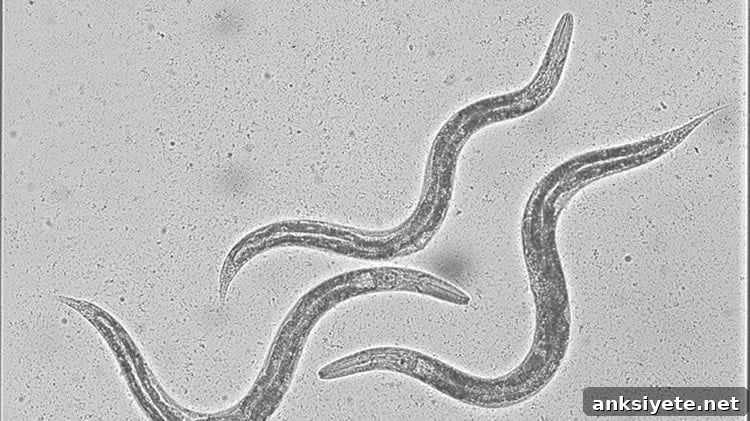
Real-Time Brain Imaging: Detecting Neurological Disease

featured 28069

An innovative microfluidic platform lets researchers monitor protein aggregation in individual worms throughout their lives, enabling automated, real-time observation of processes that are central to many neurodegenerative diseases. Researchers in biology and microfluidics at EPFL have developed a compact 2 cm by 2 cm chip containing 32 independent microchambers, each designed to house a single … Read more

Why Misremembering May Be a Sign Your Memory Is Working

featured 78985

Summary: Everyday memory lapses may reflect an efficient, constrained cognitive system rather than a failing one. Source: The Conversation Recently, when someone asked about a bakery near my home, I said I had enjoyed its chocolate chip cookies. My wife corrected me: the cookies I had actually eaten were oatmeal raisin. Why did I confuse … Read more

Why Voluntary Sharing Makes Young Kids Happier

featured 41251

Summary: Researchers report that preschool children feel happier when they share voluntarily, but not when they share because they are obliged to do so. Source: Frontiers. New study finds preschoolers experience joy when they share voluntarily, but not when sharing is compelled. Traditional economic theory views humans as largely self-interested, yet people often act generously … Read more

Engineered Protein Treats Cancer and Regenerates Neurons

featured 65706

Summary: By making two distinct modifications to a single signaling protein, researchers were able to both suppress lung cancer growth and stimulate neuronal regeneration. Source: Stanford Overview Our lungs, bones, blood vessels and many other vital organs are composed of cells that communicate through protein messengers called ligands. These ligands bind to receptors on cell … Read more

Targeted Noninvasive Ultrasound Modulates Rat Brain Activity

featured 38585

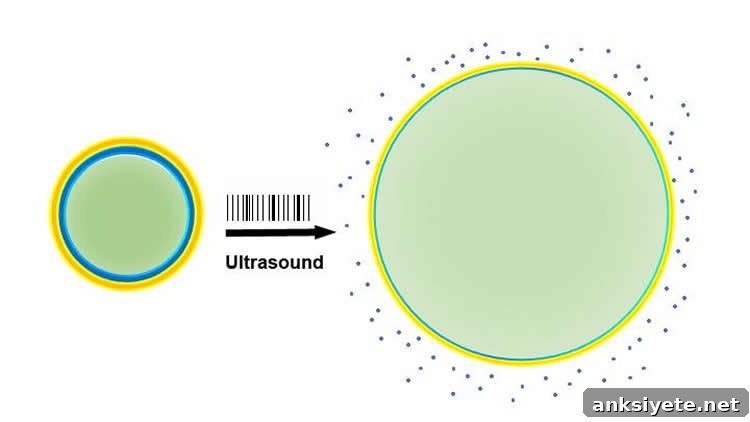
Summary: Researchers from Johns Hopkins have developed a noninvasive technique to deliver concentrated doses of drugs to precise locations in the brain of rats using focused ultrasound to trigger release from biodegradable nanoparticles. Source: Johns Hopkins Medicine Ultrasound pulses activate targeted release of drugs from nanoparticles Biomedical engineers at Johns Hopkins University report a noninvasive … Read more