
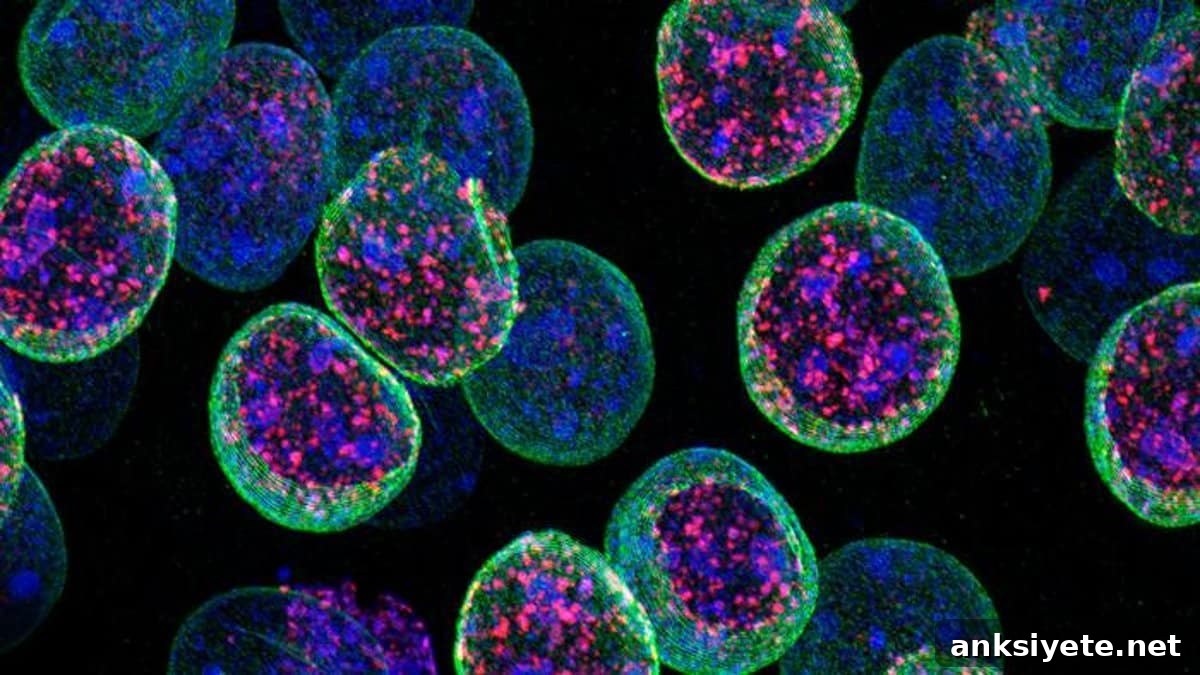
Summary: A new study identifies the protein Kdm1a as a vital guardian of neuronal identity, preventing neurons from prematurely adopting molecular features of aging. Experiments in mice, supported by human data, show that Kdm1a represses genes that should remain silent and preserves the chromatin boundaries that separate active from inactive genomic regions. Loss of Kdm1a weakens these epigenetic barriers, allowing inappropriate gene activation that mirrors natural aging and may contribute to neurological dysfunction.
The researchers demonstrate that Kdm1a maintains neuronal identity by keeping nonneuronal and other normally repressed genes silent. When Kdm1a is removed from adult forebrain neurons, these genes become aberrantly expressed. Similar, though subtler, gene derepression is observed during normal aging, indicating that Kdm1a loss accelerates aging-related changes in neuronal chromatin and transcription.
Key Facts:
- Kdm1a is essential for preserving neuronal identity by repressing genes that should not be active in neurons, emphasizing its role in epigenetic regulation.
- Deletion of Kdm1a produces changes that resemble aging at the epigenetic level, activating genes that are normally silent and potentially contributing to intellectual disability phenotypes.
- The study integrates inducible mouse models with human aging datasets, underscoring the conserved role of Kdm1a in safeguarding neuronal genome organization across species.
Source: UMH
Background: Epigenetic mechanisms enable different cell types to emerge from the same genome by controlling which genes are turned on or off. While development programs establish specialized cell identities, a less-explored challenge is how cells sustain those identities throughout life. Neurons are an extreme example: they exit the cell cycle and remain nondividing for the organism’s lifetime, so they require robust systems to maintain precise gene expression patterns and nuclear organization.
The Transcriptional and Epigenetic Mechanisms of Neuronal Plasticity laboratory, led by Angel Barco at the Institute for Neurosciences (a joint center of the Spanish National Research Council, CSIC, and Miguel Hernández University, UMH), investigated how Kdm1a supports long-term neuronal identity. Their findings, published in Nature Communications, reveal that Kdm1a preserves the separation between active and repressed chromatin compartments and prevents inappropriate activation of polycomb-repressed genes in neurons.
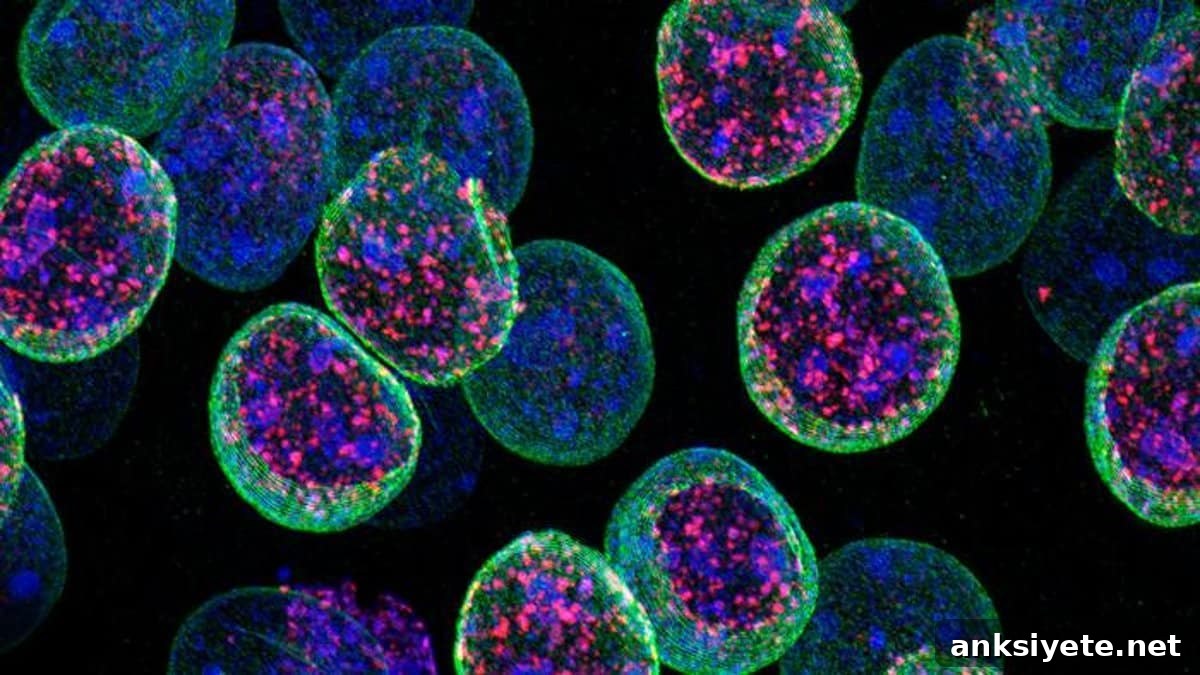
Using inducible, forebrain-restricted Kdm1a knockout mice, the team shows that removing Kdm1a in adult neurons leads to the expression of genes that are normally silenced by the polycomb repressor complex (PRC2). Many of these silenced genes lie interspersed among active neuronal genes. Loss of Kdm1a weakens the topological boundaries that normally segregate those repressed domains from neighboring active chromatin, permitting ectopic gene expression and altering transcriptional profiles.
To explore chromatin organization changes, the group combined chromatin conformation assays that map three-dimensional genome folding with super-resolution microscopy. Both methods revealed a breakdown of compartmentalization after Kdm1a loss: repressed regions become more euchromatic and physically less isolated from active domains, which correlates with their unexpected activation.
Importantly, the researchers compared these mouse results with human aging data provided by José Vicente Sánchez Mut (Functional Epi-Genomics of Aging and Alzheimer’s Disease laboratory). Analysis of samples from individuals aged 50 to 80 showed increased expression of some genes that are normally silent in neurons, mirroring the patterns seen in Kdm1a-deficient mice. This parallel supports the idea that Kdm1a activity helps prevent age-related chromatin changes and gene derepression in human neurons as well.
Mechanistic studies further reveal that an intrinsically disordered region in the N-terminus of Kdm1a is essential for its ability to segregate repressed genes from adjacent active chromatin. This structural feature appears critical for maintaining topological boundaries and stable gene silencing throughout life.
The Barco laboratory studies rare neurodevelopmental disorders caused by mutations in epigenetic regulators. Mutations affecting Kdm1a during development have been linked to a rare syndrome characterized by cleft palate, psychomotor delay, distinctive facial features, and intellectual disability (CPRF syndrome). Investigating Kdm1a in adult neurons clarifies how dysregulation of epigenetic machinery can contribute both to developmental disorders and to aging-related neuronal decline.
Funding: This research received support from the Spanish Research Agency — Ministry of Science, Innovation and Universities, Fundació la Marató de TV3, and other sources.
About this neuroscience research news
Author: Angeles Gallar ([email protected])
Source: UMH
Contact: Angeles Gallar – UMH
Image: Credit to Barco, A. Instituto de Neurociencias UMH-CSIC
Original Research: Open access. “Kdm1a safeguards the topological boundaries of PRC2-repressed genes and prevents aging-related euchromatinization in neurons” by Barco, A. et al. Nature Communications.
Abstract
Kdm1a safeguards the topological boundaries of PRC2-repressed genes and prevents aging-related euchromatinization in neurons
Kdm1a is a histone demethylase implicated in intellectual disability and has essential roles during early development and in the terminal differentiation of specialized cell types, including neurons. Kdm1a remains highly expressed in the adult brain. To investigate its role in mature neurons, inducible, forebrain-restricted Kdm1a knockout models were developed.
By integrating multi-omic transcriptome, epigenome and chromatin conformation datasets with super-resolution microscopy, the authors show that Kdm1a loss triggers neuronal activation of nonneuronal genes normally silenced by the polycomb repressor complex and interspersed with active genes. Functional assays identify an intrinsically disordered region in the Kdm1a N-terminus that is necessary to segregate repressed Kdm1a targets from adjacent active chromatin. Finally, the study shows that segregation of Kdm1a-regulated genes is progressively weakened during natural neuronal aging, highlighting Kdm1a’s role in preserving genome organization and stable gene silencing across the lifespan.