Complete Cell Atlas Unveils Mammalian Brain at Cellular Level
featured 98990

Summary: An international team of researchers has produced the first complete cell atlas of a mammalian brain, mapping the entire adult mouse brain at cellular resolution. The atlas documents more than 32 million cells with their types, locations, molecular signatures, and connectivity information, creating a comprehensive resource for neuroscience and potential precision therapies for brain … Read more


How Hearing and Deaf Infants Process Information Differently

featured 54089

Summary: A new study finds that deaf infants take longer to become familiar with new visual objects. Researchers say this reveals early differences in how infants process information, even when it is not auditory. Source: Ohio State University. Differences in cognitive development between hearing and deaf children begin in infancy, according to new research from … Read more

Wasp Visual System Mapping Advances AI and Neuroscience

featured 97314

Summary: Neuroscientists have completed a landmark mapping of the early visual system in one of the smallest known brains — that of the parasitic wasp Megaphragma viggianii, an insect smaller than a grain of table salt. Using high-resolution imaging, the team reconstructed the entire visual pathway at the synaptic level from a single specimen, revealing … Read more

Boost Creativity with tDCS Brain Stimulation

featured 41371

Summary: A new study reports that temporarily reducing activity in the left dorsolateral prefrontal cortex can boost our ability to think “outside the box.” Source: Queen Mary University of London Researchers from Queen Mary University of London and Goldsmiths, University of London, report that non-invasive brain stimulation can temporarily enhance creative problem solving. The team … Read more

Short Junk-Food Diet Rapidly Reduces Brain Insulin Sensitivity

featured 108001

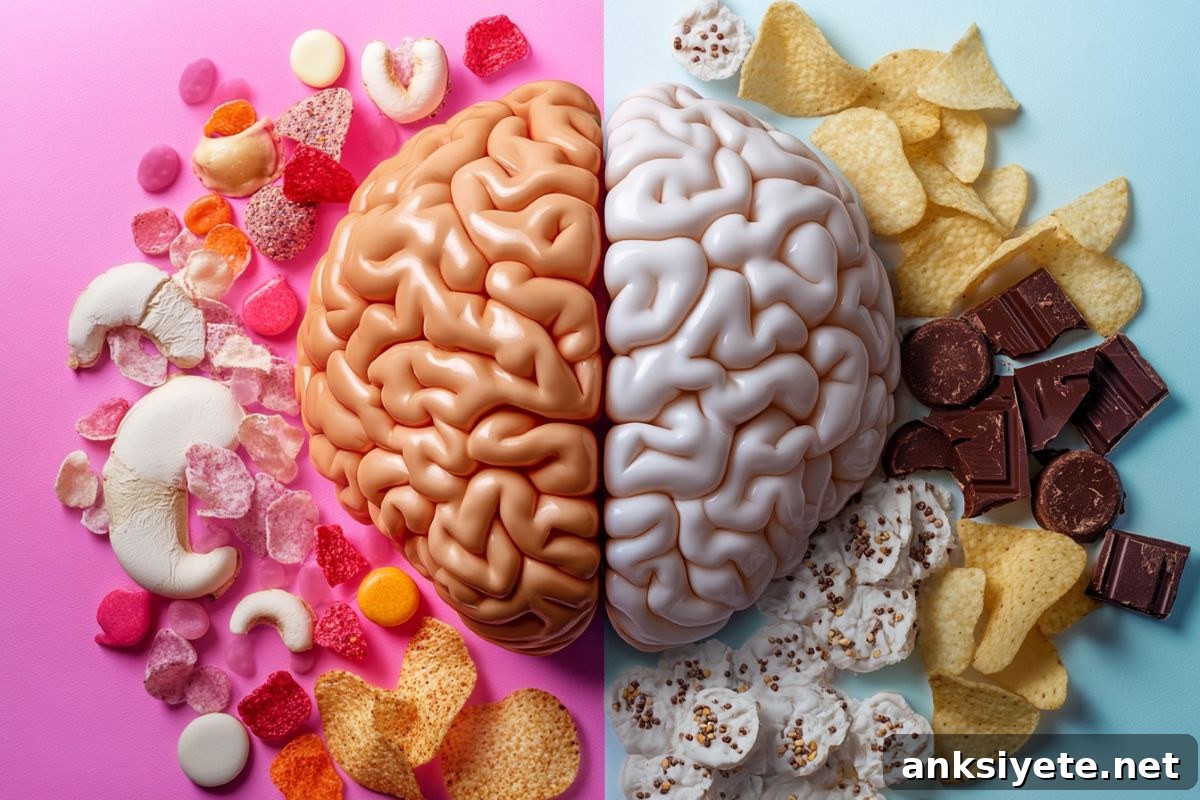
Summary: A new study shows that eating calorie-dense, highly processed foods for only five days can reduce the brain’s sensitivity to insulin—a key factor linked to obesity and type 2 diabetes. Even in otherwise healthy adults, brief periods of poor diet changed brain function in ways that resemble the insulin resistance typically found in people … Read more

What Dragon Myths Reveal About Brain Evolution

featured 85982

Summary: Researchers built a molecular atlas of the bearded dragon’s brain and compared it with mouse data. The results indicate that mammalian brains are not simply an ancient reptilian structure with added new parts; rather, both reptiles and mammals evolved clade-specific neuron types and circuits from a shared ancestral set. Source: Max Planck Institute Scientists … Read more

Decoding Molecular Signals of the Gut-Brain Axis

featured 116369

Summary: Researchers have decoded how bacteria in the gut can directly signal the nervous system by identifying the exact chemical cues and receptors involved. Using the nematode Caenorhabditis elegans as a model, the study reveals specific bacterial polysaccharides and pigments that activate or inhibit an enteric sensory neuron, offering a clear chemical pathway by which … Read more

Two Early Signals Shape Brain Structure, Vary by Individual

featured 109473

Summary: A new study reveals how two key morphogens—WNT and Sonic Hedgehog (SHH)—act like molecular “traffic cops” to direct early human brain development. Using a custom diffusion device and organoids derived from human stem cells, researchers found that just five days of exposure to spatial gradients of these signals activates gene programs that determine regional … Read more

Lithium Could Protect Neurons After Traumatic Brain Injury

featured 40626

Summary: Researchers report that lithium, a medication commonly used to treat bipolar disorder, and the drug rapamycin can help protect neurons and limit further damage after traumatic brain injury (TBI). Source: Rutgers University Lithium and Rapamycin Show Promise for Protecting Neurons after Traumatic Brain Injury A new study from Rutgers University suggests that two existing, … Read more

Mouse Study Links Antiviral Immune Response to Depression

featured 30255

The flu and other viral infections are well known to produce physical symptoms like fever and sore throat, but they also commonly cause mood and cognitive changes. A 2016 study in Immunity investigated how antiviral immune responses affect brain function and identified a specific pathway linking peripheral interferon signals to altered neuronal activity in the … Read more