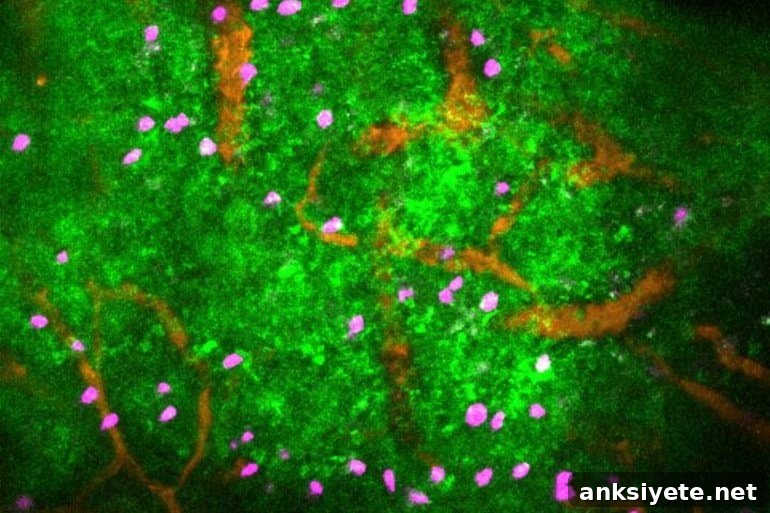
How Illusion-Creating Neurons in the Brain Shape Our Perception

featured 112803

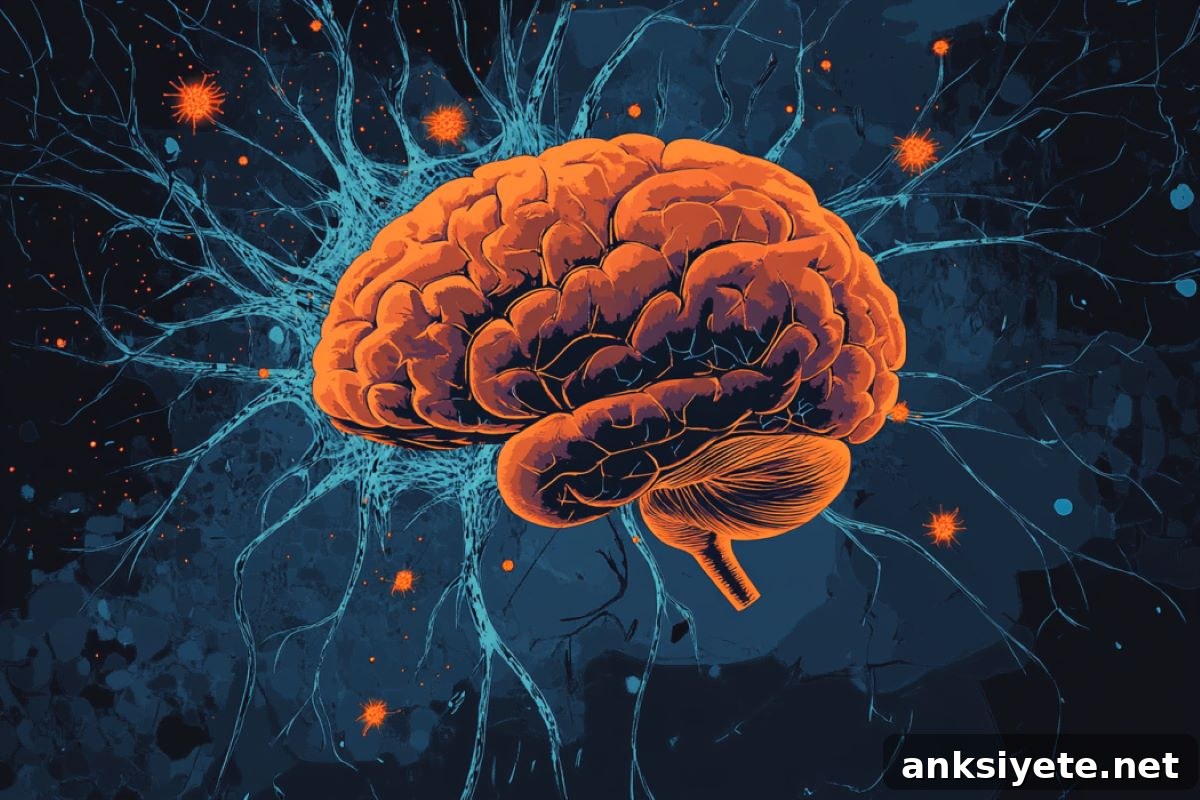
Summary: Researchers have identified a specialized class of neurons, called IC-encoder neurons, that cause the brain to “see” illusory shapes—such as squares or triangles that aren’t present in the raw visual input. These cells receive top-down signals from higher visual areas and then complete missing contours in primary visual cortex, actively constructing the perceptual edge … Read more

How Overactivating Toxic Pathways Can Help Treat Brain Tumors

featured 20169

DNA mutations can drive cancer, yet in certain cases a higher number of mutations may predict a better outcome. A comprehensive genomic study led by Yale researchers, analyzing more than 700 brain tumors, has identified a distinct subtype of glioblastoma (GBM) — the most aggressive form of brain cancer — that carries an unusually large … Read more

Age-Related Hearing Loss Raises Risk of Cognitive Decline

featured 54188

Summary: A longitudinal study finds that hearing impairment in older adults is linked to faster cognitive decline. Higher education appears to reduce this effect for mild hearing loss, but not for moderate-to-severe loss. Source: UCSD Hearing loss is a common consequence of aging, and its relationship to cognitive decline is an important public health concern. … Read more

How to Make Decisions When the Glass Seems Half Empty

featured 76139

Summary: New research maps how anxiety shifts decision-making in the brain, biasing choices toward avoidance and pessimism. Source: Kyoto University Is a higher-paying job worth an extra hour of commuting each day? Many decisions force us to weigh potential rewards against anticipated discomfort. New findings show that anxiety tilts this internal cost–benefit balance, making people … Read more

Traumatic Brain Injury Disrupts Immune Cell Recycling in Brain

featured 92118

Summary: After traumatic brain injury (TBI), the brain’s immune cells show a marked slowdown in their internal recycling process (autophagy), allowing cellular waste to accumulate and worsen inflammation and recovery. Stimulating autophagy with rapamycin reduced neuroinflammation and improved functional recovery in a mouse model of TBI. Source: University of Maryland Every year in the United … Read more

What Neuroscience Reveals About Prosocial Behavior

featured 49055

Summary: New research clarifies how the somatosensory cortex contributes to prosocial behavior. Source: Netherlands Institute for Neuroscience, KNAW. Helping people in need is a cornerstone of human society. It is often assumed we help because we empathically share others’ pain. Neuroscience has shown that when we see someone in pain, brain regions involved in touch … Read more

Brain Endurance Training Improves Focus in Older Adults

featured 105357

Summary: Brain Endurance Training (BET) — a combined cognitive and physical exercise program originally developed for athletes — significantly improves both cognitive and physical performance in older adults. In a controlled study of sedentary women aged 65–78, participants who completed BET experienced larger gains in attention, executive function, and physical endurance than those who did … Read more

Breast Milk Linked to Early Brain Growth in Preterm Infants

featured 30463

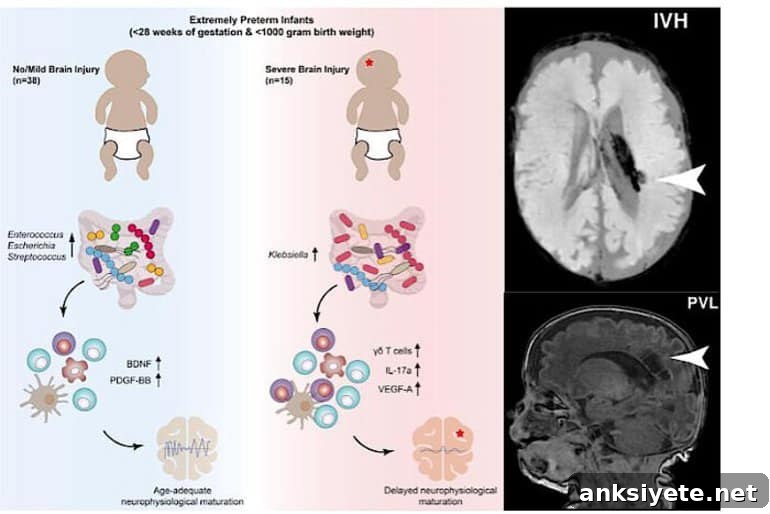
Preemies fed mostly breast milk had larger brains by their due dates than those who consumed small amounts or none. Feeding premature infants primarily breast milk during the first month of life is associated with more substantial early brain growth compared with feeding regimens that include little or no breast milk. Researchers studying preterm infants … Read more

How Poverty and Hardship Drive Risk Taking in Older Adults

featured 26831

Study examines the relationship between life circumstances and risk-taking among older adults Numerous studies have found that people generally become less willing to take physical, social, legal, or financial risks as they age. But is that decline universal across cultures and countries? Do social and economic conditions — such as poverty, violence, or income inequality … Read more

Mouse Study Finds Drug Target for Social Interaction in Autism

featured 34111

Summary: A new study identifies a potential drug target that may increase social interaction in some forms of autism spectrum disorder (ASD). Source: University of Pennsylvania Perelman School of Medicine Researchers at the Perelman School of Medicine, University of Pennsylvania, report a promising drug target that could improve social interaction in some forms of autism … Read more