How Environmental Changes Can Temporarily Boost IQ

featured 29255

Scientists have long agreed that human development reflects a complex interplay between inherited traits and the environments in which people are raised. How much each factor contributes remains a central question in psychology and developmental science. To shed light on the nature-versus-nurture debate, UC Santa Barbara psychologist John Protzko reanalyzed data from a major longitudinal … Read more
How Music and Sound Soothe and Connect Us

featured 92170

Summary: Researchers examine how sound and music can soothe, energize, and strengthen human connections, and how advances in auditory science may restore hearing. Source: USC When Ludwig van Beethoven began losing his hearing around 1798, he attributed it to a fall. Modern investigators, however, point to possible causes such as illness, lead exposure, or structural … Read more

AI Is Redefining Alzheimer’s Disease: Breakthroughs in Research

featured 68792

Summary: New artificial intelligence technology will analyze clinical data, brain images, and genetic information from Alzheimer’s patients to identify novel biomarkers and patterns associated with the disease. Source: University of Pennsylvania With effective Alzheimer’s treatments still scarce, researchers are turning to biomarkers—early biological indicators of disease—to improve diagnosis, patient stratification, and treatment development. Large-scale data … Read more

Dyslexia Genes Alter Motor, Visual, and Language Brain Circuits

featured 107180

Summary: A large-scale genetic study shows that DNA differences linked to dyslexia are associated with measurable variations in brain regions that support motor coordination, vision, and language processing. Researchers combined genetic data from over one million people with brain imaging from tens of thousands of adults to compute polygenic scores for dyslexia and examine how … Read more

Why Older Adults Become More Positive When Distressed

featured 81476

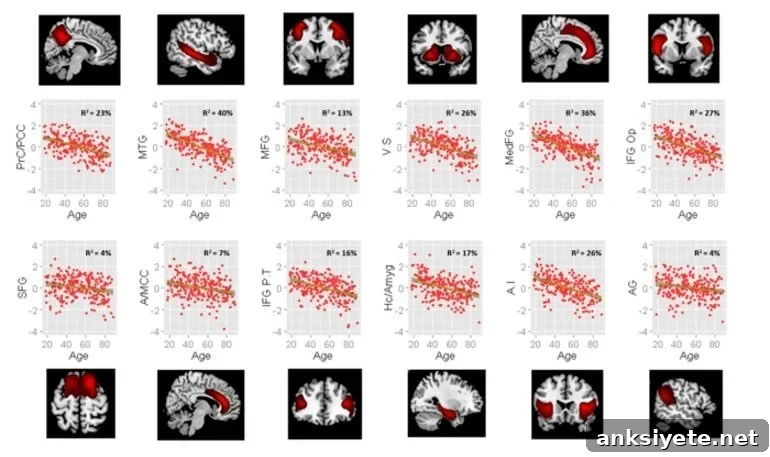
Summary: Older adults tend to respond more positively to both emotional and neutral information and are better at reframing negative experiences into positive ones. Source: University of New South Wales Do people get better at managing and responding to their emotions as they age? A large new study led by UNSW psychologist Dr Susanne Schweizer, … Read more

Study: Father’s Parenting Style Can Be Predicted Before Birth

featured 74996

Summary: Expectant fathers who show stronger brain activation in theory-of-mind regions and higher prenatal oxytocin tend to endorse a more “baby-led,” empathetic parenting style after their child is born. Source: USC When a baby cries, caregivers must interpret needs without words. That ability depends on mentalizing—the imaginative capacity to infer another person’s thoughts, feelings and … Read more

Step-by-Step Protocol to Build a Human Blood-Brain Barrier Model

featured 44767

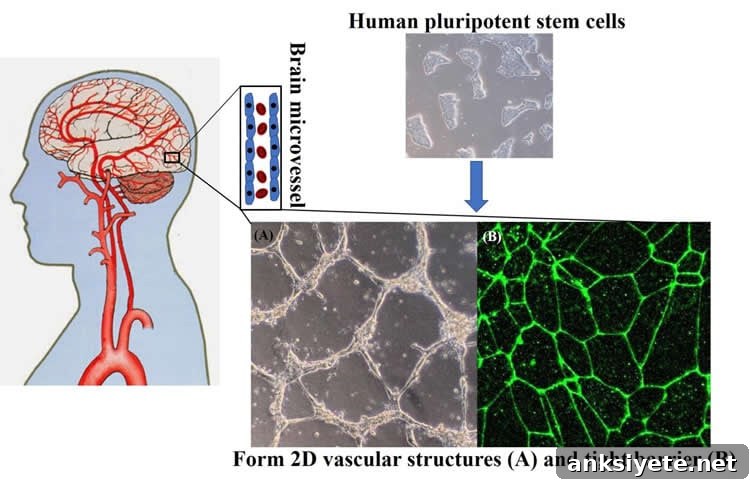
Summary: Researchers have established a defined, chemical-based method to produce more realistic human blood-brain barrier cells in vitro. Source: University of Wisconsin–Madison. The blood-brain barrier (BBB) is the brain’s gatekeeper: a tightly regulated layer of endothelial cells that restricts blood-borne toxins and pathogens from entering the central nervous system. This specialized barrier is essential for … Read more

Brain Changes Tied to Chronic Pain in Gulf War Veterans

featured 83725

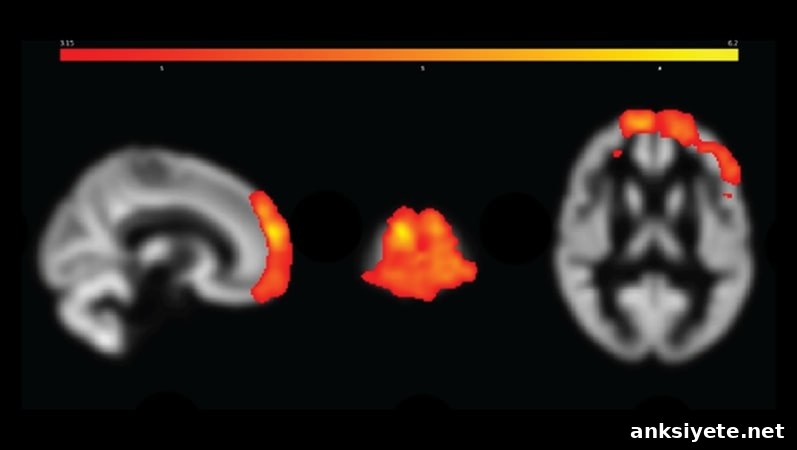
Summary: Neuroimaging research finds that Gulf War Veterans who suffer chronic pain show enlarged brain regions tied to pain processing and reduced volume in regions responsible for pain regulation. Source: SfN New MRI-based research reported in the Journal of Neuroscience shows measurable differences in brain structure between Gulf War Veterans with chronic musculoskeletal pain and … Read more

How Movement Reveals Identity: Decoding Dynamic Cues

featured 111735

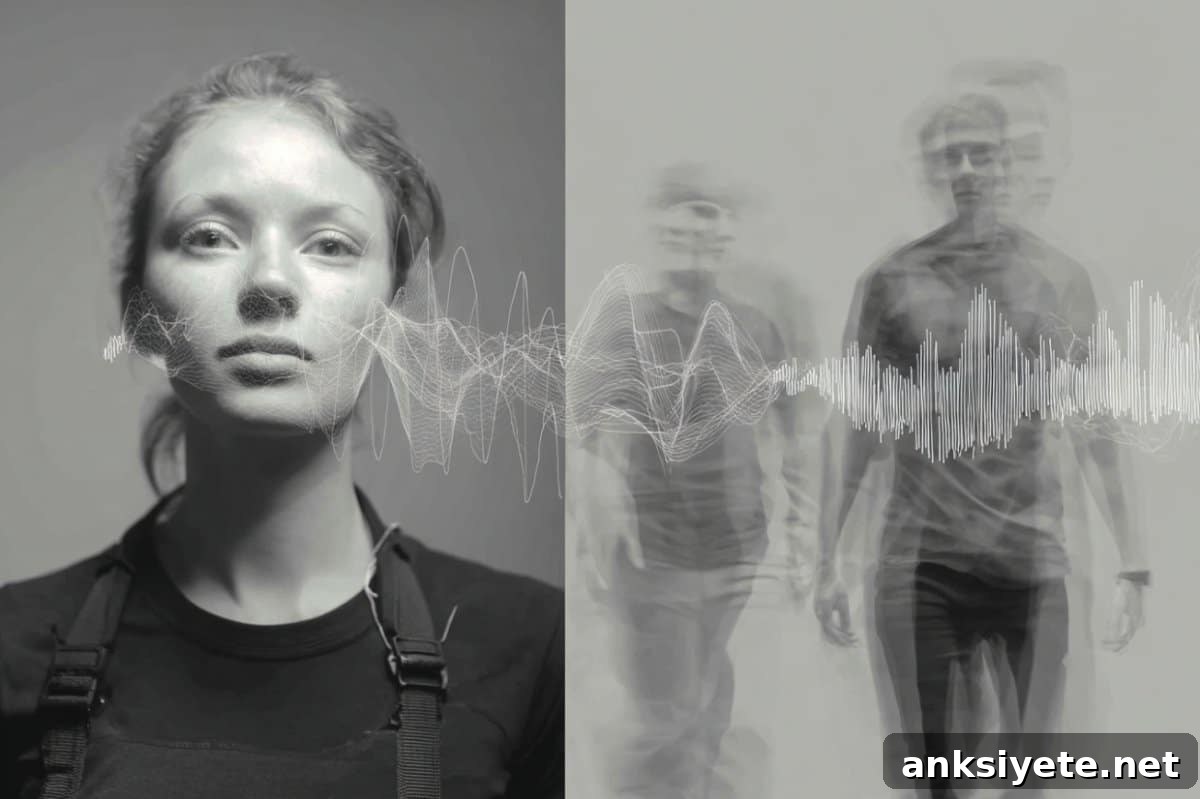
Summary: Recent research emphasizes the importance of dynamic motion in recognizing familiar people, showing that movement patterns—across faces, voices, and bodies—carry distinctive, learnable signals that support identification even when static features are unclear. Motion cues are acquired through experience and can be combined across senses in the brain, but questions remain about how consistent, distinctive, … Read more

Two Genes Unlock New Neuron Growth in Aging Brains

featured 42738

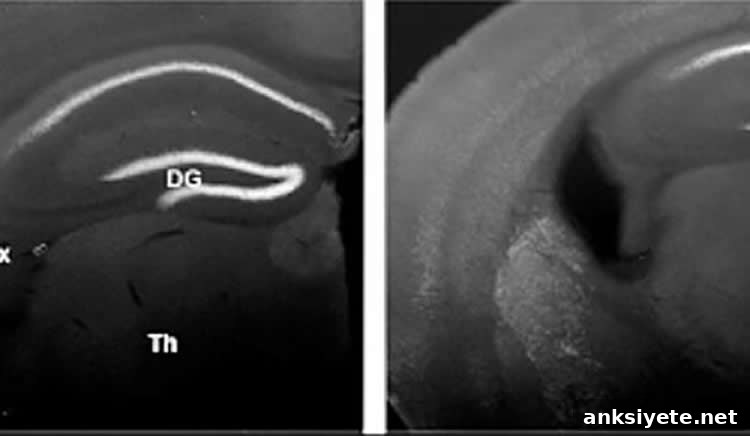
Summary: A new study uncovers how two Pumilio genes, PUM1 and PUM2, control the production of new neurons in the dentate gyrus and how their loss reproduces features of Fragile X Syndrome in mice. Source: Yale. Researchers at Yale report that two genes, PUM1 and PUM2, act as critical post-transcriptional regulators that support the generation … Read more