Burnout Linked to Depression: Unexpected Causes to Watch
featured 64747

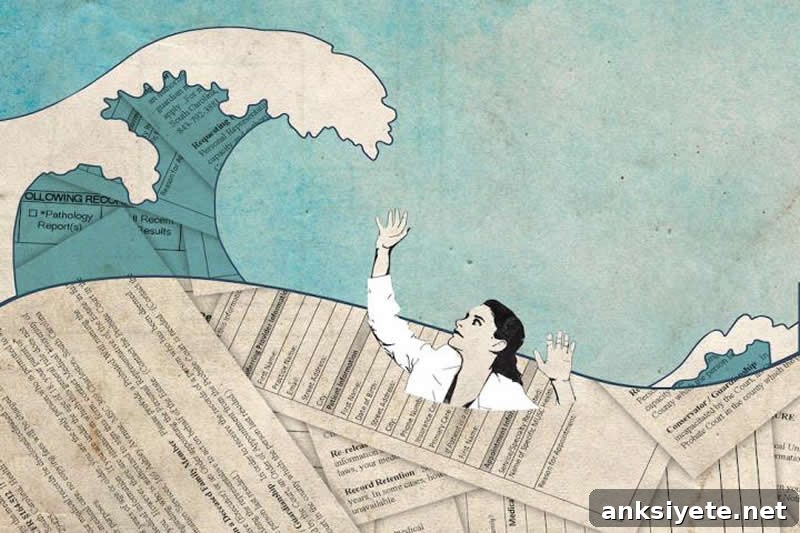
Summary: A new study challenges the common assumption that burnout is primarily driven by workplace conditions while depressive symptoms are mainly shaped by personal factors. Researchers report that the factors linked to burnout overlap substantially with those that predict depressive symptoms, suggesting a closer relationship between the two than previously recognized. Source: Medical University of … Read more

How Multiple Sclerosis Changes Brain Cells: Latest Research

featured 53829

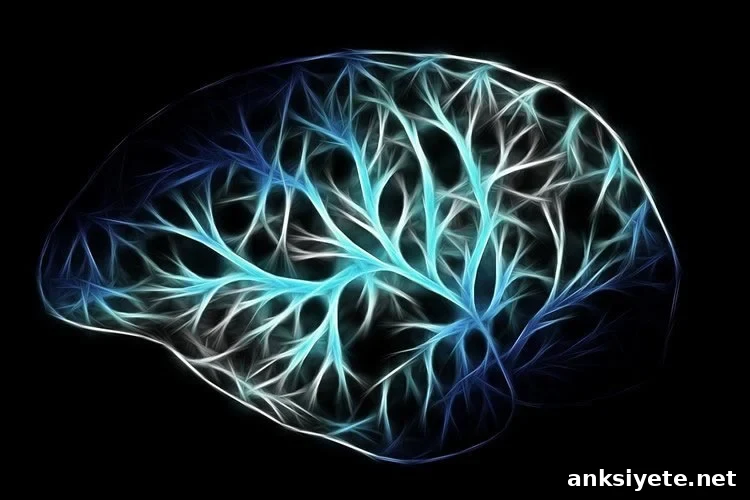
Summary: New research reveals distinct populations of brain cells linked to multiple sclerosis (MS). Scientists found multiple types of oligodendrocytes and a markedly different balance of these cells in people with progressive MS compared with healthy brains. These discoveries offer fresh directions for therapies aimed at restoring myelin and slowing disease progression. Source: University of … Read more

New Study Shows How Seeds Hear the Weather

featured 116439

Summary: For a tiny seed, the patter of rain is not merely a calming sound — it can be a powerful cue for survival. New experiments from MIT provide direct evidence that seeds and seedlings can use acoustic vibrations to sense their environment and accelerate germination. Researchers submerged rice seeds in shallow water and simulated … Read more

How Olfactory Receptor Variation Shapes Human Smell Perception

featured 12645

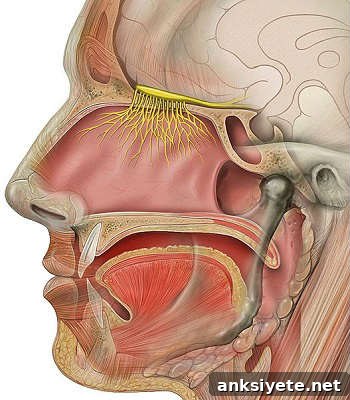
Variation in Human Olfactory Receptors and Its Impact on Smell Perception Not every nose perceives scents the same way. New research shows that as much as 30 percent of the human olfactory receptor repertoire can differ between two individuals, and these differences help explain why smells are perceived with varying intensity, quality and pleasantness. Humans … Read more

Motor Neurons Detect Their Own Errors in Muscle Control

featured 13576

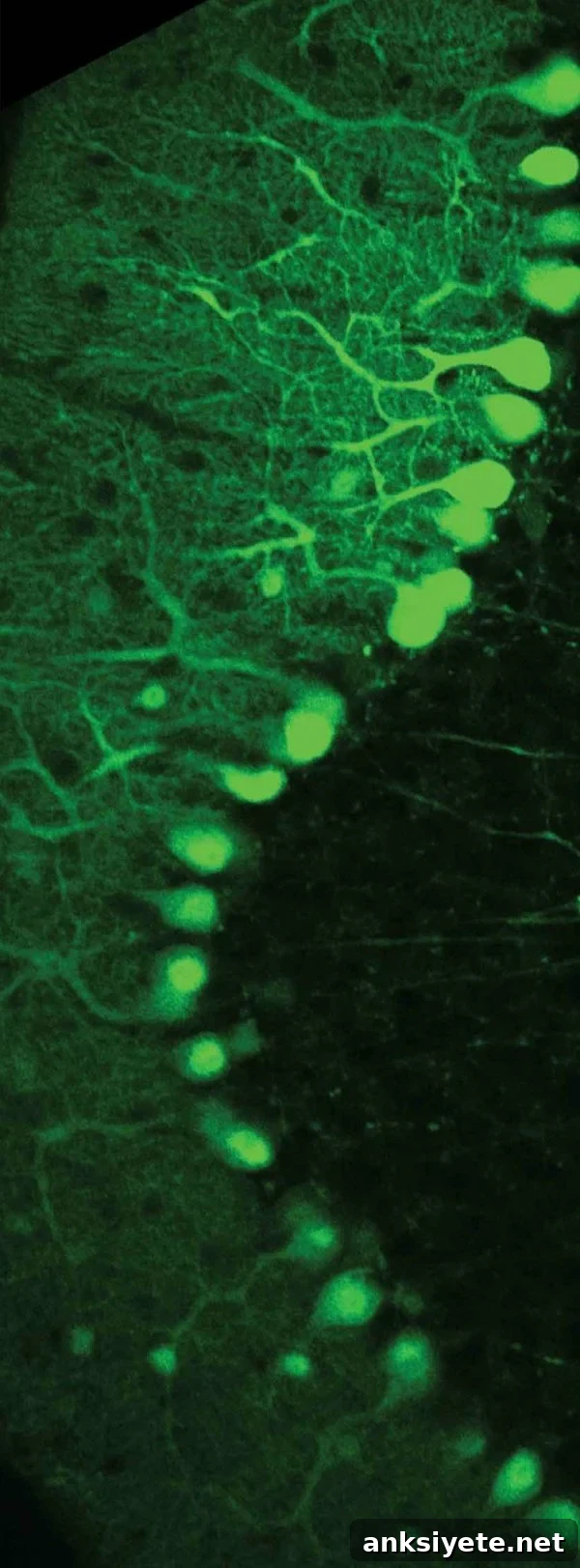
Whether performing a piano sonata or serving an ace in tennis, the brain must precisely coordinate many muscles while continuously monitoring feedback from the senses. Two key players in that process are Purkinje cells, which direct motor output, and climbing fibers, which report errors or unexpected sensations. A team from the University of Pennsylvania and … Read more

Why More Communication Improves Team Coordination

featured 54182

Summary: Researchers report that physical coordination through touch becomes more effective as group size increases. These results may inform group-based physical rehabilitation strategies and the design of multi-agent robotic systems that must coordinate movement. Source: Tokyo Institute of Technology Physical Coordination Improves in Larger Groups, Study Finds Teams of researchers from Tokyo Institute of Technology, … Read more

Folic Acid Could Cut Autism Risk Tied to Pesticide Exposure

featured 43345

Summary: A UC Davis-led study found that pregnant women who take at least 800 micrograms of folic acid around the time of conception may reduce their children’s risk of autism spectrum disorder (ASD) associated with household and agricultural pesticide exposures. Source: UC Davis. High Folic Acid Intake Around Conception May Lower Pesticide-Related Autism Risk Researchers … Read more

Social Isolation Raises Inflammation Markers in Older Adults

featured 78529

Summary: Blood tests from older adults who experienced social isolation showed elevated levels of interleukin‑6 and C‑reactive protein, two inflammatory biomarkers linked to poorer long‑term health. Source: Wiley New research published in the Journal of the American Geriatrics Society indicates that older adults in the United States who experienced social isolation had higher circulating levels … Read more

How Fly Brains Use Universal Neural Design to Predict

featured 74235

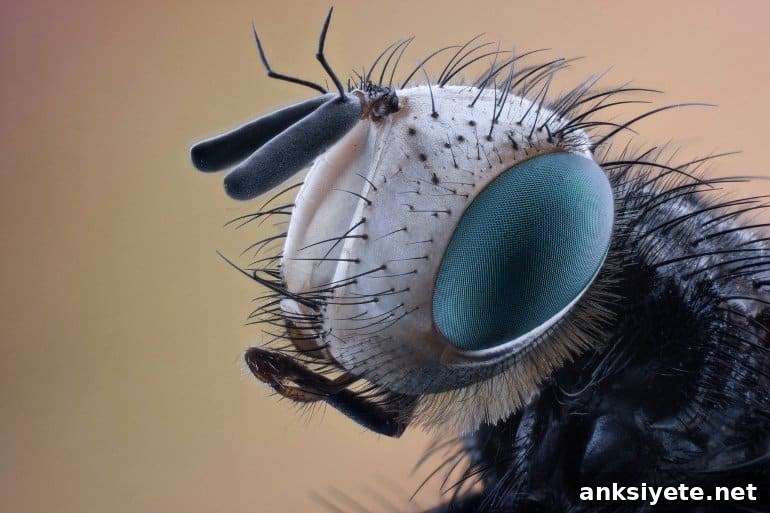
Summary: New findings indicate that flies use predictive processing in their visual system to execute rapid evasive maneuvers, suggesting prediction may be a widespread strategy across animal nervous systems for supporting fast behavioral responses. Source: University of Chicago Researchers at the University of Chicago report that flies anticipate changes in their visual environment to carry … Read more

Unexpected Stimulus Helps People Stop Actions

featured 46724

Summary: Unexpected sensory events — such as a sudden sound — make people more likely to stop an ongoing action than when no such cue is present. New research explains how surprising cues speed the brain’s communication with the motor system, improving the ability to halt movements rapidly. Source: University of Iowa. Imagine reaching to … Read more