Simple Touches Boost Couples’ Wellbeing and Reduce Stress

featured 49355

Summary: Researchers report that couples who frequently hug or hold hands show lower cortisol levels, fewer physical symptoms, and better sleep. Source: Northwestern University. Would it surprise you to learn that simple acts like holding hands while walking, embracing when you return home, or resting your hand on your partner’s shoulder can improve both partners’ … Read more


Study Finds Loneliness in Young Adults Disrupts Sleep Quality

featured 40960

Summary: A large study of British young adults finds a clear link between loneliness and poorer sleep quality — lonelier participants were more likely to feel tired and have trouble concentrating during the day. Source: King’s College London New research from King’s College London connects loneliness with reduced sleep quality among young adults. Researchers analyzed … Read more

Omega-3 for Kids: Impact on Behavior and Mental Well-Being

featured 101873

Summary: Researchers are conducting an online study to evaluate whether omega-3 supplements can improve children’s behaviour, mood and mental wellbeing. The trial responds to evidence that most children in the UK consume less than half the recommended amount of omega-3 fats and aims to test whether supplementation can address dietary shortfalls and support cognitive and … Read more

Brain Scans Distinguish Bipolar Disorder from Depression

featured 51132

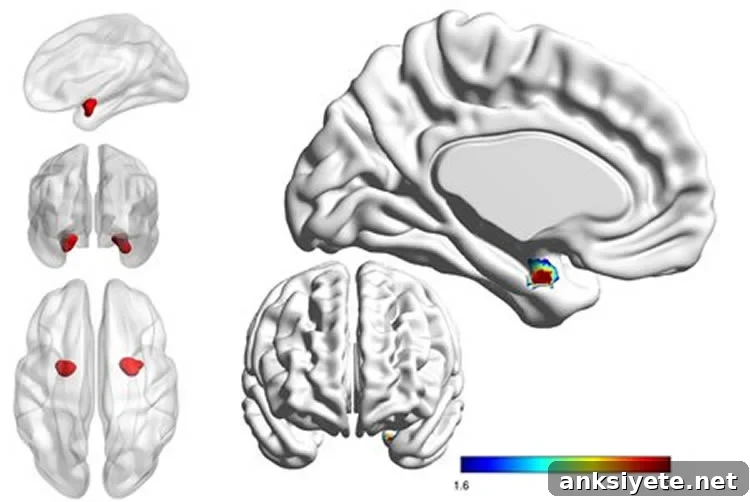
Summary: Advanced neuroimaging shows that people with bipolar depression display reduced left amygdala activity and weaker connectivity with other brain regions compared with those who have unipolar major depression—findings that could improve diagnostic accuracy. Source: Westmead Institute Neuroimaging study identifies amygdala activity and connectivity differences that may help distinguish bipolar disorder from major depression Researchers … Read more

Mini-Brain Study Links Concussion to Alzheimer’s Over Time

featured 96576

Summary: Researchers have created a “traumatic brain injury (TBI) on a chip” to investigate how concussions might trigger processes linked to Alzheimer’s disease. Using clusters of neurons grown from embryonic mouse cortex, the team exposed these miniature, functioning neural networks to g-forces comparable to those experienced in high-impact sports. The model revealed an immediate spike … Read more

How to Be Creative When You Are Frustrated

featured 92366

Summary: By learning to accept and channel frustration, people can tap into greater creative potential—using irritation and fatigue as catalysts for fresh ideas and problem-solving approaches. Source: Jacobs University Response inhibition is a cognitive skill that allows people to suppress automatic or habitual reactions in order to act more deliberately. This capacity helps individuals pause, … Read more

Bipolar Disorder Tied to Reduced Brain Network Efficiency

featured 117522

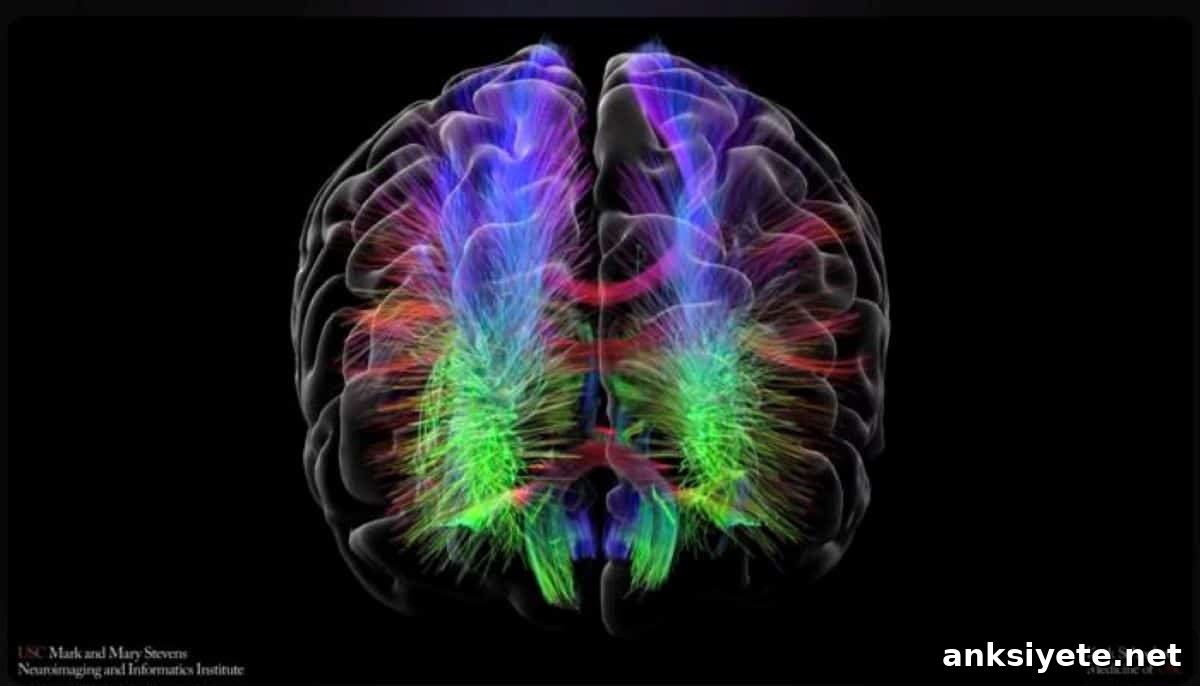
Summary: A large multisite study has mapped structural white matter networks in people with bipolar disorder, revealing subtle but widespread differences in how brain regions communicate. Researchers harmonized diffusion MRI data from 449 individuals with bipolar disorder and 510 healthy controls across 16 international sites through the ENIGMA Bipolar Disorder Working Group to identify system-level … Read more

How Doctors Solved a Medical Mystery in 24 Hours

featured 40034

Summary: Researchers identify the genetic cause of intellectual disability in four male patients in record time. Source: Baylor College of Medicine. In a study published today in PLoS ONE, researchers report a rapid discovery linking small deletions on the X chromosome to a previously unrecognized cause of intellectual disability. Using modern genomic databases and rapid … Read more

Sleep Drunkenness Disorder: Could 1 in 7 Be Affected?

featured 15856

New research highlights the prevalence and risks of “sleep drunkenness,” a disorder that may affect roughly one in seven people. Sleep drunkenness, also called confusional arousals, causes confusion or inappropriate behavior immediately after waking. Episodes can range from simple disorientation—such as answering a phone instead of silencing an alarm—to more alarming actions, including unintentionally aggressive … Read more

How High Blood Pressure Impacts Mental Health

featured 92492

Summary: Researchers have identified links between blood pressure, depressive symptoms, emotional brain activity, and the later development of hypertension. Source: Max Planck Institute Our mental health and cardiovascular system are closely connected. A recent large-scale study from the Max Planck Institute for Human Cognitive and Brain Sciences (MPI CBS) in Leipzig examined how mental health … Read more