
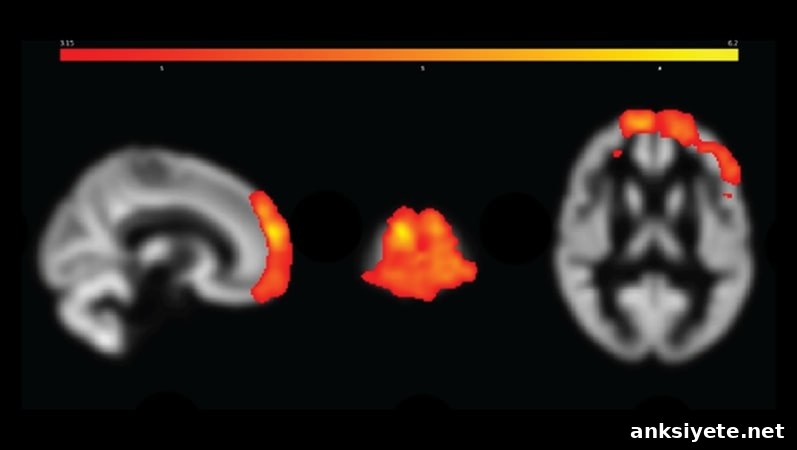
Summary: Neuroimaging research finds that Gulf War Veterans who suffer chronic pain show enlarged brain regions tied to pain processing and reduced volume in regions responsible for pain regulation.
Source: SfN
New MRI-based research reported in the Journal of Neuroscience shows measurable differences in brain structure between Gulf War Veterans with chronic musculoskeletal pain and those without such pain. The study suggests that long-term pain in affected veterans may be linked to alterations in central pain-processing networks rather than peripheral nerve damage.
More than one third of veterans from the 1990–1991 Gulf War report persistent, widespread pain as part of a condition often called Gulf War Illness. The persistent, disabling pain experienced by these veterans has been difficult to explain and treat because the biological drivers remain unclear. This new study used structural magnetic resonance imaging (MRI) to examine whether chronic pain in this population corresponds with differences in brain gray matter volume.
Researchers led by Ninneman compared MRI scans from Gulf War Veterans with chronic musculoskeletal pain (CMP) to scans from veterans without CMP. In addition to brain imaging, participants completed standardized questionnaires assessing pain intensity, fatigue, and mood, and activity levels were measured objectively in a subset of participants.
Key findings show that veterans with chronic pain had smaller gray matter volumes in the left and right insular cortices—regions implicated in descending pain regulation and integration of bodily sensations. Conversely, those with pain showed larger gray matter volumes in parts of the frontal cortex, including areas associated with pain sensitivity and the emotional aspects of pain.
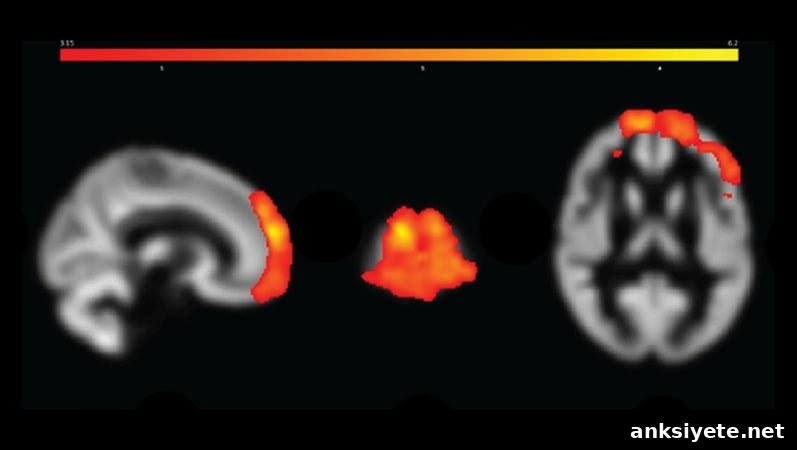
The magnitude of these structural differences correlated with reported pain severity: participants with more severe pain tended to have more pronounced reductions in insular cortex volume and larger frontal cortical volumes. Importantly, the study found no clear relationships between these brain volume differences and measures of fatigue or mood, indicating a more specific link between gray matter alterations and chronic pain symptoms.
About this pain research news
Author: Calli McMurray
Source: SfN
Contact: Calli McMurray – SfN
Image credit: Ninneman et al., Journal of Neuroscience (2022)
Original Research: Closed access. Title: “Pain, but not Physical Activity, is Associated with Gray Matter Volume Differences in Gulf War Veterans with Chronic Pain” — Ninneman et al., Journal of Neuroscience (2022).
Abstract
Pain, but not Physical Activity, is Associated with Gray Matter Volume Differences in Gulf War Veterans with Chronic Pain
Chronic musculoskeletal pain (CMP) imposes a substantial burden on veterans of the Persian Gulf War, yet the underlying biology is not well defined. Prior studies have identified brain structure differences in Gulf War Veterans, but how those differences relate to potentially modifiable lifestyle variables—such as physical activity or sedentary behavior—has remained unclear.
This study evaluated regional gray matter volume and its associations with symptoms, objectively measured physical activity, and sedentary time in Gulf War Veterans with and without CMP. The sample included 98 veterans with CMP (10 females) and 56 control veterans without CMP (7 females). All participants underwent T1-weighted MRI, completed validated questionnaires for pain, fatigue, and mood, and had physical activity tracked by actigraphy.
Voxel-based morphometry was used to quantify regional gray matter volumes and compare groups using analysis of covariance. Multiple linear regression models tested associations among physical activity intensities, sedentary time, symptom severity, and regional gray matter volumes, with family-wise cluster error rates applied to control for multiple comparisons (α = 0.05).
Compared with healthy veteran controls, veterans with CMP reported higher levels of pain and fatigue, worse mood scores, engaged in less moderate-to-vigorous physical activity, and spent more time sedentary (all p < 0.05). Imaging analyses revealed smaller gray matter volumes in bilateral insular cortices and larger volumes in the frontal pole in the CMP group (p < 0.05, adjusted). Gray matter volume in the left insula was significantly associated with pain severity (partial r ≈ -0.26 to -0.29, p < 0.05, adjusted). No significant associations emerged between gray matter volumes and either physical activity or sedentary time after correction for multiple comparisons.
Overall, veterans with CMP exhibited structural differences within a key node of the descending pain-modulation network (insula) and in regions linked to pain perception and affective processing. These differences may reflect processes involved in the chronification of pain.
Significance Statement:
The mechanisms driving chronic pain in Gulf War Veterans have been underexamined. In this large sample, veterans with chronic musculoskeletal pain showed reduced gray matter volume in regions associated with pain regulation and increased volume in regions tied to pain sensitivity and emotional processing. Gray matter reductions in pain-regulating regions were correlated with pain severity and accounted for the main group differences in brain volume. These findings point toward impaired central pain modulation as a contributing factor to persistent pain in Gulf War Illness and highlight targets for future research into diagnosis and treatment strategies.