
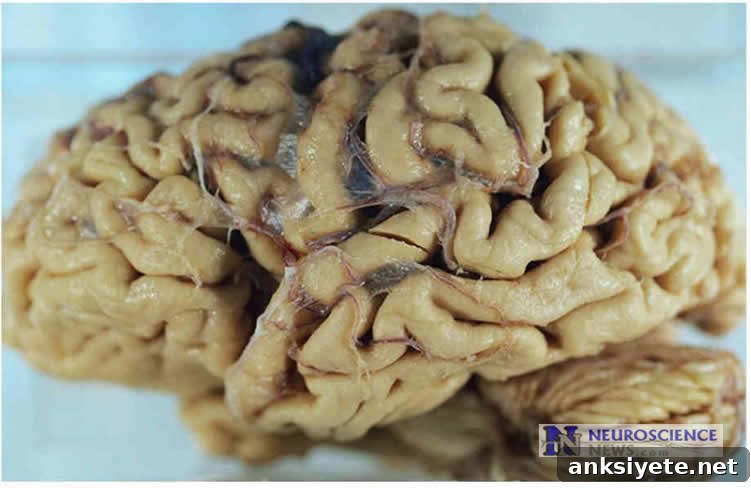
New research indicates that older women who report memory problems are more likely to receive a diagnosis of memory or thinking impairment years later. The study was published online October 28, 2015, in the journal Neurology.
“Subjective memory complaints can be an early sign of a slowly progressing process such as Alzheimer’s disease,” said Allison Kaup, PhD, of the San Francisco VA Medical Center and the University of California, San Francisco. “Previous studies have shown links between self-reported memory concerns and later cognitive decline, but our study tracked women for nearly 20 years, longer than most prior work.”
The researchers followed 1,107 community-dwelling women who were dementia-free at baseline; their average age was 70. Participants were repeatedly asked the yes/no question, “Do you feel you have more problems with memory than most?” over an 18-year period. At the end of follow-up, an expert panel assessed cognitive function to determine whether participants remained cognitively normal or had developed mild cognitive impairment or dementia.
Key health and demographic factors—including education, depression, hypertension, diabetes, stroke, and heart disease—were taken into account in the analyses.
At the start of the study, 89 women (8 percent) reported memory complaints. Over the course of follow-up, those women were significantly more likely to be diagnosed with memory or thinking impairment than women without such complaints: 53 percent of women who initially complained about their memory went on to receive a diagnosis, compared with 38 percent of women who did not report memory problems. After adjusting for potential confounders, baseline memory complaints were associated with a roughly 70 percent increased odds of later cognitive impairment.
The association strengthened when memory concerns were reported closer to the time of diagnosis. Memory complaints reported 10 years before the final assessment were associated with about a 90 percent increased risk of later diagnosis, while complaints reported four years before the end of the study were associated with roughly a threefold increase in risk compared with those who reported no problems at those same time points.
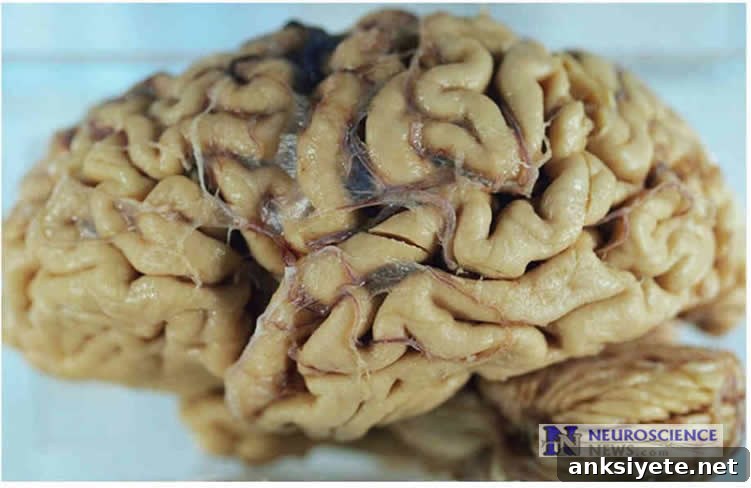
“Although the observed effects are modest, they support the idea that subjective memory complaints in older adults should not be dismissed,” Kaup added. “These complaints may provide an early warning that warrants closer monitoring and, when appropriate, evaluation for reversible causes or early interventions.”
Important limitations include the study’s focus on a largely European-American female sample, which limits generalizability to men and to other racial and ethnic groups. The question used to assess subjective memory complaints was brief and binary, capturing perceived problems but not their severity or specific nature.
Funding: The research was supported by the National Institutes of Health, the National Institute on Aging, the U.S. Department of Veterans Affairs, the San Francisco Veterans Affairs Medical Center, and the Department of Veterans Affairs Sierra-Pacific Mental Illness Research, Education, and Clinical Center.
Source: Rachel Seroka – American Academy of Neurology
Image credit: The image is in the public domain.
Original research: “Memory complaints and risk of cognitive impairment after nearly 2 decades among older women” by Allison R. Kaup, Jasmine Nettiksimmons, Erin S. LeBlanc, and Kristine Yaffe, published online October 28, 2015, in Neurology. doi:10.1212/WNL.0000000000002153
Abstract (summary)
Objective: To evaluate whether subjective memory complaints (SMCs) are linked to long-term risk of cognitive impairment in older adults, given that most studies have shorter follow-up periods.
Methods: This prospective study included 1,107 cognitively normal women aged 65 and older at baseline. SMCs were assessed early in the study and repeatedly over time with the question, “Do you feel you have more problems with memory than most?” Cognitive status was adjudicated by an expert panel approximately 18 years later. Logistic regression models adjusted for demographics, baseline cognition, and health characteristics examined the relationship between SMCs and later cognitive impairment.
Results: Eight percent of participants endorsed SMCs at baseline. Baseline SMCs were associated with increased odds of cognitive impairment nearly two decades later (adjusted odds ratio ≈ 1.7). The association persisted after excluding participants with depression and was strongest when SMCs were reported closer to the diagnosis date (adjusted odds ratios rising from roughly 1.6–1.9 a decade or more before diagnosis to about 3.0 four years before diagnosis).
Conclusions: Self-reported memory complaints among older women are associated with higher risk of cognitive impairment nearly 20 years later. These subjective complaints may represent an early indicator of a gradual neurodegenerative process, such as Alzheimer’s disease, and should prompt monitoring and clinical consideration.