How Changing Vivid Mental Images Reduces Addiction Cravings
featured 98314

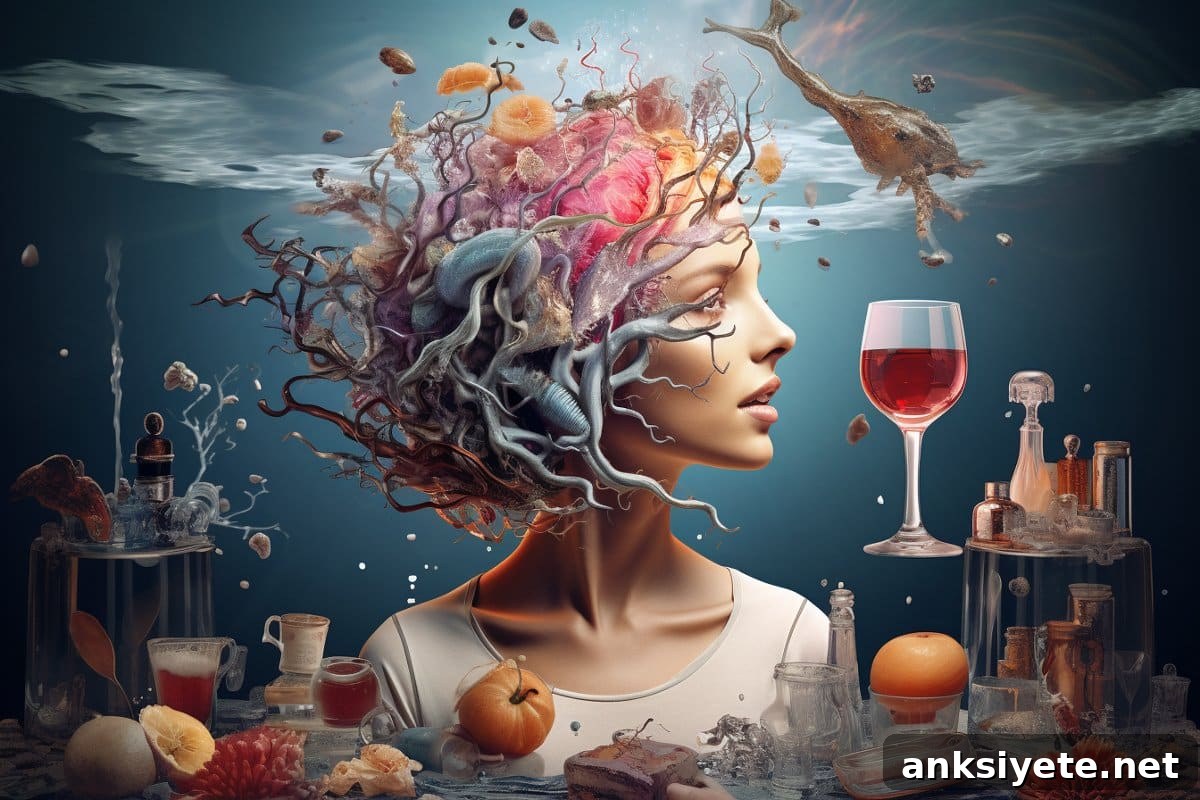
Summary: A new pilot study from Florida Atlantic University evaluates a targeted form of Eye Movement Desensitization and Reprocessing (EMDR) designed to alter the vivid mental imagery that fuels addiction cravings. Combined with cognitive behavioral therapy (CBT), this addiction-focused EMDR approach showed promising reductions in craving intensity, repetitive negative thoughts, and irrational beliefs tied to … Read more
How Mathematical Models Explain Complex Brain Decisions

featured 27674

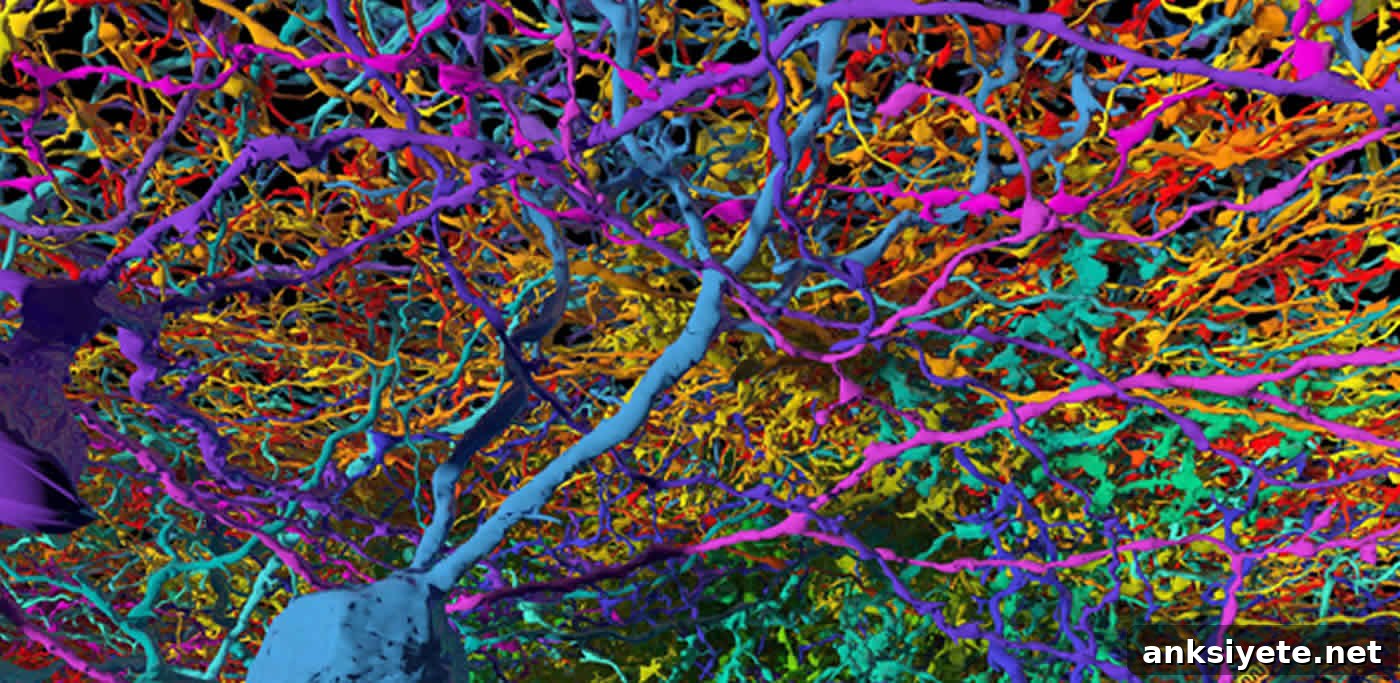
Researchers have developed the first biologically realistic mathematical model describing how the brain plans and learns during complex decision-making. Scientists at the University of Cambridge have created a comprehensive, biologically grounded model that explains how networks of neurons plan ahead, evaluate alternative courses of action, and adapt after errors. Unlike prior accounts that focused mainly … Read more

Study: Genetic Links Tie Alcohol, Tobacco and Opioid Addiction

featured 115567

Summary: A large genetic study of more than 2.2 million people reshapes our understanding of addiction. The research shows that most genetic risk for substance use disorders (SUDs) comes not from how the body metabolizes a drug, but from genes that shape brain systems for reward processing, impulse control and behavioral disinhibition. By analyzing genetic … Read more

How Emotional Abuse Amplifies Menopause Symptoms

featured 52513

Summary: A UC San Francisco study finds that menopausal women who have experienced intimate partner violence, sexual assault, or symptoms of post-traumatic stress disorder (PTSD) report more intense menopause symptoms, including night sweats, sleep problems and painful intercourse. Source: UCSF New research from the University of California, San Francisco shows that emotional abuse, intimate partner … Read more

Prenatal Chemical Mixtures Linked to Altered Brain Development

featured 80641

Summary: Prenatal exposure to complex mixtures of endocrine-disrupting chemicals can alter brain development and is associated with delayed language acquisition in young children. Source: Uppsala University Researchers combining population data with laboratory experiments have demonstrated that real-life mixtures of endocrine-disrupting chemicals (EDCs) encountered during pregnancy can affect early brain development and language outcomes in children. … Read more

How the Brain Controls Movement: Insights from a Bioengineer

featured 14235

A research team at the University of California, San Diego, led by bioengineer Gert Cauwenberghs, is advancing our understanding of how brain circuits control movement. By combining neuroscience, clinical insight, and engineering, the group aims to develop technologies that help people with Parkinson’s disease and other motor impairments regain independence and navigate daily life more … Read more

Maternal Stress Linked to Earlier Teething in Babies

featured 113968

Summary: New research finds that infants whose mothers had higher cortisol levels in late pregnancy tend to have earlier eruption of primary (milk) teeth. On average, babies of mothers with the highest cortisol concentrations had about four more teeth by six months than infants whose mothers had the lowest cortisol levels. The study suggests that … Read more

Auditory Hallucinations Linked to Abnormal Brain Connectivity

featured 66116

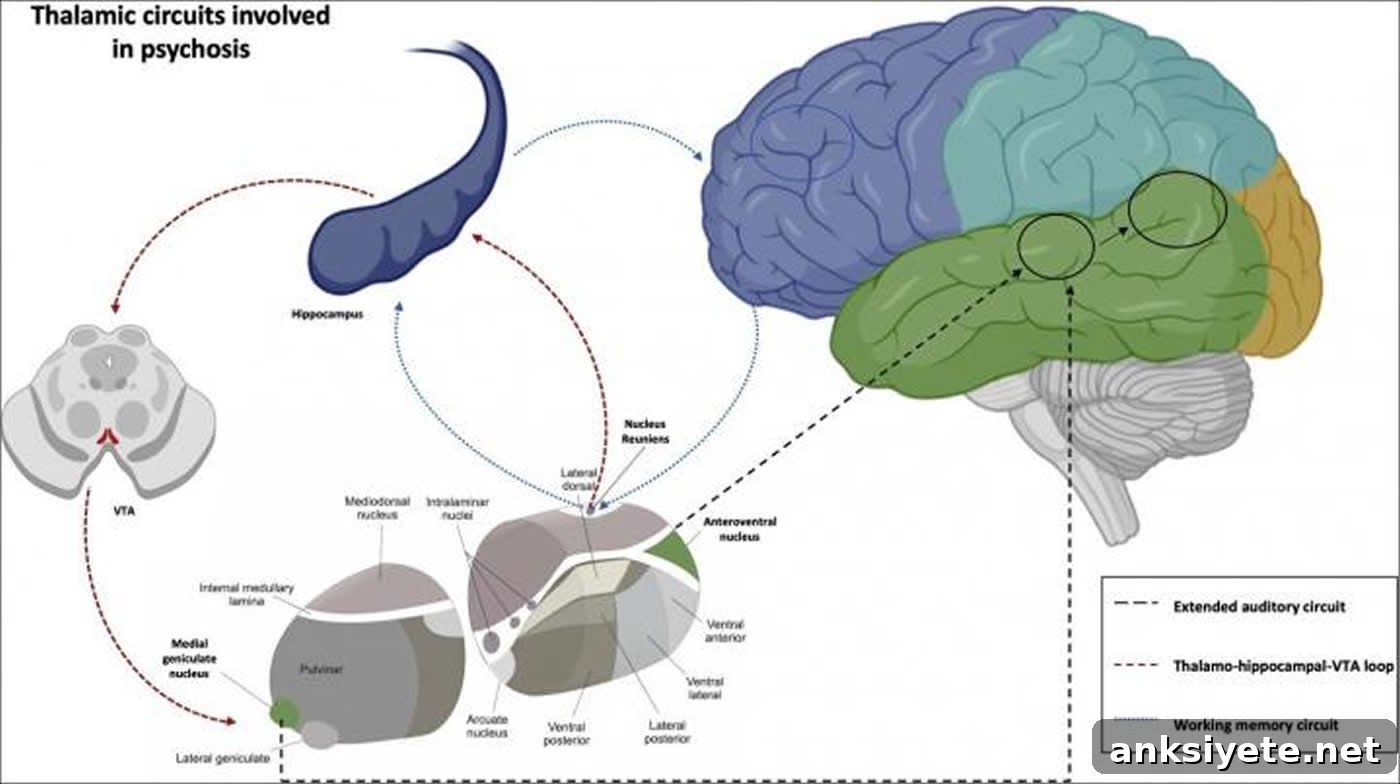
Summary: Auditory hallucinations—hearing voices or sounds without external input—may arise from altered development and increased connectivity between sensory thalamic nuclei and language-processing areas of the brain. Source: Elsevier Auditory hallucinations, a hallmark of psychosis and schizophrenia, occur when people perceive voices or sounds that are not present in the environment. New research suggests these experiences … Read more

How Small Acts of Kindness Happen Every Two Minutes

featured 92771

Summary: Researchers analyzing everyday interactions across multiple countries found that people request small favors roughly every two minutes, and that these low-cost requests are met with assistance far more often than refusal. The study concludes that basic, everyday prosocial behavior—helping when asked and offering explanations when declining—appears consistent across diverse cultures, pointing to a shared … Read more

Genetic Risk for Anxiety Linked to Lower Volunteering

featured 11863

MU researcher finds biological component of “prosocial” behavior linked to social anxiety. Genetic research is increasingly illuminating the biological underpinnings of human behavior. A team led by a University of Missouri researcher reports evidence that prosocial behavior—actions like volunteering, helping others, and providing social support—can be linked to a gene associated with social anxiety. The … Read more