Native American Ancestry Linked to Diabetic Eye Risk in Latinos
featured 15786

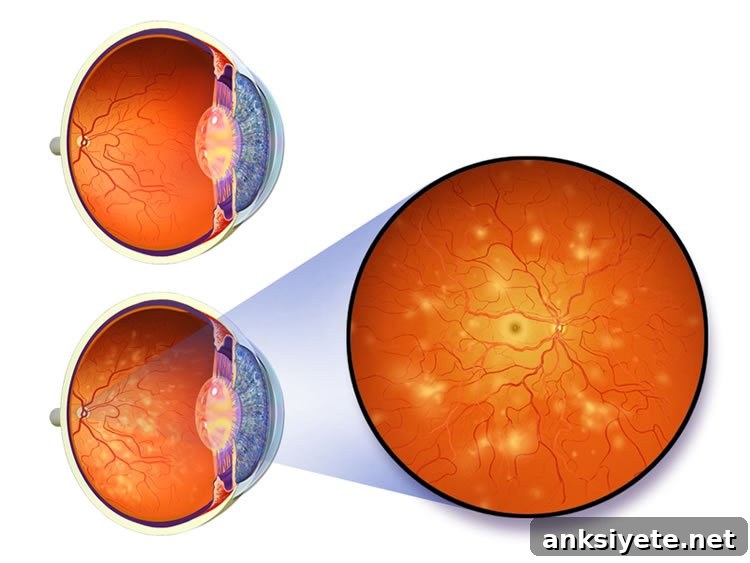
New research led by the University of Southern California (USC) Eye Institute, part of Keck Medicine of USC, identifies Native American ancestry as a notable risk factor for vision-threatening diabetic retinopathy in Latinos with Type 2 diabetes. Published in the peer-reviewed journal Investigative Ophthalmology & Visual Science, the study offers the first evidence, to the … Read more

How COVID-19 Can Damage the Entire Nervous System

featured 65782

COVID-19 and the Nervous System: Northwestern Medicine Review Summary: A comprehensive review finds that roughly half of patients hospitalized with COVID-19 experience neurological symptoms. These range from headaches, dizziness, and loss of smell or taste to seizures and stroke. Evidence indicates that SARS‑CoV‑2 can affect the entire nervous system—brain, spinal cord, peripheral nerves and muscles—and … Read more

How Familiar Elements Make Learning Faster

featured 22531

Carnegie Mellon psychologists uncover critical relationship between working memory and strength of information ‘chunks’. People recall familiar acronyms like FBI, CIA, JFK, IRS and USA more easily than random letter strings such as BIC, IAJ, FKI, RSU and SAF. That difference illustrates a long-recognized learning principle: short-term or working memory capacity is influenced by whether … Read more

SARS-CoV-2 Protein Linked to Parkinson’s Amyloid Formation

featured 79417

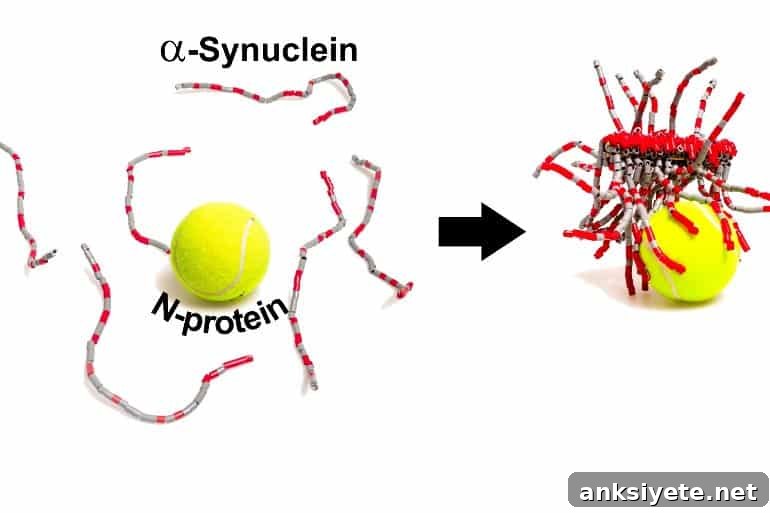
Summary: New laboratory research shows that the SARS‑CoV‑2 nucleocapsid (N) protein can bind to the neuronal protein alpha‑synuclein and accelerate the formation of amyloid fibrils—structures implicated in Parkinson’s disease. Source: ACS Several case reports describing relatively young people who developed Parkinson’s-like symptoms weeks after COVID‑19 infection have raised questions about a possible biological link between … Read more

New Brain Region Found That Drives Behavior Change

featured 44430

Summary: Researchers report that neurons in the posterior cingulate cortex increase activity before animals change behavior. Source: University of Pennsylvania. Have you ever found yourself repeating the same routine and wondered what prompts you to break out of it? Researchers from the University of Pennsylvania, Yale University, Columbia University and Duke University have identified neural … Read more

How Brain Activity Predicts Crowd Behavior

featured 107957

Summary: A recent study demonstrates that brain activity measured in small groups can predict large-scale decision-making. Using functional magnetic resonance imaging (fMRI), researchers found that early activity in the Nucleus Accumbens (NAcc)—a brain region linked to affective responses—consistently aligned with choices made by thousands of online participants. This work highlights the potential of neuroforecasting to … Read more

Omicron Linked to Lower Long COVID Risk Than Delta

featured 83865

Summary: New research indicates that people infected with the Omicron variant of COVID-19 have a 20–50% lower chance of developing long COVID compared with infections that occurred during the Delta wave. Source: King’s College London Omicron appears less likely than Delta to lead to long COVID, according to a new peer-reviewed analysis. Researchers at King’s … Read more

Williams Syndrome Model Sheds Light on the Social Brain

featured 33477

Summary: Researchers have built a human neurodevelopmental model of Williams syndrome that offers new insight into how genetics shapes the social brain. Source: UCSD. Rare genetic deletion creates an unusually social behavioral profile and provides a window into the biology of social cognition, with potential relevance to autism and other social disorders. Researchers at the … Read more

Mechanisms That Assemble and Stabilize Brain Synapses Identified

featured 77867

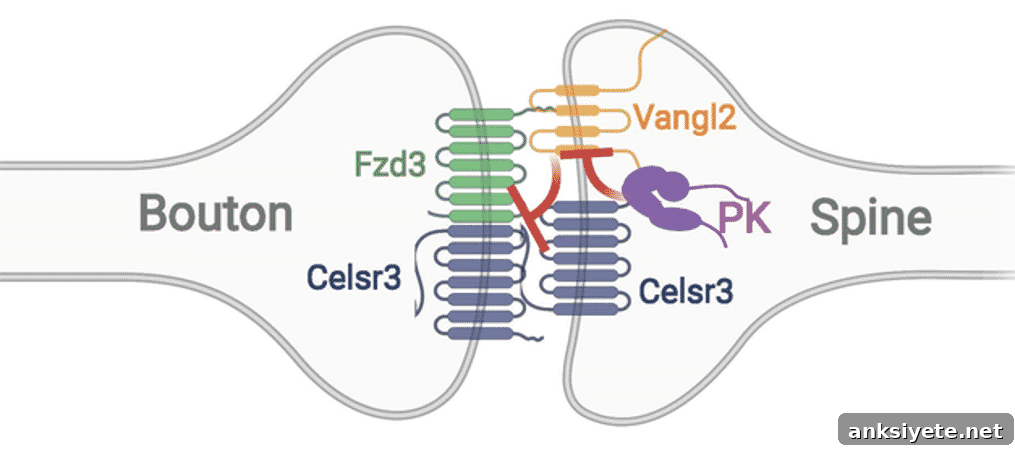
Summary: The planar cell polarity (PCP) signaling pathway plays a central role in the formation and maintenance of a large portion of glutamatergic synapses. Source: UCSD Synapses are the critical junctions between neurons where signals pass throughout the brain and nervous system. Among these, glutamatergic synapses are the primary excitatory connections and display substantial diversity … Read more

Study Finds Psychopaths Do Not Improve With Age

featured 82794

Summary: Contrary to common belief that people mellow with age, this study finds that antisocial personality disorder (ASPD) and psychopathic traits often persist—or even worsen—after age 50, causing substantial harm to partners, family members, and friends. Source: University of Otago New research shows that sociopathic patterns do not reliably diminish with age. A study published … Read more