
Summary: Researchers have developed a brief computerized screening test that can detect mild cognitive impairment and dementia in approximately five minutes.
Source: Kanazawa University
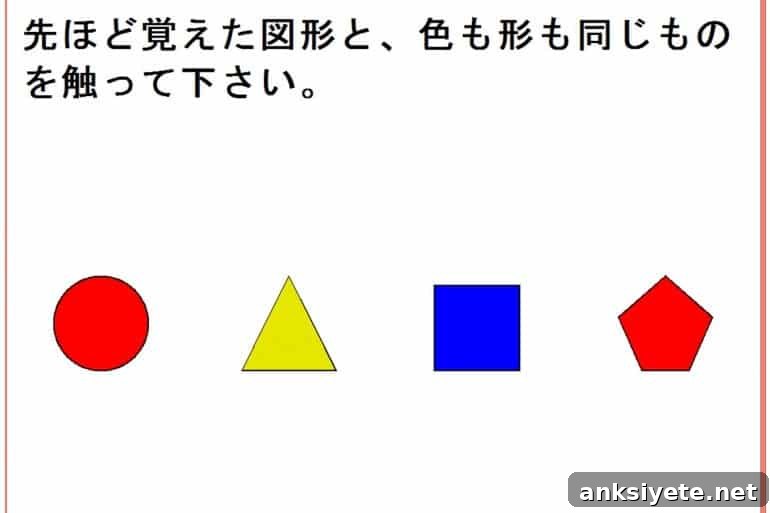
As populations age worldwide, dementia prevalence is rising, making early detection increasingly important. To meet the need for fast, reliable screening, researchers in Japan have created a short computerized cognitive test designed to identify mild cognitive impairment (MCI) and dementia quickly and accurately.
Published in PLOS ONE, the study introduces the computerized assessment battery for cognition (C-ABC). The developers report that the C-ABC can effectively screen for both dementia and MCI in roughly five minutes, a significant reduction compared with many existing computerized tests that often require 10–30 minutes.
Computerized tests are increasingly preferred over traditional paper-and-pencil methods because they offer greater precision and do not require a trained administrator. However, the length and variety of current computerized assessments can complicate selection and use in clinical or community settings. The team at Kanazawa University set out to design a concise, practical tool capable of distinguishing normal cognition, MCI, and dementia with minimal administration time.
“Patients with dementia commonly show disorientation and prominent memory loss, whereas those with MCI and those with normal cognition typically do not display both problems together,” says co-lead author Moeko Noguchi-Shinohara. “We aimed to build a test that efficiently differentiates these cognitive states.”
To validate the C-ABC, the researchers administered the test to adults across three age strata—people in their 50s, 60s, and those aged 70–85—with clinical diagnoses of dementia, MCI, or normal cognition. They analyzed the results using statistical methods to assess how well the battery discriminated among the three cognitive categories.
“The findings were striking,” explains senior author Masahito Yamada. “Using selected items that require only about five minutes to complete, the C-ABC distinguished individuals with MCI from those with normal cognition.”
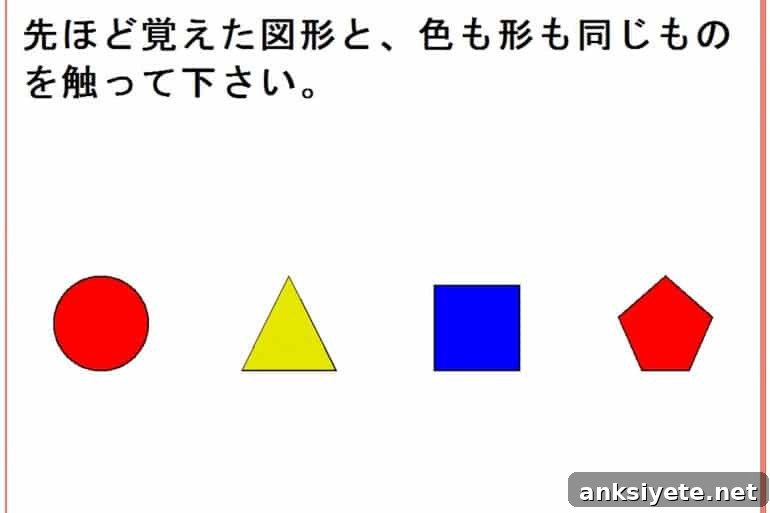
Remarkably, in the 75–80 age range, answers to only two questions were sufficient to separate participants with MCI from those with normal cognition; those two items together took about two minutes to complete. This suggests the C-ABC can be adapted for very brief screening in older adults when time is limited.
When comparing the C-ABC with the widely used Mini-Mental State Examination (MMSE), the researchers observed a strong correlation between scores on the two instruments. However, the C-ABC is notably faster to administer and may be more sensitive to the subtler deficits characteristic of MCI and early-stage dementia.
The study indicates that using a higher sensitivity cut-off makes the C-ABC suitable as an initial screening tool for both dementia and MCI. By offering a quick, automated assessment, the C-ABC could increase access to cognitive screening in clinics, primary care, and community outreach, enabling earlier identification of cognitive decline and more timely referral for diagnostic evaluation or intervention.
About this dementia research news
Source: Kanazawa University
Contact: Tomoya Sato – Kanazawa University
Image: The image is credited to Kanazawa University
Original Research: Open access
“A new computerized assessment battery for cognition (C-ABC) to detect mild cognitive impairment and dementia around 5 min” by Moeko Noguchi-Shinohara et al., PLOS ONE. DOI: 10.1371/journal.pone.0243469
Abstract
A new computerized assessment battery for cognition (C-ABC) to detect mild cognitive impairment and dementia around 5 min
This study aimed to develop and validate the computerized assessment battery for cognition (C-ABC) as a brief screening tool for mild cognitive impairment (MCI) and dementia. The C-ABC was administered to individuals diagnosed with dementia (n = 422), MCI (n = 145), and normal cognition (NC; n = 574). Results were analyzed within age strata: people in their 50s, their 60s, and those aged 70–85 years.
To distinguish MCI from NC, the researchers calculated a combined score by dividing the total C-ABC score by the time required to complete the test. This time-adjusted score produced strong discrimination, with area under the curve (AUC) values of 0.838 and 0.735 in the 50s and 60s age groups, respectively; the complete procedure took roughly five minutes. For distinguishing dementia from NC and MCI, a partial combination of items (items 3 and 6 combined) yielded the best discrimination, with AUCs of 0.910, 0.874, and 0.882 in the 50s, 60s, and 70–85 groups, respectively. In the 70–85 age group, the same items (3 + 6) also provided the best discrimination between MCI and NC with an AUC of 0.794, and this assessment required about two minutes.
Overall, the findings suggest that the C-ABC offers a practical, time-efficient option for initial screening of dementia and MCI. Its brief administration time and automated format make it a promising tool for wider use in clinical practice and community screening programs, supporting earlier detection and timely follow-up care.