
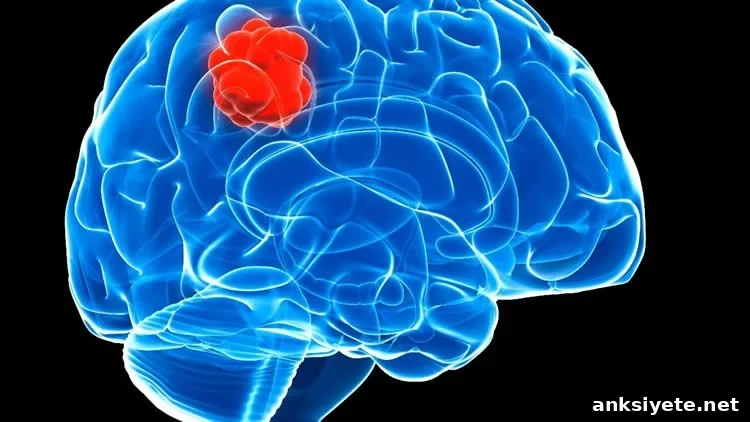
Summary: A new study from MD Anderson explains how the enzyme ACSS2 enables brain tumors to survive and grow in nutrient-starved environments.
Source: MD Anderson Cancer Center.
New research clarifies how the enzyme ACSS2 supports tumor growth under metabolic stress and suggests potential therapeutic strategies.
Cancer cells must secure carbon and energy to grow and spread, even when oxygen and nutrients are scarce within the tumor microenvironment. Researchers at The University of Texas MD Anderson Cancer Center have detailed how the enzyme acetyl-CoA synthetase 2 (ACSS2) helps brain tumors thrive under such harsh conditions. Published online in Molecular Cell, the study identifies nuclear translocation of ACSS2 and its role in producing acetyl-CoA from acetate as central mechanisms that support lysosomal biogenesis, autophagy, and tumor survival.
ACSS2 gives cancer cells a survival advantage by enabling them to use acetate—a small, abundant cellular molecule—as an alternative carbon source when glucose is limited. By converting acetate into acetyl-CoA, ACSS2 sustains critical metabolic and epigenetic processes that keep tumor cells alive at the nutrient-poor tumor core. This adaptation helps cells maintain gene expression programs and cellular recycling systems needed for growth.
Therapies and immune responses often fail to fully block these adaptive nutrient pathways. One poorly understood step has been how metabolic enzymes like ACSS2 move from the cytosol into the nucleus—a process called nuclear translocation—and how that relocation supports gene regulation. The new study, led by Zhimin Lu, Ph.D., professor of Neuro-Oncology, characterizes the molecular events that trigger ACSS2 nuclear import and demonstrates how nuclear ACSS2 directly links metabolism to gene transcription of lysosomal and autophagy programs.
“Overcoming metabolic stress is a critical step in solid tumor growth,” said Lu. “Acetyl-CoA generated from glucose and acetate is a key carbon source for histone acetylation and gene expression. Our work explains how cancer cells produce acetyl-CoA under nutritional stress, with ACSS2 playing a novel and important role in regulating gene expression and tumor survival.”
Using CRISPR gene editing and biochemical approaches, the team showed that glucose deprivation activates AMP-activated protein kinase (AMPK), which phosphorylates ACSS2 at serine 659. This phosphorylation exposes a nuclear localization signal that allows ACSS2 to bind importin α5 and translocate into the nucleus. Inside the nucleus, ACSS2 associates with transcription factor EB (TFEB), localizes to promoter regions of lysosomal and autophagy-related genes, and uses acetate to generate acetyl-CoA locally. That acetyl-CoA fuels histone H3 acetylation at those promoters, promoting gene expression programs that drive lysosomal biogenesis and autophagy.
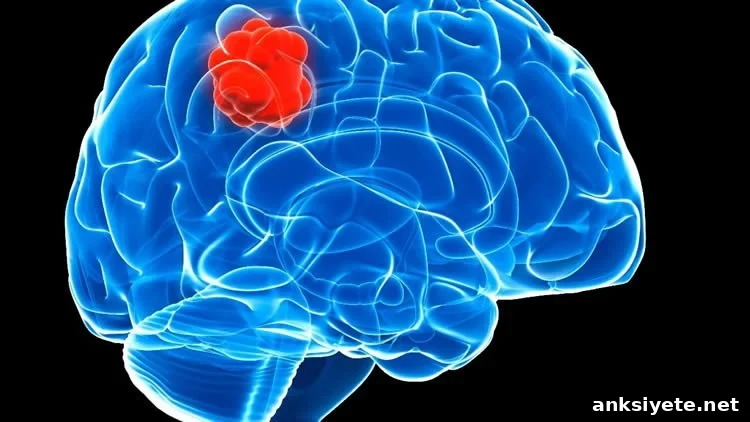
Functionally, nuclear ACSS2 supports two connected survival strategies. First, it promotes lysosomal biogenesis—expanding the cell’s waste-processing and recycling systems—to reclaim building blocks for proteins, lipids, and nucleotides. Second, ACSS2 enhances autophagy, a form of cellular self-digestion that funnels recycled material into metabolic pathways. Together these effects reprogram tumor metabolism so cells can reuse intracellular stores and survive when extracellular nutrients are limited.
Because histone acetylation controls gene expression, the study highlights how a metabolic enzyme can directly shape the epigenetic landscape in response to metabolic stress. The authors observed that phosphorylation of ACSS2 at S659 correlates with AMPK activity and with glioma grade in patient samples, supporting the clinical relevance of this pathway in brain tumor aggressiveness.
“These findings illuminate a critical link between metabolic reprogramming and gene regulation in cancer cells,” Lu added. “Targeting both ACSS2’s nuclear function and glycolysis—the metabolic pathway that converts glucose into energy—may represent a complementary strategy for cancer therapy.”
The MD Anderson team included Xinjian Li, Ph.D.; Xu Qian, Ph.D.; Yan Xia, Ph.D.; Yanhua Zheng, Ph.D.; Jong-Ho Lee, Ph.D.; and Ganesh Rao, M.D., among others in Neuro-Oncology and Neurosurgery. Collaborating institutions included Duke-NUS Medical School (Singapore), Wenzhou Medical University (China), Qingdao University Cancer Institute (China), and Sun Yat-sen University Cancer Center (China).
Funding: The work was supported by grants from the National Institutes of Health and other foundations and fellowships listed by the authors. Zhimin Lu holds the Ruby E. Rutherford Distinguished Professorship.
Source: Ron Gilmore, MD Anderson Cancer Center. Image adapted from the MD Anderson news release. Original research published in Molecular Cell: “Nucleus-Translocated ACSS2 Promotes Gene Transcription for Lysosomal Biogenesis and Autophagy” (Li et al., 2017).
Highlights
• AMPK phosphorylates ACSS2 at S659, enabling nuclear translocation.
• Nuclear ACSS2 associates with TFEB and binds lysosomal and autophagy gene promoters.
• ACSS2 generates acetyl-CoA locally in the nucleus to support H3 acetylation and gene expression.
• Nuclear ACSS2 promotes lysosomal biogenesis, autophagy, and contributes to brain tumorigenesis.
Abstract summary: The study demonstrates that glucose deprivation triggers AMPK-mediated phosphorylation of ACSS2, which uncovers a nuclear localization signal and allows ACSS2 to enter the nucleus. There, ACSS2 partners with TFEB at promoters of lysosomal and autophagy genes, locally producing acetyl-CoA from acetate to drive histone H3 acetylation and the transcriptional programs required for lysosomal biogenesis, autophagy, cell survival, and tumor growth. Correlations between ACSS2 S659 phosphorylation, AMPK activity, and glioma grade underscore the pathway’s relevance in malignancy.