New Drug Could Prevent Dementia After Repeated Head Injuries
featured 74674

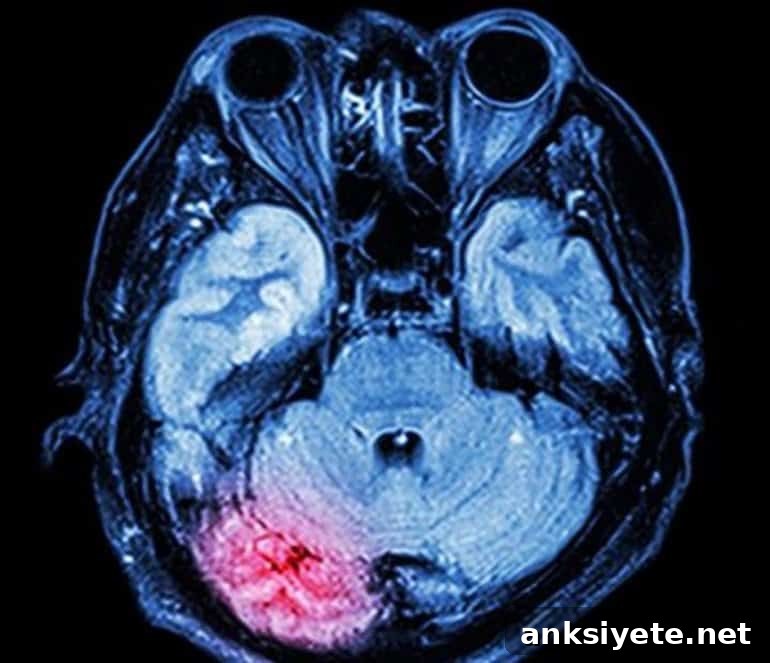
Summary: Blocking the neurotransmitter substance P after a head injury prevents the formation of tau protein tangles in the brain, offering a potential way to reduce the risk of chronic traumatic encephalopathy (CTE) and other dementias linked to repeated head trauma. Source: University of South Australia A world-first international study led by the University of … Read more

Sports Hits Linked to Early Brain Damage Years Before CTE

featured 112842

Summary: New research reveals that repeated head impacts from contact sports produce early and lasting changes in young and middle-aged athletes’ brains, appearing years before the classic marker of chronic traumatic encephalopathy (CTE) can be detected. The study identified substantial neuron loss, activation of immune cells (microglia), and altered blood vessel biology in athletes under … Read more

Finely Tuned Brain Network Updates May Underlie Intelligence

featured 33610

Summary: New research finds that better cognitive performance is linked to greater similarity between brain connectivity patterns during rest and during tasks. Source: SFN. A brain at rest differs from a brain engaged in a task. How large that difference is appears to be related to a person’s cognitive ability. New research published August 17 … Read more

Study Reveals Gender Gap in Academic Performance and Leadership

featured 70970

Summary: New research reveals persistent gender gaps in workplace leadership. The study finds men supervise more employees than women—even when women showed top academic promise—especially among parents. Source: UNC Charlotte New evidence on gender inequality shows that women—even those who demonstrate strong academic performance early in life—are less likely than men to reach supervisory roles … Read more

Invisible Clues That Help You Locate Lost Items

featured 65139

Summary: People searching for a missing item can locate it about 20% faster when they implicitly use nonvisual physical properties—such as hardness or softness—to guide their attention. Source: Johns Hopkins University Overview When you’re rushing to find something, it is common to think about color, size, and shape. New research from Johns Hopkins University shows … Read more

Depression: World’s Leading Cause of Disability and Ill Health

featured 39691

Summary: A recent WHO report estimates that over 300 million people worldwide live with depression, marking an 18% rise in diagnosed cases between 2005 and 2015. Source: WHO Depression is now the leading cause of ill health and disability globally. New figures from the World Health Organization (WHO) show that more than 300 million people … Read more

Syncing Nerve Stimulation to Your Heartbeat Improves Results

featured 107688

Summary: Synchronizing vagus nerve stimulation with the body’s natural rhythms—specifically the heartbeat and breathing—substantially improves therapeutic effectiveness. This non-invasive “electric pill” approach uses small ear-mounted electrodes to activate the auricular branch of the vagus nerve and may reduce chronic pain, inflammation, and other conditions by enhancing parasympathetic activity. Researchers report the strongest results when stimulation … Read more

What Your Eyes Reveal When You Wear a Face Mask

featured 67882

Summary: Researchers examine how the eyes play a central role in emotional expression, social bonding and even mate selection. Source: The Conversation These days you may leave the house wearing a face mask that covers your mouth, which can make verbal and nonverbal communication more difficult—especially for people who rely on lipreading. But the eyes … Read more

Real Time Brainwave Monitoring to Adjust Consciousness During Surgery

featured 108950

Summary: A randomized, controlled clinical trial in Japan found that using electroencephalography (EEG) to guide anesthesia in young children substantially reduced the amount of sevoflurane gas required while improving recovery after surgery. By monitoring brain-wave patterns to confirm unconsciousness, anesthesiologists maintained safe anesthesia with lower doses, producing faster wake-up times and fewer cases of post-anesthesia … Read more

How Is Maternal Immunity Passed to Newborns?

featured 57087

Summary: A new study identifies how vaccine-triggered antibodies from pregnant women cross the placenta to reach their newborns. The findings clarify which antibody features the placenta favors and offer guidance for designing maternal vaccines that better protect infants. Source: Mass General Background Vaccination is one of the most effective public health tools for preventing infectious … Read more