
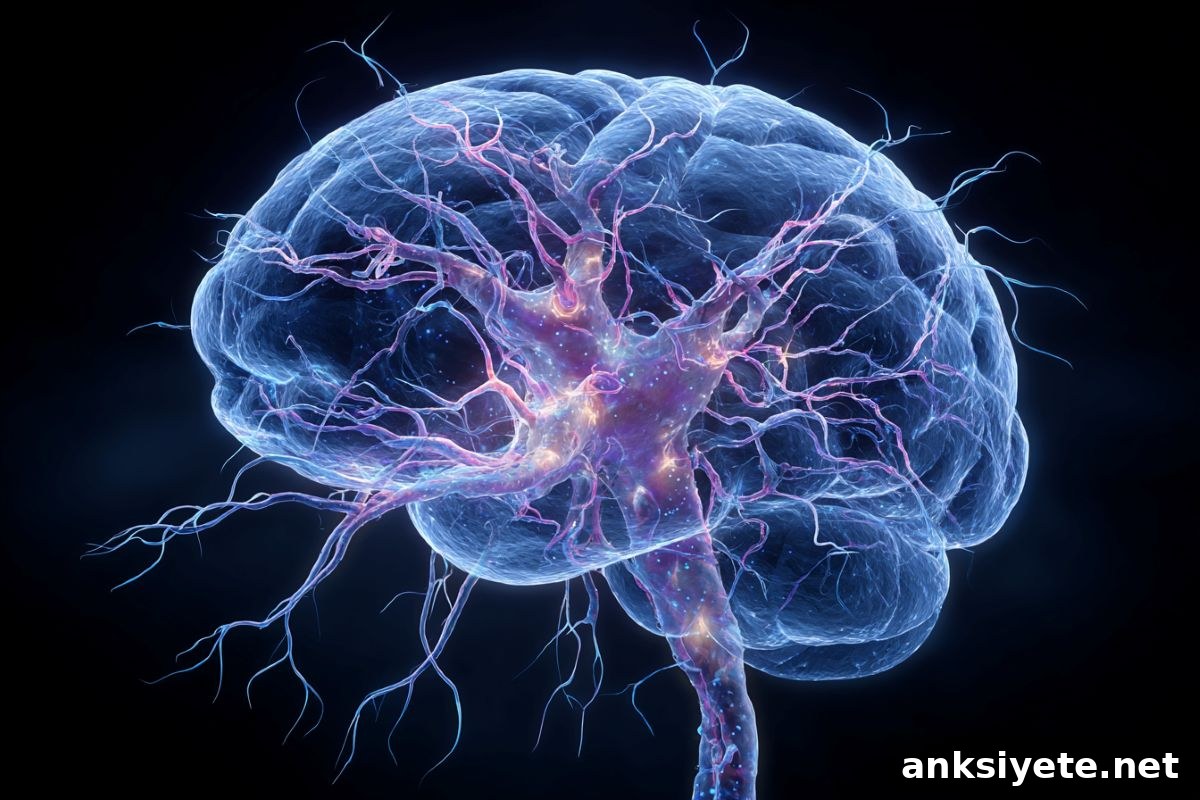
Summary: New research reveals that repeated head impacts from contact sports produce early and lasting changes in young and middle-aged athletes’ brains, appearing years before the classic marker of chronic traumatic encephalopathy (CTE) can be detected. The study identified substantial neuron loss, activation of immune cells (microglia), and altered blood vessel biology in athletes under 51, including individuals without detectable tau protein accumulation.
These cellular signatures correlated with the number of years athletes were exposed to repetitive head impacts. The results offer important leads for developing earlier diagnostics and interventions to protect athletes and reduce long-term dementia risk.
Key facts
- Neuron loss: Researchers observed up to 56% loss of a specific neuronal population in brain regions that receive frequent impacts, even before tau pathology appears.
- Immune activation: Microglial activation increased with more years of contact-sport exposure, indicating an ongoing inflammatory response.
- Vascular changes: Gene-expression shifts in blood-vessel cells suggest vascular remodeling, inflammation, and possible reduced oxygen delivery to nearby brain tissue.
Source: NIH
Overview
Research supported by the National Institutes of Health demonstrates that repetitive head impacts (RHIs) sustained in contact sports can trigger multicellular and molecular changes in the brain of young athletes long before established CTE markers are detectable. Because CTE is currently diagnosed only after death by identifying hyperphosphorylated tau (p-tau) around small blood vessels, understanding the earliest cellular events is critical to earlier detection and prevention.
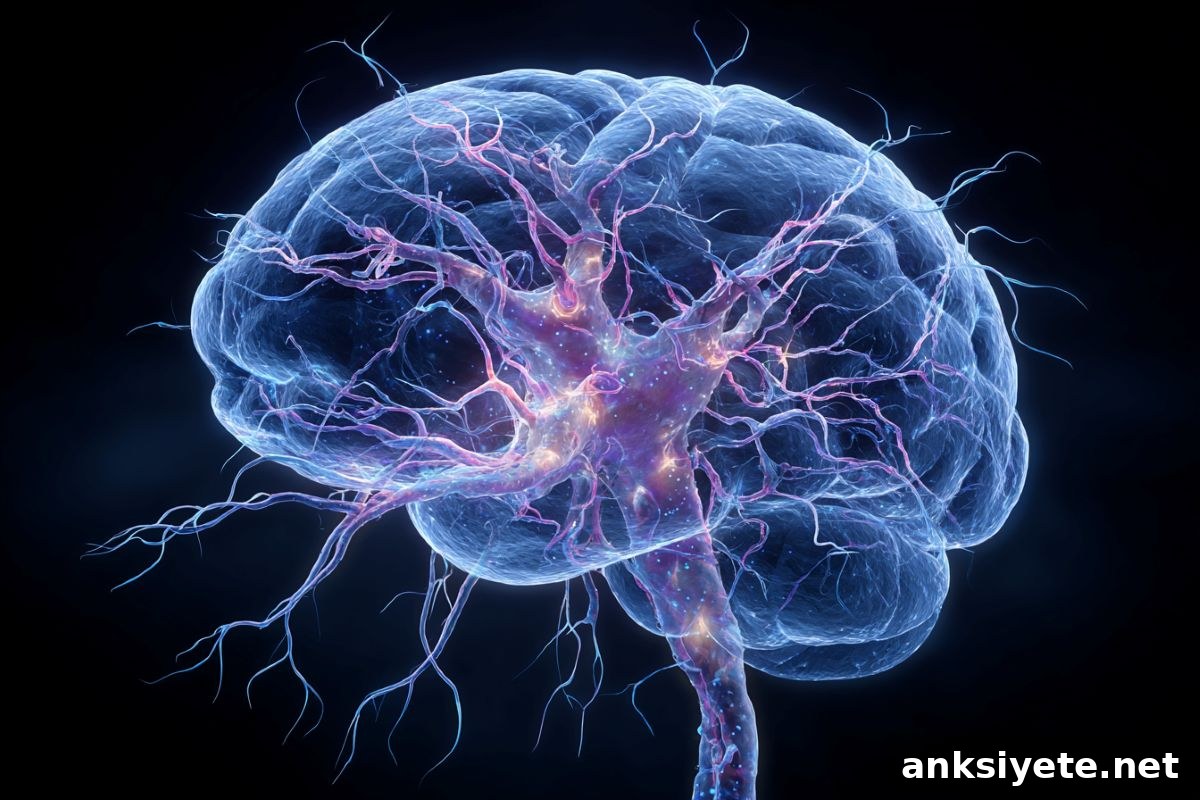
Scientists at the Boston University CTE Center, the U.S. Department of Veterans Affairs Boston Healthcare System, and partner institutions examined postmortem brain tissue from athletes under 51, most of whom played American football. Using advanced single-nucleus sequencing and cell-level imaging methods developed in part through The BRAIN Initiative®, the team mapped gene activity and cellular changes across multiple brain cell types.
They found a pronounced loss—up to 56%—of neurons in cortical layer 2/3 of the brain’s sulci, a region vulnerable to impact forces and one where tau commonly accumulates. Crucially, this neuron loss occurred even in individuals without p-tau, and the degree of loss correlated with years of RHI exposure. This suggests neuronal damage can precede, and potentially contribute to, later tau deposition.
The researchers also documented increased microglial activation proportional to RHI exposure, indicating a sustained inflammatory response. In parallel, vascular cells exhibited gene-expression patterns consistent with immune signaling, angiogenesis (growth of small blood vessels), and responses that could reflect local hypoxia. These vascular alterations may compromise the brain’s oxygen supply and contribute to downstream neurodegeneration.
Importantly, the study describes a novel communication pathway between activated microglia and endothelial (vessel) cells. The authors identify TGFβ1 as a candidate signaling molecule mediating this microglia–endothelial crosstalk, offering a plausible mechanism linking inflammation, vascular change, and later tau pathology.
By focusing on younger individuals, this work reframes the timeline of RHI-related brain injury: rather than appearing only as late-stage CTE in older adults, significant and location-specific cellular damage can be present early after repeated exposure. Recognizing these early cellular signatures opens opportunities to develop biomarkers and targeted therapies long before irreversible neurodegeneration occurs.
Implications
These findings provide robust evidence that multiple years of repetitive head impacts are sufficient to induce lasting cellular alterations that may set the stage for p-tau deposition and progressive CTE. Detecting neuron loss, microglial activation, and vascular dysfunction earlier could guide monitoring strategies for athletes and inform the design of interventions aimed at reducing long-term cognitive and neurodegenerative risk.
Funding: This research was supported by NINDS and NIA through grants F31NS132407, U19AG068753, RF1AG057902, R01AG062348, R01AG090553, U54NS115266, and P30AG072978.
About this TBI and CTE research news
Author: NIH Office of Communications
Source: NIH
Contact: NIH Office of Communications – NIH
Image: The image is credited to Neuroscience News
Original Research: Open access. “Repeated head trauma causes neuron loss and inflammation in young athletes” by Walter Koroshetz et al., published in Nature. The study used single-nucleus RNA sequencing of tissue from control individuals, those with RHI exposure, and individuals with early-stage CTE to identify inflammatory microglia, angiogenic endothelial changes, astrocytosis, altered synaptic gene expression, and significant layer 2/3 neuronal loss independent of p-tau.
Abstract
Repeated head trauma causes neuron loss and inflammation in young athletes
Repetitive head impacts (RHIs) from contact sports are the major risk factor for chronic traumatic encephalopathy (CTE). Because CTE is currently diagnosable only at autopsy, the triggers and earliest events that drive hyperphosphorylated tau (p-tau) deposition are not fully understood. Symptoms reported by young people often exceed what can be explained by p-tau alone, hindering therapeutic development.
This study reports a multicellular response that precedes detectable p-tau in young people with RHI exposure (under 51 years old), most of whom played American football. Using single-nucleus RNA sequencing across controls, RHI-exposed individuals, and those with low-stage CTE, investigators identified SPP1-expressing inflammatory microglia, angiogenic and inflamed endothelial cells, astrocyte activation, and synaptic gene alterations linked to RHI. A significant and location-specific loss of cortical layer 2/3 neurons was observed independent of p-tau pathology. The data implicate TGFβ1 signaling in microglia–endothelial communication and provide a cellular roadmap for early RHI effects that may inform future diagnostic and therapeutic strategies for CTE.