
Rehearsing new information immediately after you receive it can be enough to make that information a lasting memory, a study from the University of Sussex suggests.
Psychologists discovered that the same brain region that activates when we form a memory also becomes active when we deliberately rehearse that memory. The research, published on 27 October 2015 in the Journal of Neuroscience, highlights a simple and practical way to strengthen memory for real-life events.
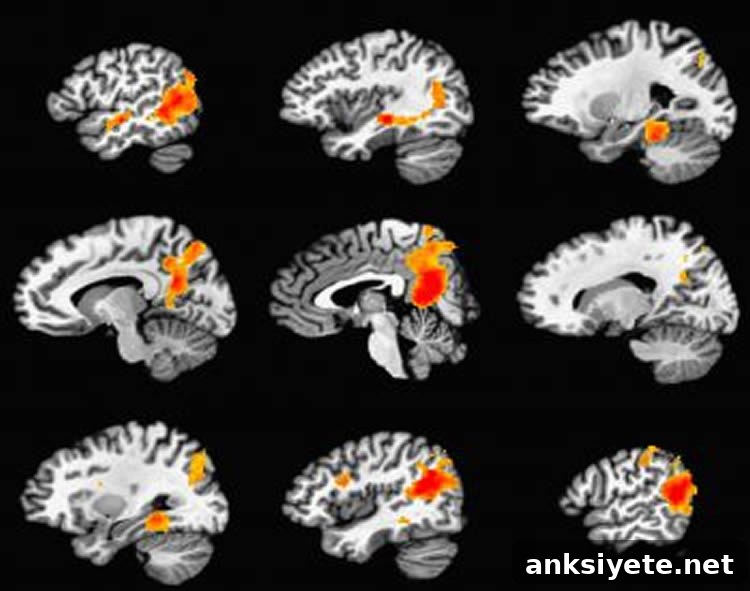
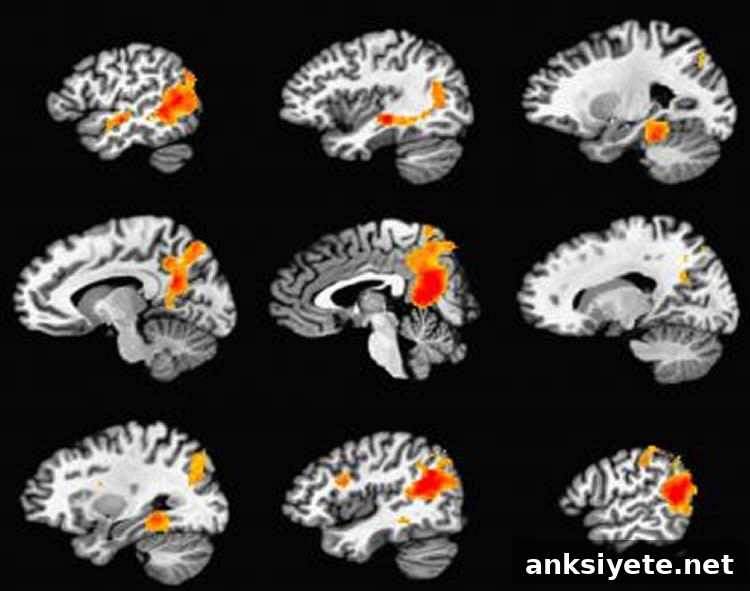
The investigators identified the posterior cingulate cortex as a critical hub in this process. This brain region is already known to be vulnerable in conditions such as Alzheimer’s disease, and the new findings indicate it helps both to recall the episodic details of an event and to integrate those details into our broader knowledge. That integration appears to make memories more resistant to forgetting.
The study used lifelike video clips to examine how people form and retain complex memories. Participants watched 26 short narrative videos, each roughly 40 seconds long, taken from online sources and selected for everyday, story-like content—one example featured two neighbours playing practical jokes on one another. After watching 20 of the videos, participants were given about 40 seconds to rehearse the content, either silently in their heads or by speaking aloud; six videos were followed by no rehearsal period.
Behavioral testing up to two weeks later showed a clear benefit for the rehearsed clips. Participants retained many more details for the videos they had rehearsed immediately after viewing, while the non-rehearsed videos were largely forgotten over the same interval. Functional MRI scans taken during the study revealed that activity in the posterior cingulate cortex was linked to this rehearsal advantage: the more closely the brain activity pattern during rehearsal matched the activity pattern during the initial viewing, the better the clip was remembered a week later.
Lead researcher Dr. Chris Bird explained that recent memories remain fragile until they undergo consolidation. “We show that a brief, focused period of rehearsal immediately after an event greatly improves our ability to remember complex, realistic episodes for one to two weeks,” he said. The team connected this rehearsal benefit specifically to processing in the posterior cingulate cortex.
These findings carry practical implications. In any situation where accurate recall is important—such as witnessing an accident or a crime—encouraging witnesses to rehearse the sequence of events as soon as possible afterwards should significantly improve memory accuracy for the incident. Because the same neural signature is engaged during initial encoding and subsequent rehearsal, this simple behavioral intervention may strengthen the memory trace during the early consolidation window.
The researchers note that this work also informs ongoing investigations into memory decline. Dr Bird’s group is conducting follow-up studies to explore how rehearsal and posterior cingulate activity relate to the memory problems seen in Alzheimer’s disease and other forms of cognitive impairment. Better understanding the neural mechanisms that stabilize memories could point toward interventions that preserve memory function.
Funding: The work was supported by the European Research Council, the Medical Research Council and the Wellcome Trust.
Source: Jacqui Bealing – University of Sussex
Image credit: The image is credited to the researchers / University of Sussex
Original research: The research paper “Consolidation of Complex Events via Reinstatement in Posterior Cingulate Cortex” by Chris M. Bird, James L. Keidel, Leslie P. Ing, Aidan J. Horner and Neil Burgess appeared in the Journal of Neuroscience.