
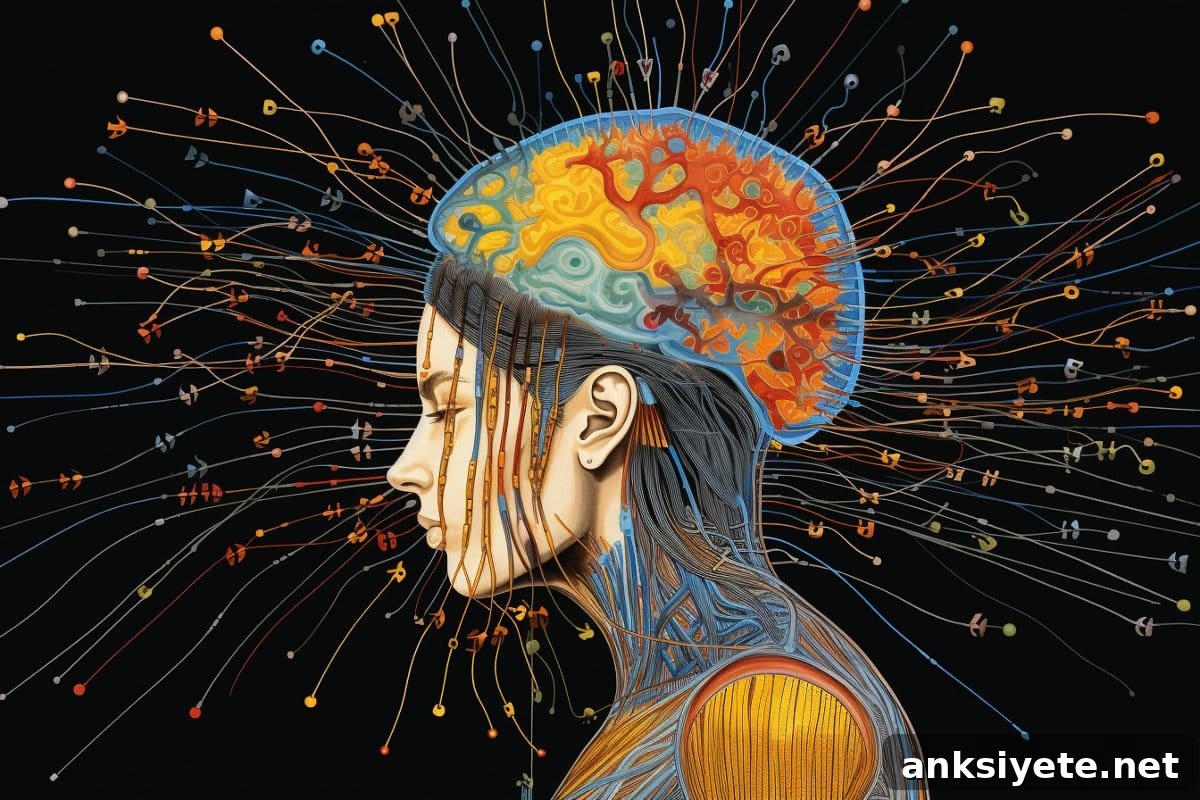
Summary: Researchers at the Salk Institute have mapped a brain circuit that appears to drive panic disorder, identifying a set of neurons that use the neuropeptide PACAP to transmit stress signals. This discovery points to PACAP and its receptor-bearing neurons as promising targets for new panic disorder therapies.
The study found that inhibiting PACAP signaling in this circuit reduces panic-like symptoms in a mouse model, suggesting a potential route for developing treatments tailored specifically to panic disorder rather than broadly targeting general anxiety systems like serotonin.
Key Facts:
- Panic disorder is marked by abrupt, intense panic attacks with physical symptoms such as shortness of breath, rapid heartbeat, sweating, and nausea.
- Researchers identified PACAP-expressing neurons in the lateral parabrachial nucleus (PBL) of the brainstem as integral to the panic circuit.
- Blocking PACAP signaling disrupted the circuit and reduced panic-related behavior in mice, indicating PACAP and its receptors may be druggable targets for panic disorder treatment.
Source: Salk Institute
Panic attacks bring overwhelming fear and sudden physical reactions—sweaty palms, shortness of breath, a racing heart—that can happen repeatedly and without warning in people with panic disorder.
To develop better therapies, scientists need a detailed map of the brain regions, neurons, and connections that produce these attacks. The new research from Salk begins to draw that map by identifying a specific brain circuit that mediates panic disorder. Central to this circuit are neurons that produce PACAP (pituitary adenylate cyclase-activating polypeptide), a neuropeptide known to regulate stress responses, and neurons that express PACAP receptors.
Published in Nature Neuroscience on January 4, 2024, the study shifts attention away from the amygdala—traditionally considered the brain’s fear center—and toward a small brainstem structure called the lateral parabrachial nucleus (PBL). The PBL sits in the pons and acts as an alarm center that helps regulate breathing, heart rate, and body temperature—functions that overlap with the physiological signs of a panic attack.
“We’ve been exploring different areas of the brain to understand where panic attacks start,” said senior author Sung Han, associate professor at Salk. The team found that PACAP-expressing neurons in the PBL become active during panic-like events, releasing PACAP into downstream regions. One key target is the dorsal raphe, where neurons that carry PACAP receptors respond to these signals and trigger both behavioral and physical aspects of panic.
Co-first author Sukjae Kang explained that previous work linked PACAP to stress and emotional behavior, but this study directly connects PACAP signaling in the PBL-dorsal raphe pathway to panic disorder. By using a mouse model that mimics panic attacks, researchers monitored neuron activity and observed that activating this PACAP circuit produced panic-like responses in the animals.
Crucially, the team demonstrated that disrupting PACAP signaling within this circuit reduced panic-associated signs in mice. That result supports the idea that PACAP and PACAP receptor-expressing neurons are viable targets for therapeutic development specifically aimed at panic disorder, rather than at broader anxiety mechanisms.
Han emphasized important distinctions between panic and anxiety: panic disorder produces abrupt, intense physical symptoms that are often uncontrollable and spontaneous, while many anxiety disorders—such as post-traumatic stress disorder—are more memory-based and triggered. These differences underscore the need for treatments developed from a panic-specific brain map rather than relying solely on medications that target generalized anxiety systems.
Interestingly, the researchers also found that anxiety-related activity and traumatic memory circuits can suppress PACAP-producing neurons in the PBL. “The mouse amygdala actually directly inhibits those neurons,” Han noted, suggesting a complex interaction between anxiety and panic systems. This interaction may help explain why people with anxiety disorders can have a higher tendency to develop panic attacks, and it opens an avenue for future research on how anxiety and panic circuits influence each other.
The team plans to expand their brain map by tracing where PACAP receptor-producing neurons in the dorsal raphe send their signals and by studying how other anxiety-related brain regions interact with the PACAP panic system. Other contributors to the study include co-first author Jong-Hyun Kim, Dong-Il Kim, and Benjamin Roberts of Salk.
Funding: This research was supported by the National Institutes of Mental Health (BRAINS grant 1R01MH116203) and the Simons Foundation (Bridge to Independence award SFARI #388708).
About this panic disorder and brain mapping research news
Author: Salk Comm
Source: Salk Institute
Contact: Salk Comm – Salk Institute
Image: The image is credited to Neuroscience News
Original Research: The findings appear in Nature Neuroscience.