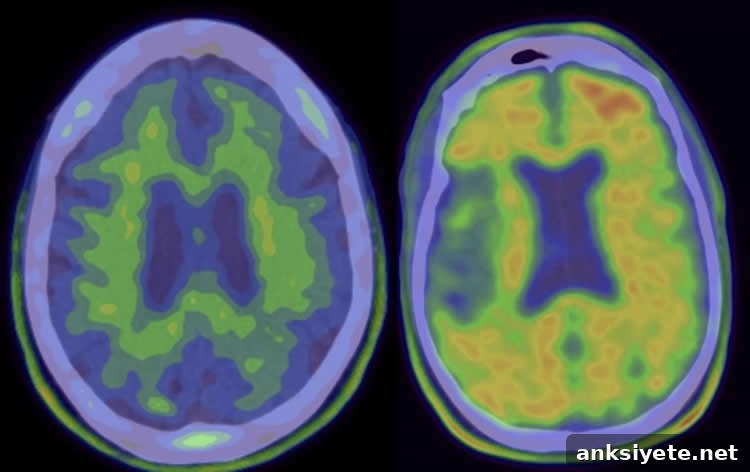
Inflammatory Blood Biomarkers in Long COVID
featured 101189

Summary: Researchers have advanced our understanding of long COVID by identifying distinct inflammatory signatures in the blood of people who were hospitalised with severe SARS-CoV-2 infection. In the largest UK study of its kind, involving more than 650 participants, investigators found persistent immune activation months after acute illness and identified patterns of inflammation that correlate … Read more

Nature vs Nurture: Innate Social Circuits in the Mouse Brain

featured 44288

Summary: Social experience, especially interactions with females, is crucial for forming distinct, sex-specific neural populations in the ventromedial hypothalamus (VMH) and for triggering aggression in male mice, a new Caltech study shows. Source: Caltech Adult male mice display a narrow set of innate social behaviors: they attempt to mate with females and tend to attack … Read more

Food or Flight: Molecular Mechanisms of Risk-Reward Decisions

featured 35991

Summary: New research reveals how neural circuits compute risk versus reward, showing that internal hunger state can reverse the direction of information flow in the nervous system to influence decision making. Hunger flips the neural switch on risk-taking The hungrier the animal, the more risk it will accept to obtain food. Researchers at Yale report … Read more

Light Therapy Improves Sleep and Mood in Alzheimer’s Patients

featured 98843

Summary: A new meta-analysis finds that light therapy substantially improves sleep and reduces psycho-behavioral symptoms in people with Alzheimer’s disease. This non-pharmacological approach—targeting the brain’s sleep-regulating center—showed meaningful benefits for sleep efficiency, circadian rhythm stability, mood, agitation and caregiver burden, suggesting a safe, promising option to improve quality of life for patients and families. Researchers … Read more

Could the BCG Vaccine Help Prevent Alzheimer’s?

featured 93870

Summary: A new study indicates that the Bacillus Calmette-Guérin (BCG) vaccine—commonly used against tuberculosis and routinely administered as an intravesical therapy for non–muscle-invasive bladder cancer—may be linked to a lower risk of Alzheimer’s disease and related dementias (ADRD). Researchers also observed a reduction in overall mortality among patients who received BCG treatment. Investigators tracked 6,467 … Read more

MRI Detects Microbleeds After TBI in Military Personnel

featured 23600

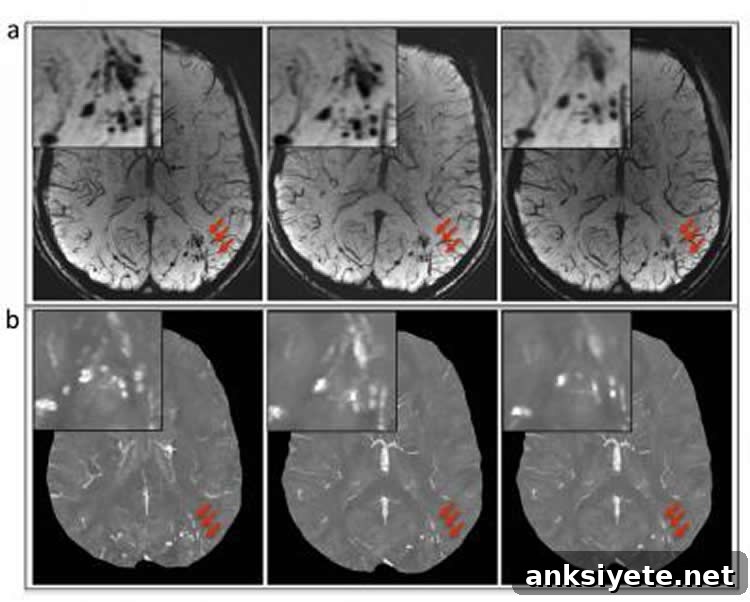
Imaging patients soon after traumatic brain injury (TBI) improves detection of cerebral microhemorrhages, a new study of military service members reports in Radiology. Cerebral microhemorrhages—tiny areas of bleeding in the brain—occur directly after TBI and can contribute to serious secondary problems such as swelling, ischemia, or stroke. Detecting and tracking these microbleeds early can offer … Read more

How the Brain Repairs Itself After Injury

featured 37466

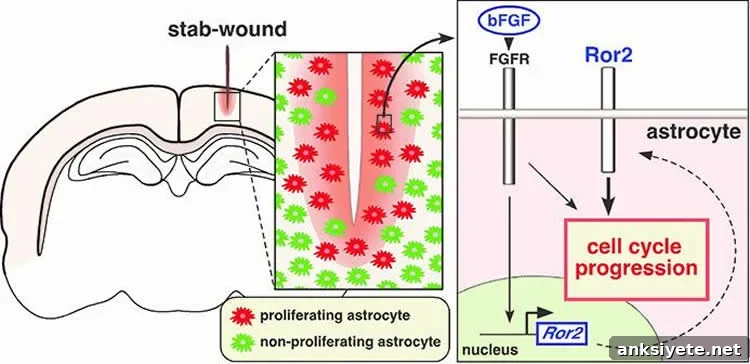
Summary: Findings could lead to new treatments to help regeneration following trauma. Source: Kobe University. A research team led by Associate Professor Mitsuharu Endo and Professor Yasuhiro Minami has identified a key mechanism by which astrocytes drive the restoration of brain tissue after injury. These results point toward therapeutic strategies that could limit neuronal damage … Read more

Neuronal Regrowth in Mice With Spinal Cord and Optic Nerve Injury

featured 64818

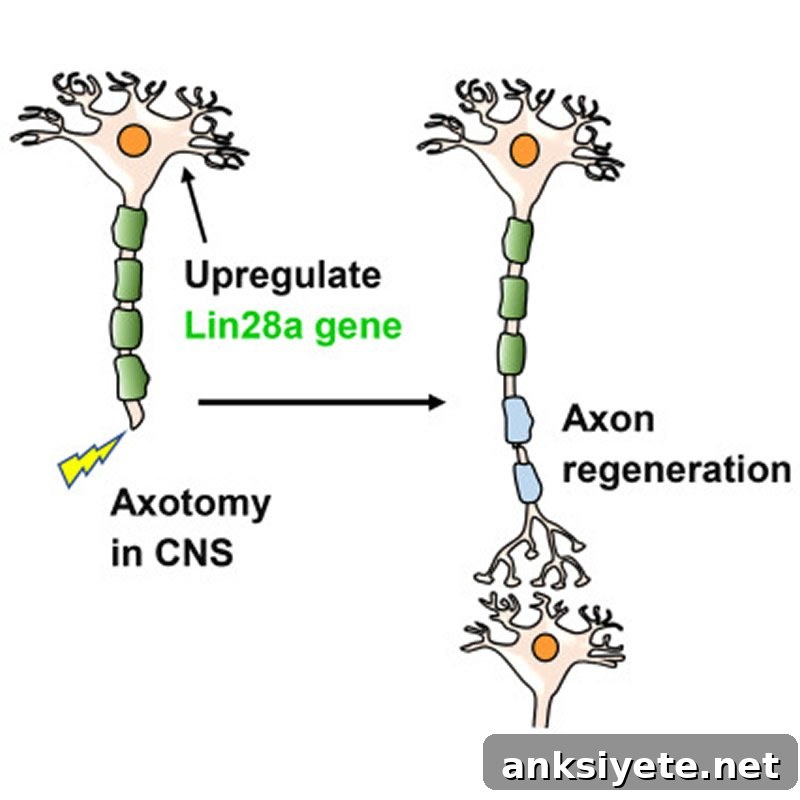
Summary: LIN28, a regulator of cell growth, shows promise for treating spinal cord and optic nerve injuries. When increased above normal levels, LIN28 stimulates axon regrowth in mice, helping restore neural connections that carry sensory and motor signals. Source: Temple University Health System Like power lines in an electrical grid, long, wire-like projections that extend … Read more

Alzheimer’s Drug Fails to Help in Major Clinical Trial

featured 46337

Summary: Researchers report that solanezumab, a drug developed to target amyloid plaques in people with Alzheimer’s disease, did not produce a statistically significant slowing of cognitive decline in a large phase 3 trial. Source: Columbia University Medical Center Key finding: A paper published in the New England Journal of Medicine reports that solanezumab — a … Read more

Study Finds Biological Impact on Holocaust Survivors’ Brains

featured 57640

Summary: Neuroimaging shows Holocaust survivors have reduced gray matter in brain regions linked to emotional processing, memory, and social cognition. Early findings also show related neuroanatomical differences in children of survivors, suggesting potential intergenerational or epigenetic effects. Source: Spink Health Stress experienced by Holocaust survivors is associated with lasting alterations in brain structure and may … Read more