
Summary: Neuroimaging shows Holocaust survivors have reduced gray matter in brain regions linked to emotional processing, memory, and social cognition. Early findings also show related neuroanatomical differences in children of survivors, suggesting potential intergenerational or epigenetic effects.
Source: Spink Health
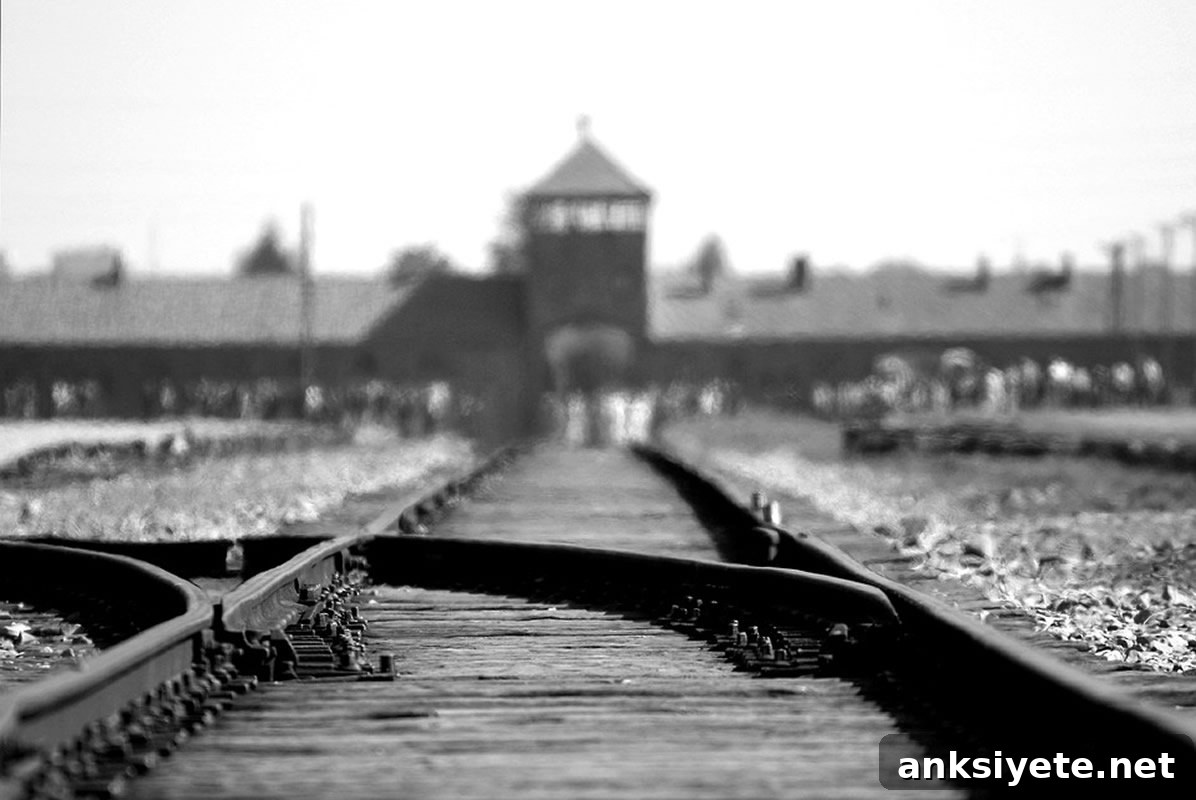
Stress experienced by Holocaust survivors is associated with lasting alterations in brain structure and may also affect subsequent generations, new research presented at a major neurology meeting indicates.
Researchers presented fresh MRI-based evidence at the 5th European Academy of Neurology Congress showing that surviving the Holocaust produced long-term psychological and biological consequences. The study identified reduced grey matter volume in brain regions involved in the stress response, memory, motivation, emotion, learning, and social behaviour.
Using high-resolution magnetic resonance imaging, the team examined brain anatomy in 56 older adults (average age 79–80). The cohort included 28 individuals who survived the Holocaust and 28 control participants with no personal or family history of the Holocaust. Compared with age-matched controls, survivors demonstrated significantly lower grey matter volume in multiple brain structures implicated in emotional processing and cognitive function.
The investigators further divided survivors by age at the end of World War II, separating those who were younger than 12 years in 1945 from those older than 12. The reduction in grey matter was significantly more pronounced among those who were children during the war, a finding that aligns with the concept that the developing brain is especially vulnerable to extreme stress. These observations are consistent with prior research linking early-life trauma to structural brain changes, including studies of combat-related PTSD and other early-stress exposures.
Notably, the pattern of grey matter reduction observed in Holocaust survivors extended beyond areas typically reported in PTSD research. Despite having experienced severe and prolonged threat, many survivors also reported high levels of post-traumatic growth and later life satisfaction in personal and professional domains. This complex picture highlights both the lasting biological imprint of traumatic exposure and the resilience that some survivors demonstrate.
Early results from the ongoing extension of this research suggest that differences are not limited to survivors themselves. Preliminary imaging data from adult children of survivors indicate altered connectivity between brain regions that process emotion and memory, raising the possibility of intergenerational transmission of trauma-related changes. The research team is continuing work to identify biomarkers linked to stress resilience and post-traumatic growth, and to determine whether transmission to offspring is mediated primarily by behavioural and psychological pathways or whether biological mechanisms, including epigenetic processes, also play a role.
Commenting on the findings, Professor Ivan Rektor, a neurologist based in Brno, Czech Republic, said, “After more than 70 years, the impact of surviving the Holocaust on brain function remains substantial. We found clear differences in brain structures involved in emotion, memory and social cognition, along with evidence of both elevated stress markers and notable post-traumatic growth among survivors. Early data suggest similar patterns may appear in children of survivors as well.”
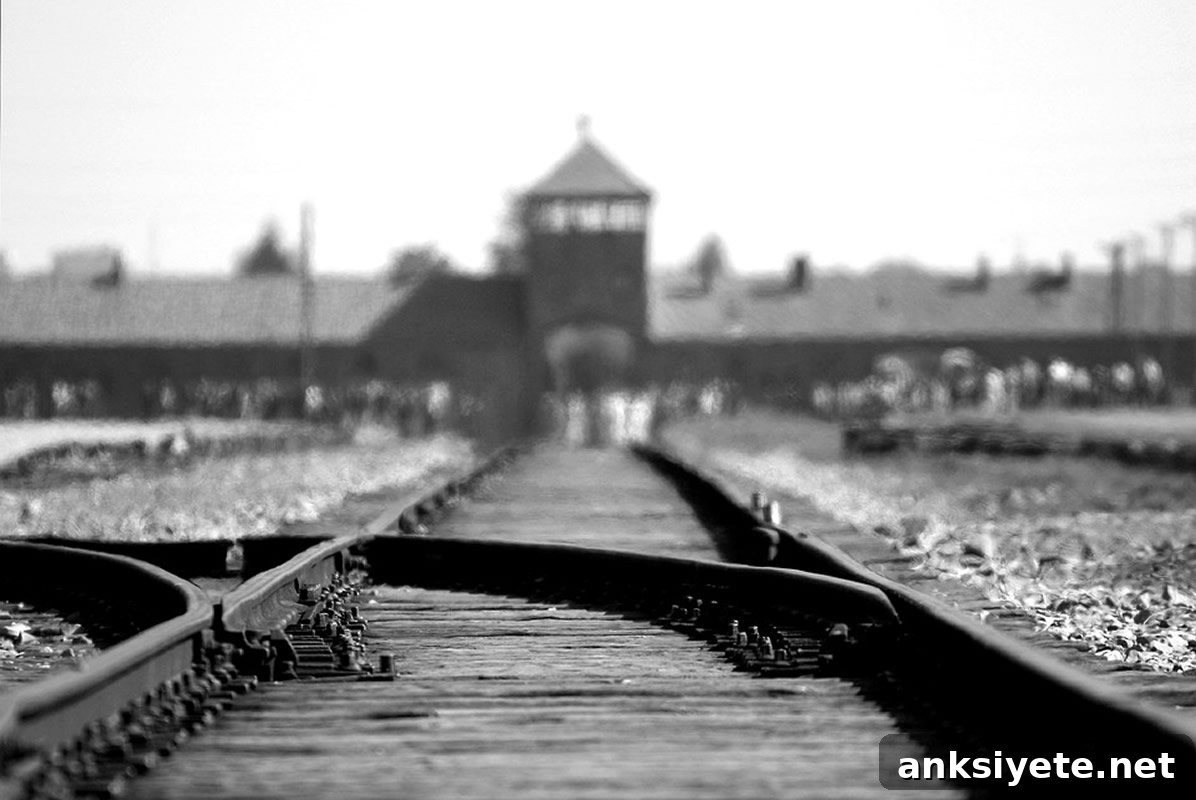
Professor Rektor added, “Our hope is that this research will deepen understanding of how extreme trauma shapes the brain over a lifetime and across generations. By identifying structural and connectivity changes tied to both vulnerability and resilience, we aim to inform therapies that support survivors and their descendants. We also hope to learn which coping strategies contributed to long-term recovery and how those strategies may have been transmitted within families.”
Source:
Spink Health
Media Contacts:
Luke Paskins – Spink Health
Image Source:
The image is in the public domain.
Original Research: These findings were presented at the 5th European Academy of Neurology Congress in Oslo, Norway.
For further information about the history and remembrance of the Holocaust, consider resources provided by recognised memorial and educational organisations focused on Holocaust education and genocide awareness.