
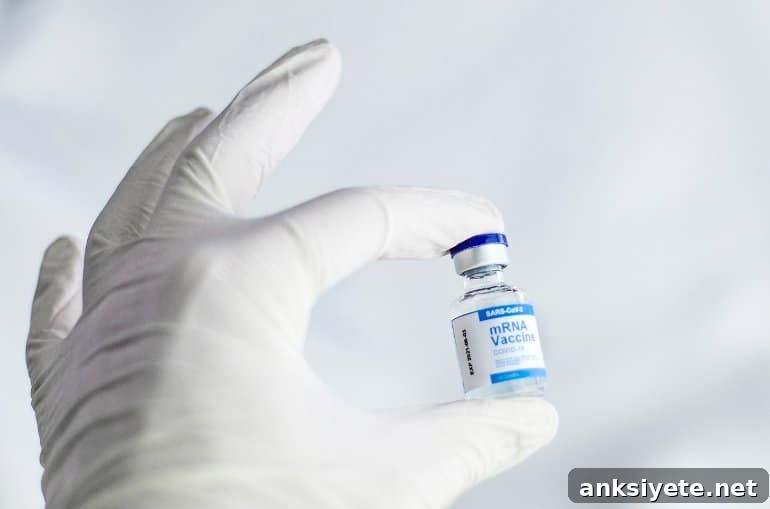
Summary: Researchers at CNB-CSIC have developed a COVID-19 vaccine candidate that appears to prevent SARS-CoV-2 from infecting the brain and blocks the neurological damage associated with the virus in a susceptible mouse model.
Source: University of Seville
While COVID-19 primarily affects the respiratory system, a significant number of patients experience neurological symptoms, including loss of smell (anosmia), headaches, fatigue, cognitive impairment, seizures, loss of coordination (ataxia) and encephalopathy.
The extent to which SARS-CoV-2 infects the central nervous system and whether current vaccines protect the brain from viral spread and injury has not been fully defined.
A multidisciplinary team of Spanish scientists led by Dr. Javier Villadiego and Dr. Juan José Toledo-Aral (IBiS, CIBERNED and Department of Medical Physiology and Biophysics, Faculty of Medicine of Seville) together with Juan García-Arriaza (Department of Molecular and Cellular Biology, CNB-CSIC; CIBERINFEC; PTI Global Health of CSIC), and collaborators from the University of Seville and the Spanish National Research Council (CSIC), used a SARS-CoV-2–susceptible transgenic mouse model to characterize brain infection and to test the protective effect of a CNB-CSIC vaccine candidate.
Published in Nature Neuroscience, their study maps how SARS-CoV-2 spreads and replicates across different brain regions and shows that the virus replicates predominantly in neurons. Viral replication in the brain produced clear neuropathological changes, such as neuron loss, activation of glial cells, and vascular injury.
“We conducted a detailed anatomical, pathological and molecular analysis to identify which brain regions and cell types are infected. It is striking that the virus targets multiple areas and primarily infects neurons,” explains Javier Villadiego.
After establishing the infection pattern, the team evaluated the MVA-CoV2-S vaccine developed at CNB-CSIC. This vaccine uses a modified vaccinia virus Ankara (MVA) vector to express the SARS-CoV-2 spike (S) protein. Mice received either one or two doses of the vaccine and were then assessed for protection against brain infection and associated damage.
According to Juan García-Arriaza, “The results were remarkable: a single dose of MVA-CoV2-S completely prevented SARS-CoV-2 infection in every brain region examined and blocked the neuropathological consequences, even following a subsequent reinfection. These findings indicate the vaccine elicits sterilizing immunity in the brain.”
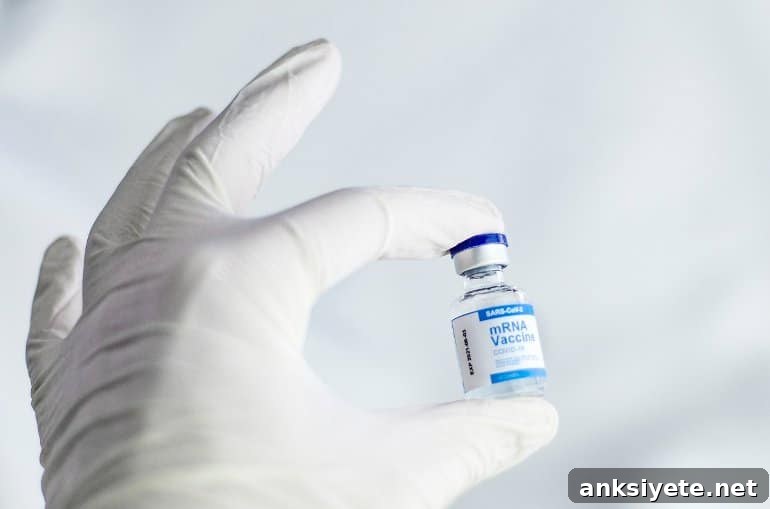
These data reinforce earlier evidence on the immunogenicity and protective efficacy of MVA-CoV2-S across animal models.
Mariano Esteban of CNB-CSIC, a co-author of the study, notes that previous work showed MVA-CoV2-S generates a strong immune response in mice, hamsters and macaques, including antibodies that bind the spike protein and neutralize multiple variants of concern, together with activation of T lymphocytes—key markers for controlling infection.
The study’s findings have important implications for understanding SARS-CoV-2 neuropathology. “Our observations of brain infection and the resulting pathology in mice align with the neurological complications reported in some COVID-19 patients,” says José López-Barneo of IBiS.
“This is the first vaccine study showing complete protection against SARS-CoV-2–induced brain damage in a susceptible mouse model, and the results suggest the vaccine could help prevent persistent neurological symptoms observed in some people after infection,” adds Juan José Toledo-Aral.
The authors emphasize that the complete inhibition of viral replication in the brain shown here, together with prior demonstrations of broad immunogenicity and efficacy against variants, support advancing MVA-CoV2-S—or similar vaccine prototypes—into early-phase clinical testing to evaluate safety and immune responses in humans.
About this COVID-19 research news
Author: Press Office
Source: University of Seville
Contact: Press Office – University of Seville
Image: The image is in the public domain
Original Research: Open access. “Full protection from SARS-CoV-2 brain infection and damage in susceptible transgenic mice conferred by MVA-CoV2-S vaccine candidate” by Javier Villadiego et al., published in Nature Neuroscience.
Abstract
Full protection from SARS-CoV-2 brain infection and damage in susceptible transgenic mice conferred by MVA-CoV2-S vaccine candidate
Although vaccines against SARS-CoV-2 are proven to reduce disease severity and transmission, their ability to prevent viral infection within the brain remained uncertain. Using the K18-hACE2 transgenic mouse model, which is susceptible to severe COVID-19, this study provides a spatiotemporal map of SARS-CoV-2 infection and replication throughout the brain.
The investigators found that SARS-CoV-2 replicates primarily in neurons, causing neuronal loss, glial activation and vascular abnormalities in infected mice. Administration of one or two doses of the MVA vector expressing the SARS-CoV-2 spike protein (MVA-CoV2-S) conferred complete protection against cerebral infection, eliminating detectable virus replication in all examined brain regions and preventing the associated pathology. This protection persisted even after experimental reinfection.
Collectively, these results support the potential of MVA-CoV2-S as a promising vaccine candidate to prevent SARS-CoV-2 brain infection and its neurological consequences.