Morning People Show Higher Verbal Intelligence

featured 87757

Summary: New research finds that, after accounting for factors like bedtime and age, people who prefer mornings tend to show stronger verbal abilities than night owls, challenging earlier reports. Source: University of Ottawa Night owls may welcome the return to standard time this autumn, but a recent study from the University of Ottawa suggests that … Read more


Alcohol Lowers Decision-Making Brain Waves, Not Motor Control

featured 47291

Summary: Researchers report that moderate alcohol intake diminishes brain waves linked to decision-making (theta oscillations) while leaving motor-related brain activity (beta oscillations) relatively intact. Source: San Diego State University. Alcohol is well known to impair judgment, alertness, and attention-dependent performance, yet the precise neural mechanisms behind these effects remain under study. A new experiment led … Read more

New Mitochondrial Proteins Drive Brain Function and Variability

featured 6358

This gene family consists of six related genes that influence mitochondrial movement and positioning in neurons and may be involved in neurological disorders such as Parkinson’s disease and Charcot–Marie–Tooth disease. Researchers led by Eduardo Soriano at the Institute for Research in Biomedicine (IRB Barcelona) report the discovery of a previously undescribed family of six genes … Read more

Mapping Brain Activity with Sculpted Light

featured 11224

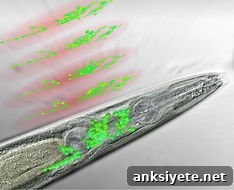
Researchers in Vienna develop a new imaging technique to study entire nervous systems Scientists at the Campus Vienna Biocenter in Austria have developed a novel light-based imaging method that overcomes several longstanding limitations of conventional light microscopy. Using this approach, the team can record activity across large portions of a small animal brain with both … Read more

Novel Test Predicts Brain Tumor Aggressiveness

featured 27385

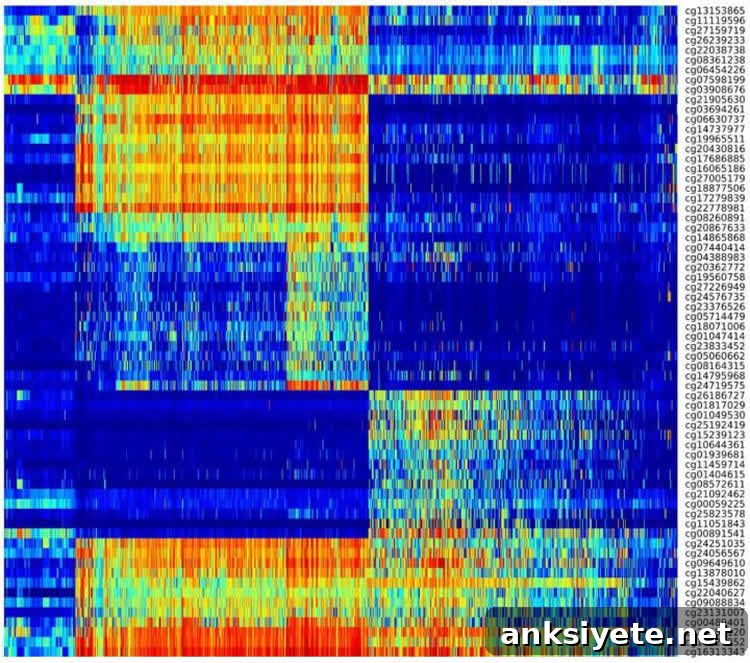
Looking at a brain tumor’s epigenetic signature may help guide therapy. A large, multinational analysis of the molecular features of gliomas—the most common malignant brain tumor—shows how epigenetic patterns can clarify why some patients with apparently slow-growing tumors decline rapidly while others with aggressive tumors survive far longer. The research proposes a refined glioma classification … Read more

New Study Reveals How Brain’s Sensory Circuits Work

featured 45647

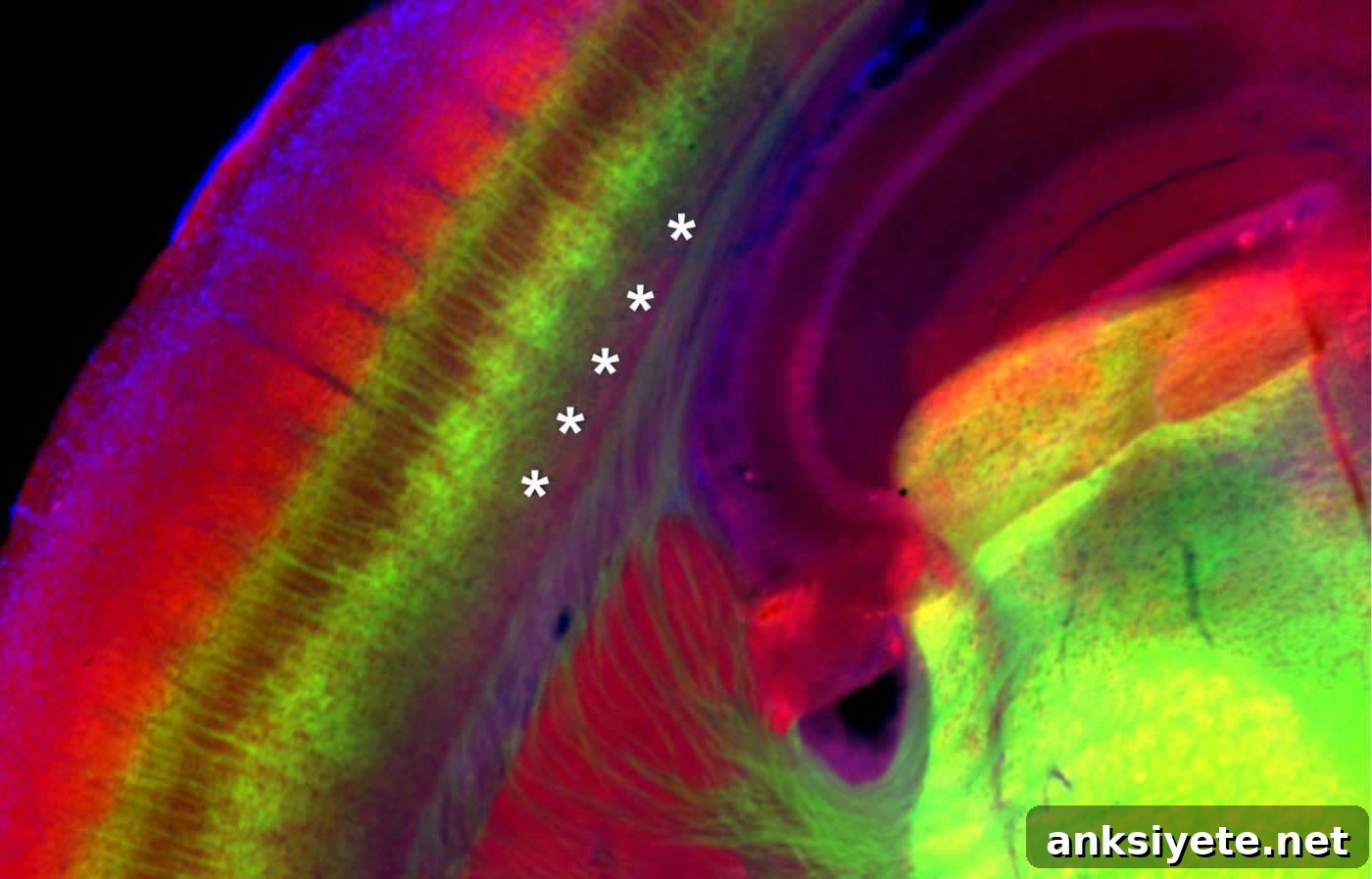
Summary: Researchers have identified a previously unrecognized set of barrel-like structures located two cortical layers deeper than the well-known whisker barrels. Source: Brown University. For nearly five decades, neuroscientists have relied on the mouse whisker-barrel system as an exemplary model for how sensory information is mapped and processed by the mammalian brain. A new study … Read more

New Brain Mechanisms for Fear Reveal Target for Anxiety Drugs

featured 80982

Summary: Researchers have discovered a brain pathway that controls the freezing response linked to fear and anxiety. This finding points to a potential new drug target for anxiety-related disorders. Source: University of Bristol Neuroscientists have identified a specific cerebellar pathway that helps trigger fear and anxiety behaviors, including the characteristic “freezing” response. A team at … Read more

Cannabinoids May Reduce Alzheimer’s Proteins in Brain Cells

featured 32666

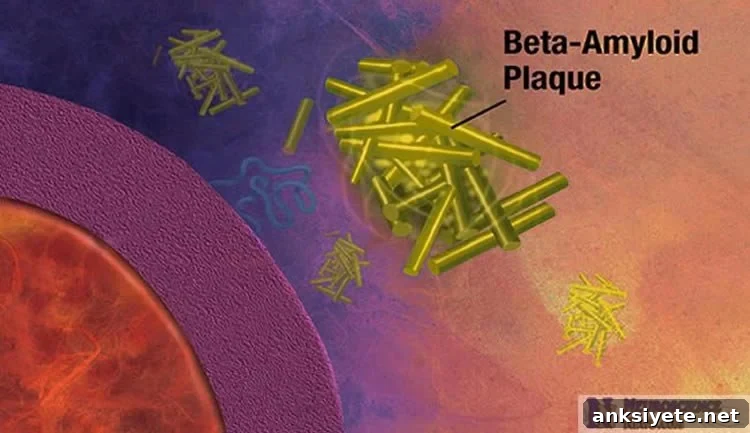
Summary: Laboratory research from the Salk Institute reports that THC and related cannabinoids can reduce intracellular amyloid beta in human neurons and block an associated inflammatory response. Source: Salk Institute. THC and Cannabinoids Reduce Amyloid Beta and Inflammation in Human Neurons Researchers at the Salk Institute report preliminary laboratory evidence that tetrahydrocannabinol (THC) and similar … Read more

Does Social Isolation Increase Dementia Risk in Older Adults?

featured 89535

Summary: Older adults who are socially isolated face a substantially higher risk—about 28% greater—of developing dementia over nine years compared with peers who maintain regular social contact. Source: Wiley New findings published in the Journal of the American Geriatrics Society show that social isolation is common among older adults in the United States and is … Read more

Study Reveals Genetic Link Between Autism and Heart Disease

featured 111163

Summary: New research shows that autism spectrum disorder (ASD) and congenital heart disease (CHD) may share a common biological mechanism: tiny cellular structures called cilia. Mutations in genes that disrupt cilia formation were found to interfere with both brain and heart development, helping to explain why ASD and CHD often co-occur. The research team identified … Read more