
Summary: Laboratory research from the Salk Institute reports that THC and related cannabinoids can reduce intracellular amyloid beta in human neurons and block an associated inflammatory response.
Source: Salk Institute.
THC and Cannabinoids Reduce Amyloid Beta and Inflammation in Human Neurons
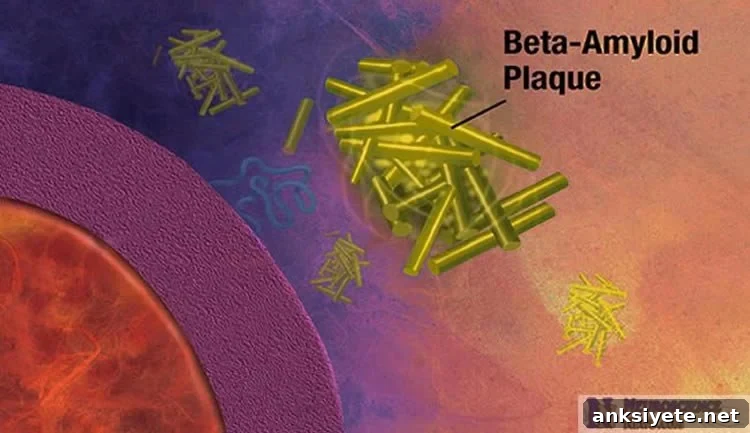
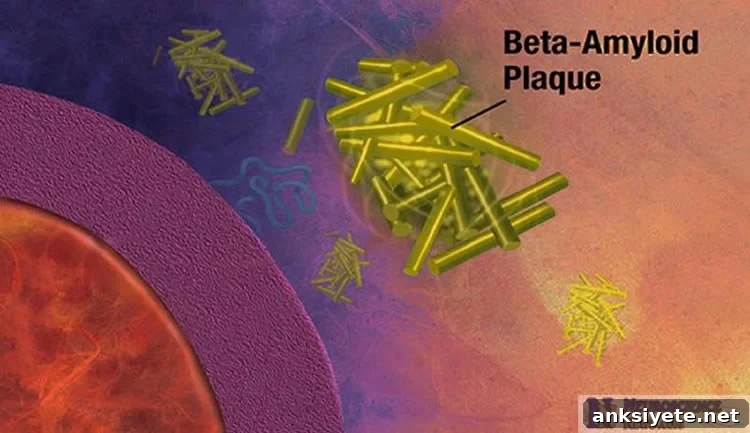
Researchers at the Salk Institute report preliminary laboratory evidence that tetrahydrocannabinol (THC) and similar cannabinoid compounds promote the removal of amyloid beta, a toxic protein linked to Alzheimer’s disease, from human nerve cells. These exploratory experiments were carried out in cultured neurons and offer potential insight into how inflammation within neurons contributes to Alzheimer’s pathology and how cannabinoid signaling may counteract that process.
In the study, nerve cells were engineered to produce elevated levels of amyloid beta, simulating aspects of Alzheimer’s-related proteotoxic stress. The investigators observed that high intracellular amyloid beta triggered a pro‑inflammatory response inside the neurons and increased neuronal death. When the cells were treated with THC or related cannabinoids, intracellular amyloid beta levels dropped and the pro‑inflammatory signaling was suppressed, improving cell survival.
“Previous work suggested cannabinoids could protect brain function in Alzheimer’s models, but our study is among the first to show that cannabinoids can reduce both amyloid beta accumulation and inflammation directly within neurons,” says Salk Professor David Schubert, senior author of the study. The work highlights a neuron-intrinsic inflammatory cascade initiated by amyloid beta accumulation, rather than inflammation solely driven by brain immune cells.
The team found that intracellular amyloid beta activated multiple pro‑inflammatory genes and altered lipid signaling pathways, including increases in arachidonic acid and several eicosanoids. Some of those lipid mediators can be neuroprotective, while others, such as certain leukotrienes, can amplify neuronal death. Activation of cannabinoid receptors by THC-like molecules stimulated pathways that remove intraneuronal amyloid beta, blunted the inflammatory program, and offered protection to the cells.
Brain cells express receptors that respond to endocannabinoids—lipid signaling molecules produced naturally in the nervous system. THC acts on many of the same receptors as endocannabinoids, which helps explain why cannabinoids can alter cellular signaling tied to inflammation and protein clearance. The study also notes the link between exercise and increased endocannabinoid production, a mechanism that may partly account for findings in other work that physical activity can slow Alzheimer’s progression.
Schubert cautions that these results come from controlled laboratory models and do not establish that recreational cannabis or THC is an effective treatment for Alzheimer’s disease. Any therapeutic application of THC‑like compounds would require rigorous clinical testing to assess safety, dosing, efficacy, and long‑term effects in people.
Related findings and drug candidates
In related experiments, the Salk laboratory identified a drug candidate named J147 that also promotes removal of amyloid beta from neurons and reduces inflammatory signaling in both cells and animal brain tissue. The studies of J147 helped reveal that endocannabinoid signaling participates in the cellular removal of amyloid beta and in dampening inflammation.
Authors on the published paper include Antonio Currais (first author), Oswald Quehenberger and Aaron M. Armando at the University of California, San Diego, and Pamela Maher, Daniel Daugherty, and David Schubert at the Salk Institute.
Funding: The work was supported by the National Institutes of Health, The Burns Foundation, and The Bundy Foundation.
Source: Salk Institute. Original research: Currais A., Quehenberger O., Armando A. M., Daugherty D., Maher P., Schubert D. “Amyloid proteotoxicity initiates an inflammatory response blocked by cannabinoids,” Aging and Mechanisms of Disease. Published online June 23, 2016. doi:10.1038/npjamd.2016.12
Abstract (author summary)
The beta amyloid (Aβ) and other aggregating proteins increase with age and are often found inside neurons. Using a model that induces expression of Aβ in a human central nervous system nerve cell line, the authors characterize a form of cell death caused by intracellular Aβ. Intraneuronal Aβ initiates a toxic inflammatory response that leads to cell death, inducing multiple proinflammatory genes and increasing arachidonic acid and eicosanoids. Cannabinoids, including THC, stimulate removal of intraneuronal Aβ, block the inflammatory response, and are protective. These data indicate that intracellular Aβ causes a complex inflammatory response within neurons that can be interrupted by activation of cannabinoid receptors.